
The Expensive Mistake Hiding in Plain Sight
You book the venue. Hire the AV team. Approve the production budget. Then on event day, the technology does exactly what it's supposed to—displays content clearly, runs smoothly, causes zero problems. Everyone congratulates themselves on flawless execution.
But here's the question nobody asks afterward: did anyone care?
Flawless execution of forgettable technology is still forgettable. The mistake isn't technical failure. It's strategic misalignment. Brands invest in event technology that serves logistics (get information on screen, check) without serving the actual goal (make people feel something, remember this, tell others about it).
Interactive projection mapping fixes this by making technology disappear into experience. The audience isn't impressed by your projectors. They're transported by what those projectors enable.
Why "Good Enough" Event Tech Kills Impact
Standard event technology—LED walls, confidence monitors, presentation screens—works reliably because it's designed for predictability. No surprises. No risks. No breakdowns.
Also: no magic.
Here's what happens at most corporate events:
- Attendees arrive expecting presentations (and they get presentations)
- Speakers stand in front of screens (exactly like the last five events)
- Content displays clearly (and gets absorbed at the same rate people absorb any content)
- The event ends on time (everyone leaves, forgetting details within hours)
You haven't failed. But you haven't won either. And in competitive markets where attention is currency, not winning is losing.
The Oral-B Challenge: Making Oral Care Exciting
Few product categories face a tougher storytelling challenge than dental hygiene. Toothbrushes are essential, not aspirational. Purchase decisions lean heavily functional. Consumer excitement peaks somewhere between mild interest and complete apathy.
So when Oral-B needed to launch new technology, they faced the same question every brand in a practical category faces: how do we make people care about incremental innovation?
Standard product launch approach would involve:
- Clean booth design highlighting the product
- Videos explaining new features
- Product samples and promotional materials
- Maybe some influencer appearances
All fine. All forgettable. None of it solving the fundamental problem: getting audiences emotionally invested in toothbrush technology.
The Anamorphic Solution That Changed the Conversation
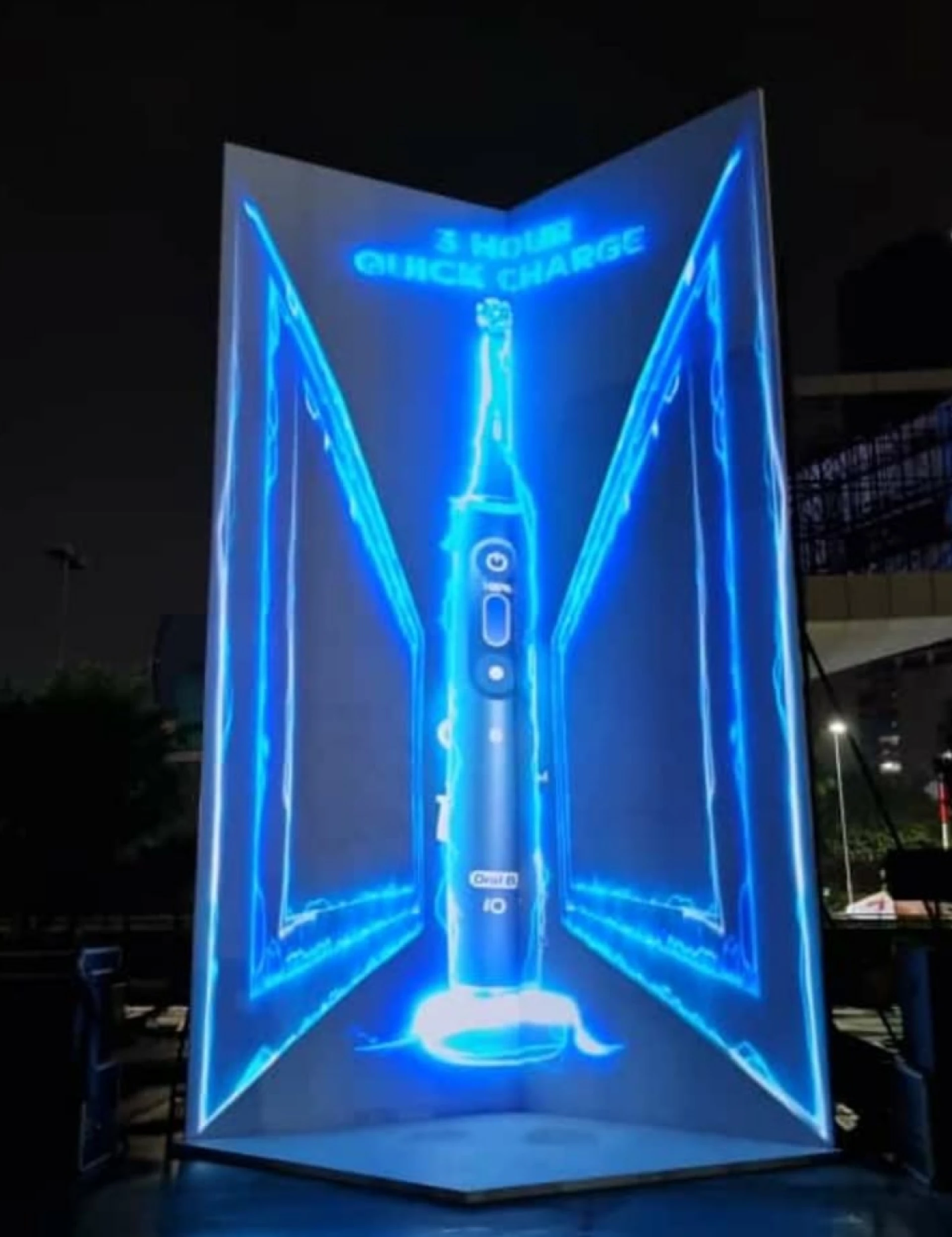
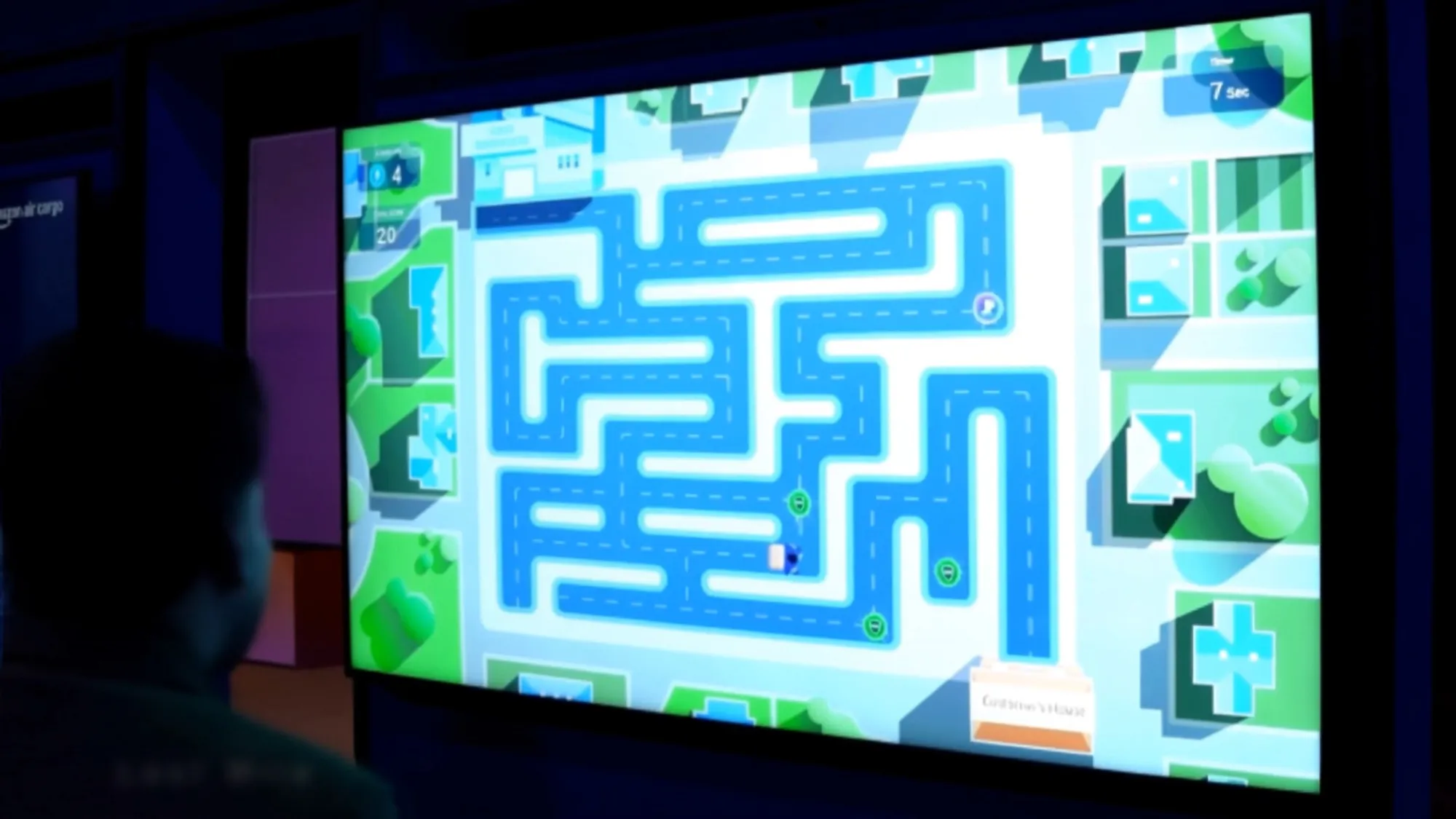
IIC Lab's approach used projection mapping wall installations to transform how Oral-B's innovation story was told. Instead of explaining that the product had better bristles, they created a visual journey that made bristle technology feel genuinely fascinating.
The anamorphic illusion technique created depth and dimension where attendees expected flat surfaces. As the presentation progressed, projected content appeared to:
- Pull viewers into a microscopic view of dental science
- Demonstrate pressure sensor technology through spatial visualization
- Show the product emerging from its own technological story
But here's the critical part: this wasn't spectacle for its own sake. Every visual element supported a specific product message. The technology served the story, which served the business objective.
Measurable outcomes:
- Media coverage emphasized the innovation, not just the product specs
- Retail partners engaged more deeply during B2B presentations
- Consumer awareness metrics showed higher recall of specific product benefits
- Social sharing extended the launch moment weeks beyond the event itself
The projection mapping services didn't just make the launch prettier. They made the product story land in a way that standard formats couldn't achieve.
What Effective Event Technology Actually Does
The best event technology creates what standard formats can't:
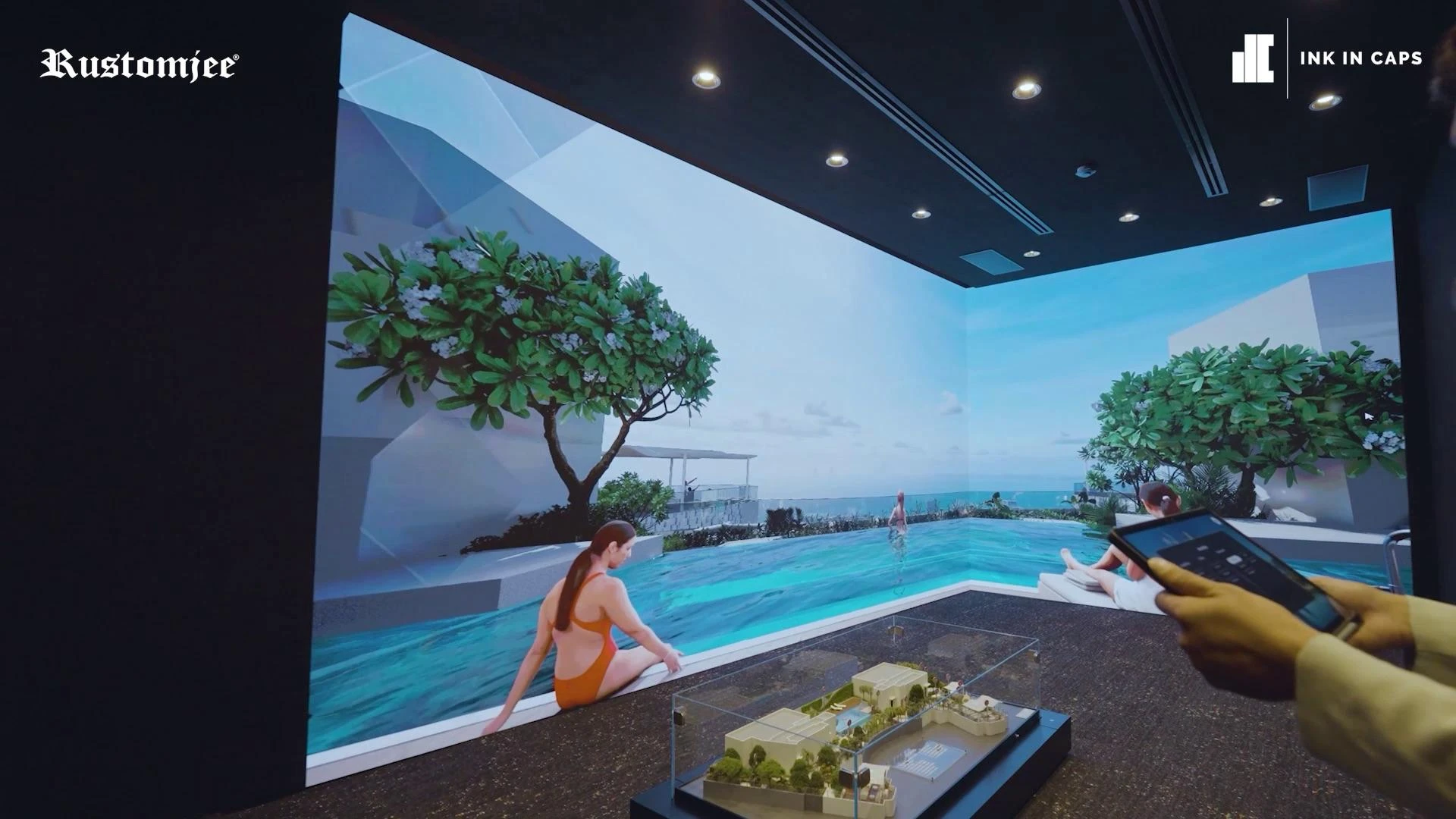
Spatial memory: When audiences remember where they saw information (that wall, that corner, that overhead moment), recall strengthens. Projection mapping wall experiences literally map content to physical space.
Emotional anchoring: Facts stick better when they arrive with feeling. Surprise, awe, delight—these emotions cement messages that would otherwise drift away.
Social proof in real-time: When a room full of people reacts simultaneously to something unexpected, that collective response validates importance. Individuals think "if everyone's paying attention to this, I should too."
Interactive projection mapping delivers all three, which is why brands see engagement metrics improve even when the core message stays the same.
When to Invest in Projection Over Standard AV
Not every event justifies projection mapping services. Sometimes screens work fine. But certain situations demand more:
High-stakes launches: When first impressions directly impact sales, partnerships, or market positioning
Competitive environments: Trade shows, industry events where you're fighting for limited attention
Complex messaging: Product stories or brand narratives that benefit from visual metaphor and spatial storytelling
Legacy moments: Anniversaries, milestones, achievements that should feel monumental, not transactional
If your event falls into these categories and you're still planning around standard screens, you're leaving impact on the table.
The IIC Lab Difference: Technology as Narrative Tool
IIC Lab operates as a full-service MarTech and immersive technology agency based in Mumbai. Their approach to projection mapping starts with understanding what you're actually trying to accomplish—not what equipment you need, but what experience will move your audience.
They blend:
- Experiential marketing expertise (knowing what makes people engage)
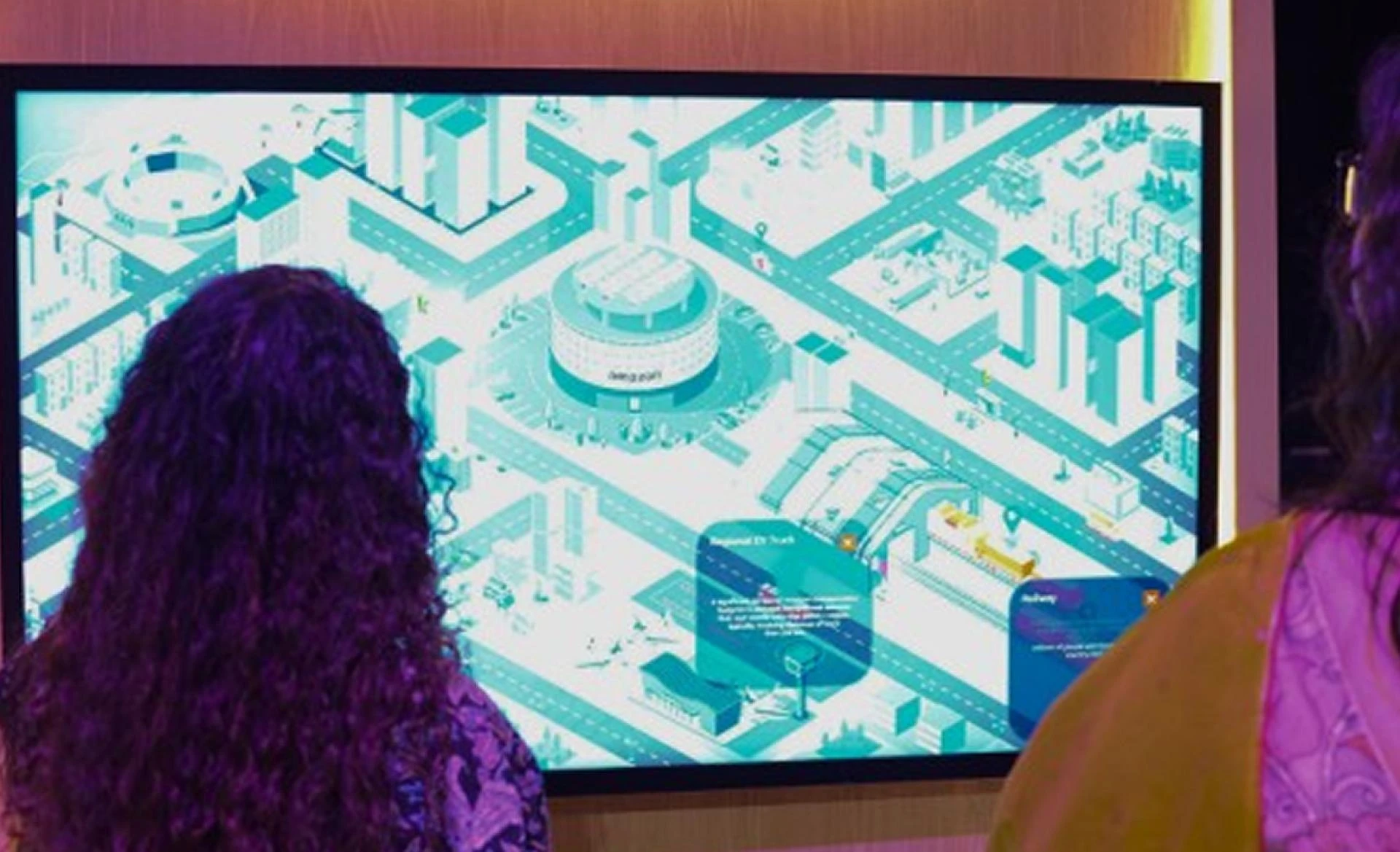
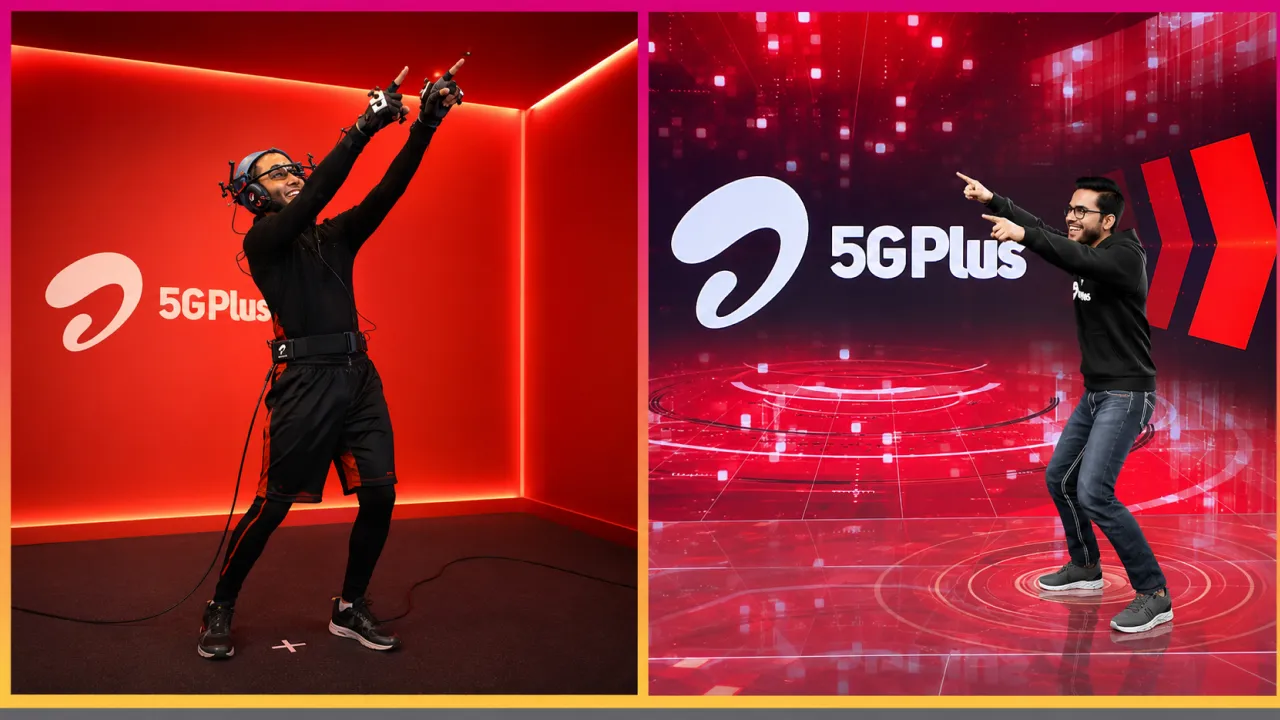
- Interactive technology capabilities (AR/VR, spatial computing, AI integration)
- Creative content development (storytelling that leverages technical possibility)
- Strategic thinking (aligning spectacle with business outcomes)
This means projection mapping wall installations don't exist in isolation. They're part of comprehensive brand experiences designed to drive growth, not just applause.
Making the ROI Case for Projection Mapping
Event budgets face scrutiny. Fair question to ask: does projection mapping justify the cost compared to standard AV?
Here's how the math actually works:
Attention capture: If projection mapping increases meaningful engagement by even 20%, downstream effects multiply—lead quality improves, message retention strengthens, organic sharing extends reach.
Content longevity: Projection mapping experiences photograph and film in ways that fuel marketing long after the event. That sizzle reel gets used for months.
Competitive differentiation: When your event becomes the one people reference when discussing industry trends, you've shifted perception. That shift has value.
Brands working with IIC Lab track these metrics carefully. The goal isn't creative awards. It's measurable business impact delivered through unforgettable experiences.
Stop Settling for Technology That Just Works
Functional event technology keeps things running. Exceptional event technology makes people remember why they showed up in the first place.
If your next event matters—if the stakes justify doing more than checking boxes—projection mapping wall experiences give you a tool that matches the importance of what you're saying.
Your event deserves technology that creates moments, not just displays information. Discover how interactive projection mapping can transform your brand experiences.let's build something your audience will still be talking about months later.























Sign in to leave a comment.