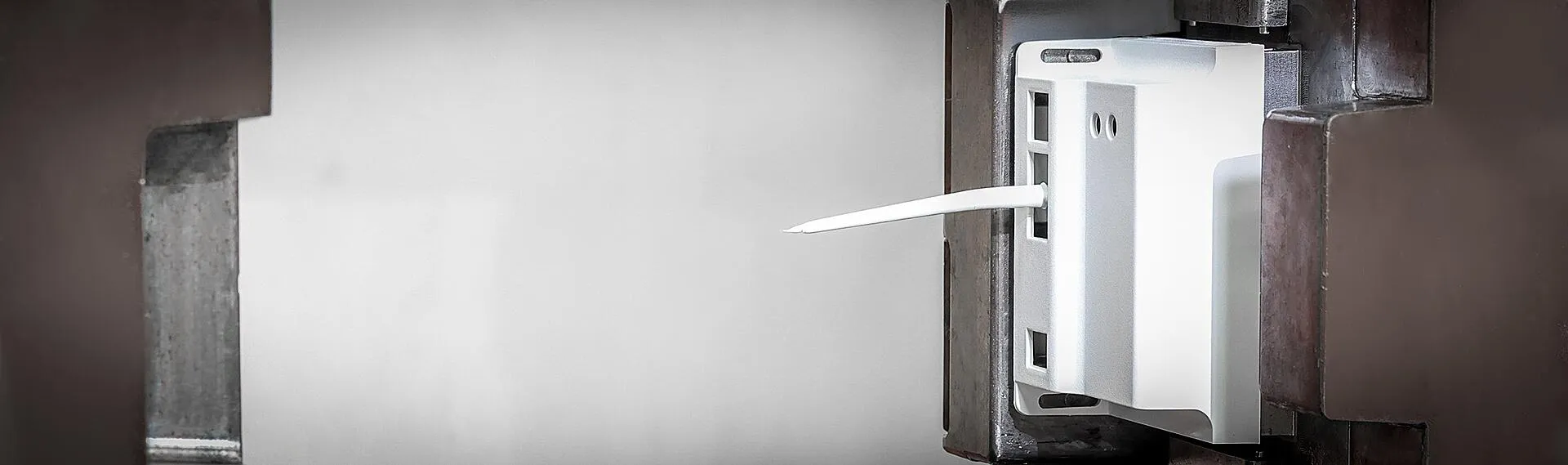

Injection molding is widely used for producing plastic parts at scale, but maintaining consistent quality across batches remains a challenge. Even small variations in material, mold design, or process settings can lead to injection molding defects.
For manufacturers and businesses using injection molding service, understanding these defects and how to prevent them is very important. In this guide by Mech Power, you’ll learn about the most common plastic injection molding defects, their causes, and simple ways to avoid them.
What Are Injection Molding Defects?
Injection molding defects are flaws that appear in plastic parts during the molding process. These defects may impact:
- Surface finish
- Strength and durability
- Size and shape accuracy
Most injection molding quality issues happen due to poor machine settings, low-quality materials, or improper mold design.
Main Causes of Injection Molding Defects
Before fixing defects, it’s important to know why they occur. The most common causes of injection molding defects include:
- Incorrect temperature settings
- Low or high injection pressure
- Poor mold design
- Inadequate cooling
- Moisture in raw materials
- Lack of machine maintenance
When these factors are not controlled, they lead to various common injection molding problems.
Common Injection Molding Defects and How to avoid it
Let’s explore the most frequent plastic molding defects and solutions in simple terms.
1. Short Shot
Problem:
The mold cavity does not fill completely, resulting in incomplete parts.
Causes:
Low injection pressure, low material temperature, or poor mold venting can restrict material flow.
How to avoid it:
Increase injection pressure and temperature. Improve venting to allow trapped air to escape.
2. Flash
Problem:
Excess plastic appears along the edges of the part.
Causes:
High injection pressure, worn molds, or insufficient clamping force. Flash is often linked to excess pressure or tooling wear.
How to avoid it:
Reduce pressure, increase clamping force, and ensure proper mold maintenance.
3. Sink Marks
Problem:
Small dents or depressions appear on the surface.
Causes:
- Thick sections in the part
- Uneven cooling
- Low packing pressure
Solution:
Maintain uniform wall thickness and increase packing pressure.
4. Warping
Problem:
The part bends or twists after cooling.
Causes:
- Uneven cooling
- Internal stress
- Poor design
Solution:
Ensure uniform cooling and improve mold and part design.
Warping is a serious injection molding quality issue that affects accuracy.
5. Burn Marks
Problem:
Black or brown marks on the surface.
Causes:
- Trapped air
- High temperature
- Fast injection speed
Solution:
Improve venting, reduce speed, and control temperature.
6. Weld Lines
Problem:
Lines appear where two plastic flows meet.
Causes:
- Low temperature
- Slow injection speed
- Poor mold design
Solution:
Increase temperature and improve flow design.
Weld lines can weaken the structure of parts produced through injection molding service.
7. Flow Lines
Problem:
Visible streaks or patterns on the surface.
Causes:
- Inconsistent cooling
- Slow injection speed
Solution:
Increase injection speed and maintain stable temperature.
8. Air Bubbles (Voids)
Problem:
Air pockets inside the molded part.
Causes:
- Moisture in material
- Poor venting
- Low pressure
Solution:
Dry the material properly and improve venting.
9. Delamination
Problem:
Layers separate on the surface of the part.
Causes:
- Contaminated material
- Low bonding strength
Solution:
Use clean materials and proper temperature settings.
10. Discoloration
Problem:
Uneven or unexpected color in the product.
Causes:
- Overheating
- Poor color mixing
- Contamination
Solution:
Clean machines regularly and use proper color mixing techniques.
Key Factors That Affect Injection Molding Quality
To reduce injection molding defects, focus on these important areas:
1. Material Quality
Always use high-grade raw materials. Poor materials often lead to plastic injection molding defects.
2. Mold Design
A well-designed mold ensures smooth flow and proper cooling.
3. Machine Settings
Correct temperature, pressure, and speed are critical for avoiding defects.
4. Skilled Operators
Experienced workers can quickly identify and fix common injection molding problems.
5. Maintenance
Regular machine and mold maintenance helps prevent unexpected issues.
Importance of Injection Molding Defect Analysis
Proper injection molding defect analysis helps manufacturers:
- Find the root cause of defects
- Reduce material waste
- Improve product consistency
- Save time and cost
By analyzing defects early, companies can improve their plastic injection molding service and deliver better products.
Best Practices to Avoid Injection Molding Defects
Here are some simple tips to prevent defects:
- Use dry and clean raw materials
- Maintain consistent processing conditions
- Optimize mold design before production
- Monitor temperature and pressure regularly
- Train staff on quality control
- Test products before mass production
These steps can significantly reduce injection molding quality issues.
How Mech Power Helps Reduce Injection Molding Defects
Mech Power focuses on delivering high-quality manufacturing solutions. The company ensures:
- Advanced machinery for precision production
- Strict quality checks at every stage
- Skilled engineers and technicians
- Customized solutions for complex parts
With the right tools and expertise, Mech Power minimizes plastic molding defects and solutions effectively.
Conclusion
Injection molding defects are common, but they can be controlled with the right approach. Understanding the causes of injection molding defects helps manufacturers take preventive steps early.
By improving material quality, optimizing machine settings, and focusing on proper mold design, most common injection molding problems can be avoided.
Choosing a reliable partner like Mech Power for your injection molding service ensures better quality, fewer defects, and long-term cost savings.

























Sign in to leave a comment.