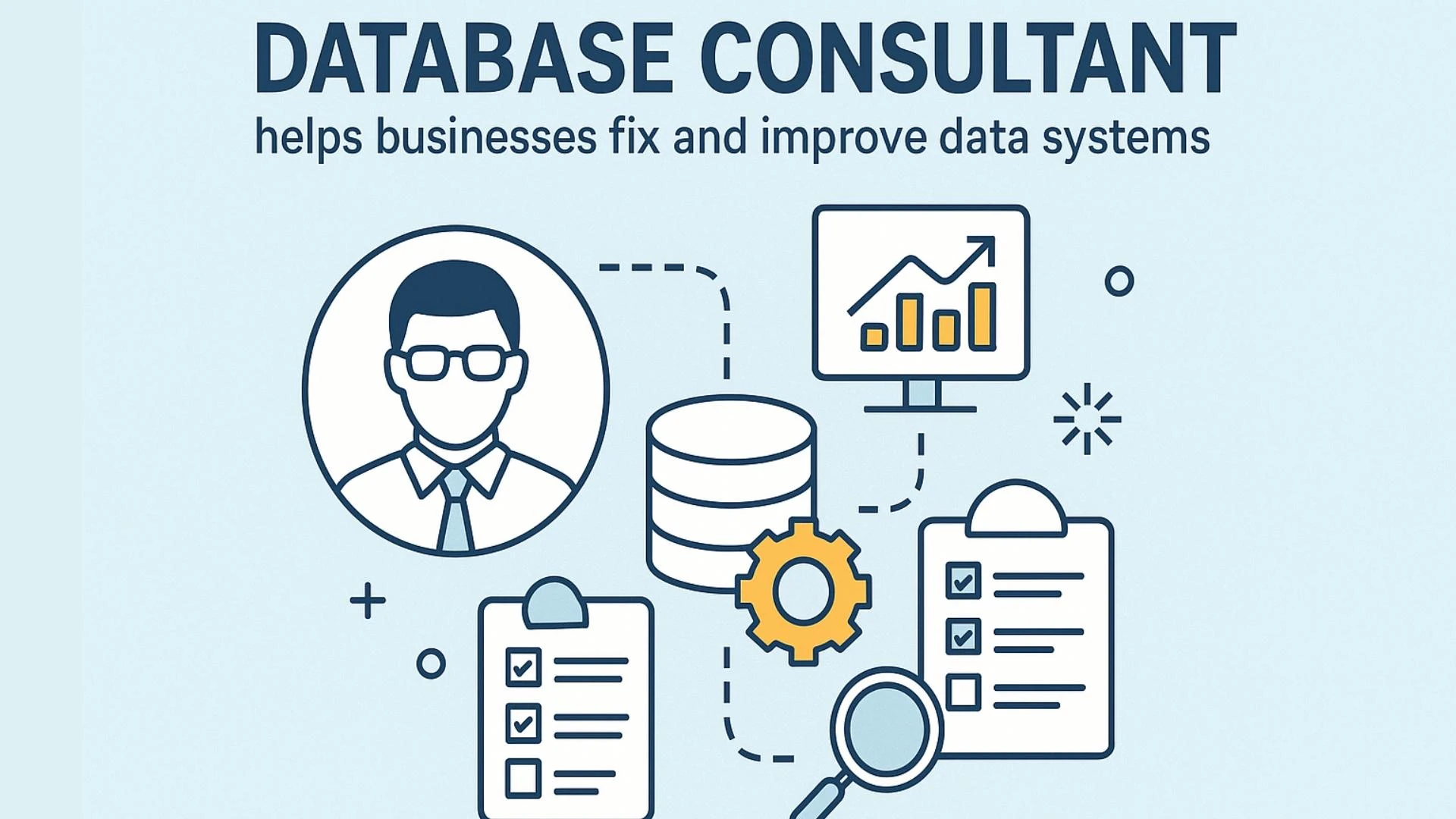

Many business owners manage data without knowing how much support they need. As the business grows, things slow down. Reports take longer. Systems crash. And the team starts wasting time fixing problems.
A database consultant works with companies to make their data systems run better. Whether you use large systems or small ones, they help you find what’s wrong and fix it fast. These experts step in to make things simple and smooth.
If your company works with big files, customer data, or old software, you may need a SQL database consultant or even a cloud database consultant. These experts check what you already use, spot problems, and help your business move faster. Some also work with tools like AWS, so hiring an AWS database consultant gives your team more options.
This guide explains what a database consultant does, when you might need one, and how they help businesses work better.
What Tasks Do Database Consultants Handle?
Database consultants work behind the scenes. They do many tasks to keep your data safe and easy to access. Their job is to help your team avoid trouble and reach your goals faster.
Here are the main things they do:
·Check your system for weak points: They look at how your system works. They find where the issues are and what is slowing it down.
·Fix speed and storage problems: If your tools or apps feel slow, they check why. They work as a database optimization expert to speed up reports, apps, and searches.
·Help with system upgrades: Many firms still use old tools. If you want to move to a better setup or switch to the cloud, a consultant makes this easy and safe.
·Secure your business data: Security is a big part of their job. They build rules and safety steps to keep data away from the wrong people.
·Plan for future needs: If you plan to grow, they help you build a setup that works for the long run. This way, you won’t need to fix things again in a few months.

Signs You Might Need One Soon
You may think your system works fine. But small problems add up fast. If your staff deals with delays or tech issues often, that’s a clue.
Here are some signs:
·Data takes too long to load: Reports that once took seconds now take minutes. This slows down your team every day.
·You are still using old tools: If your tools are more than 5–7 years old, chances are they are not secure or fast. A consultant helps you move to better systems.
·You have no one to manage your data: Small firms often don’t have full-time database staff. A database consultant helps fill that gap when you need them.
·Your data is not backed up: If something breaks and you lose data, you could lose customers too. A consultant sets up backup and recovery plans.
·Your team can’t handle tech issues: If tech problems stop your work, it’s time to call a pro. They let your staff focus on work instead of fixing errors.
Skills That Set Them Apart
Not all consultants are the same. They don’t just fix things—they help your whole system work better.
Here are key skills:
·Strong database knowledge: They know how to work with tools like SQL Server, MySQL, Oracle, and cloud systems.
·Clear planning: They help you build a plan. This plan guides your data setup today and as your business grows.
·Team support: They talk with your team in simple words. They help everyone get what’s changing and why it’s happening.
·Focus on results: Their job is not just fixing a problem. It’s about making sure your team can work better and faster every day.
·Safe data use: They set up safety rules that meet laws and protect your data at all times.
Common Tools and Services They Work With
Database consultants use many tools to help your business. Some are made for small teams, while others support large setups.
Here are some tools and services they often deal with:
·SQL Server and MySQL: These are used to store and manage your business data. A SQL database consultant knows how to set them up the right way.
·Cloud platforms: Many businesses now use cloud tools like AWS or Azure. A cloud database consultant or AWS database consultant helps you move to the cloud with less stress.
·Old software systems: Some firms use tools built years ago. If you’re using software that hasn’t been updated, a consultant can help you move to something better.
·Custom Reports and Apps: If your team needs to track work better, consultants can help. They build reports, dashboards, and small apps that fit your business.
·Data backup and recovery: They set up ways to save your work and get it back fast in case something goes wrong.
A Trusted Solution for Ongoing Support
Once your system is set up, that doesn’t mean the work ends. Good consultants stay in touch. They check how things are running. They step in when new problems come up. You don’t need to call tech support or worry about long delays.
With the right expert by your side, you stay ahead of problems. Whether you run a store, a warehouse, or an office, fast and safe access to your data matters.
If your business is growing or your system is slowing down, now is the time to act. Don’t wait until you lose files or your tools crash. Talk to someone who knows how to fix these problems before they grow.
Support That Grows With Your Business
As your team grows, your data grows too. The needs you had last year may not match what you need today. When more people use your system, it can slow down. You may need better reports, faster tools, or a new way to manage tasks.
This is where The Farber Consulting Group Inc. helps. They work with teams of all sizes. From moving your tools to the cloud to building a better database, they’ve done it all. Their experts serve as your SQL, cloud, or AWS database consultant, based on your needs.
They also bring years of work as a database optimization expert. They make your system faster, safer, and ready for growth. If you're ready to stop wasting time and start using your data the right way, reach out to their team. They will show you how a real partner makes a difference.































Sign in to leave a comment.