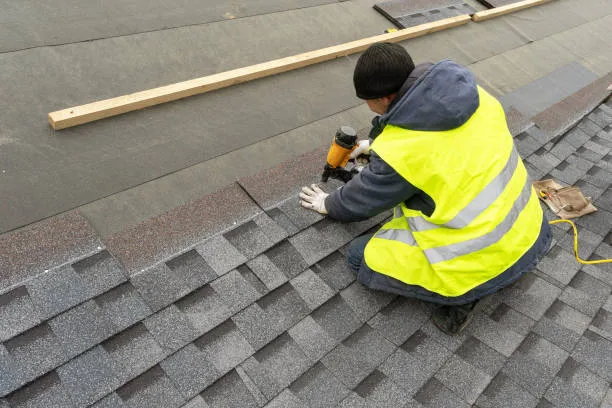


Your roof works every day without much attention. It protects your home from rain, wind, sun, snow, and changing temperatures, yet many homeowners only think about it after a leak appears. By then, what could have been a simple repair often turns into a much larger and more expensive project.
A professional roof inspection is one of the most effective ways to identify developing issues before they become emergencies. Whether you own a newer home, an aging property, or you're preparing to buy or sell, understanding what happens during a roof inspection helps you make informed decisions and protect one of your home's most valuable assets.
What Is a Roof Inspection?
A roof inspection is a detailed evaluation of your roofing system performed to assess its current condition, identify signs of wear, and detect damage that may not be visible from the ground.
Unlike a quick visual glance, a thorough inspection examines every component that contributes to your roof's performance, including the roofing materials, flashing, drainage system, ventilation, structural elements, and areas where water commonly enters the home.
The objective isn't simply to find problems. It's to understand how well the entire roofing system is functioning and determine what maintenance or repairs may be needed.
What Does a Professional Roof Inspection Include?
While every property is unique, experienced roofing professionals typically follow a systematic inspection process.
1. Exterior Roof Surface Assessment
The roofing material itself receives the closest attention.
Inspectors look for:
- Missing or damaged shingles
- Curling, blistering, or cracked shingles
- Granule loss on asphalt shingles
- Damaged metal panels or fasteners
- Loose or broken tiles
- Moss, algae, or organic growth
- Areas showing excessive weathering
- Evidence of hail or wind damage
These issues often indicate that sections of the roof have become vulnerable to moisture intrusion.
2. Flashing Inspection
Flashing protects the most leak-prone areas of the roof.
Professionals carefully inspect flashing around:
- Chimneys
- Skylights
- Roof vents
- Plumbing stacks
- Valleys
- Dormers
- Roof-to-wall intersections
Even high-quality roofing materials can fail if flashing becomes loose, rusted, or improperly sealed.
3. Gutters and Drainage System
Water management is just as important as the roof covering itself.
During the inspection, contractors evaluate:
- Gutter alignment
- Debris buildup
- Downspout function
- Water overflow patterns
- Signs of standing water
- Drainage around the home's foundation
Poor drainage can shorten the lifespan of an otherwise healthy roof.
4. Roof Deck and Structural Condition
A roof may appear sound from above while hidden structural problems exist underneath.
Inspectors look for signs such as:
- Soft or sagging roof decking
- Uneven roof lines
- Structural movement
- Water-damaged sheathing
- Excessive deflection
These findings help determine whether repairs extend beyond the roofing material itself.
5. Attic Inspection
Many roofing issues first become visible inside the attic.
A thorough attic inspection may reveal:
- Water stains
- Mold growth
- Wood rot
- Insulation damage
- Condensation
- Improper ventilation
- Daylight entering through roof openings
Attic conditions often provide valuable clues about hidden roof leaks that haven't yet appeared on interior ceilings.
6. Roof Ventilation Evaluation
Proper ventilation directly affects roof performance and longevity.
Professionals evaluate whether intake and exhaust ventilation are balanced to help:
- Reduce attic heat
- Prevent moisture buildup
- Protect insulation
- Improve energy efficiency
- Extend roofing material life
Poor ventilation frequently contributes to premature roof aging.
7. Interior Signs of Roof Damage
The inspection may also include visible interior areas where roofing problems commonly appear.
Inspectors check for:
- Ceiling stains
- Peeling paint
- Moisture damage
- Drywall deterioration
- Mold around ceilings or upper walls
These symptoms often point toward roof leaks that require further investigation.
Why Roof Inspections Matter
Many roofing problems develop gradually.
A single lifted shingle or loose flashing may not cause immediate leaks, but repeated exposure to rain, wind, and seasonal weather allows moisture to enter over time.
Routine inspections help homeowners:
- Catch minor issues early
- Reduce emergency repair costs
- Extend roof lifespan
- Maintain manufacturer warranty requirements
- Improve home resale value
- Plan future maintenance budgets
- Protect insulation and structural framing
Preventive maintenance almost always costs less than major restoration after water damage occurs.
How Local Weather Affects Roof Condition
Environmental conditions play a significant role in roof deterioration.
In regions with frequent rainfall, prolonged moisture can accelerate moss growth, deteriorate roofing materials, and increase the risk of hidden leaks.
Areas that experience strong winds often see lifted shingles, displaced flashing, and debris impact damage.
Homes exposed to intense summer heat may develop cracked shingles, thermal expansion, and faster material aging.
In colder climates, freeze-thaw cycles can create small openings that gradually expand over multiple seasons.
Because roofing challenges vary by region, local experience matters. Contractors familiar with the area's climate understand which problems occur most often and where they typically develop first.
When Should You Schedule a Roof Inspection?
Many roofing professionals recommend scheduling inspections at least once every year.
Additional inspections are especially valuable after:
- Severe windstorms
- Hail events
- Heavy snowfall
- Falling tree limbs
- Major rainstorms
- Before purchasing a home
- Before selling a property
- After completing roof repairs
Homeowners with roofs older than 10 to 15 years often benefit from more frequent evaluations since roofing materials naturally become more vulnerable with age.
Signs Your Roof May Need Immediate Inspection
Even if your roof isn't due for routine maintenance, certain warning signs deserve prompt attention.
These include:
- Water stains on ceilings
- Missing shingles
- Visible sagging
- Granules collecting in gutters
- Mold in the attic
- Rising energy bills
- Daylight visible through the attic
- Frequent roof leaks
- Loose flashing after storms
Ignoring these warning signs can allow relatively minor issues to spread into insulation, framing, ceilings, and interior finishes.
What Happens After the Inspection?
A professional inspection should provide more than a simple pass-or-fail opinion.
You should receive clear information about:
- Overall roof condition
- Areas requiring immediate repair
- Preventive maintenance recommendations
- Expected remaining roof life
- Photographs of identified issues
- Repair priorities
- Long-term planning considerations
This information helps homeowners make informed decisions rather than reacting to unexpected emergencies.
Common Misconceptions About Roof Inspections
"If there isn't a leak, the roof is fine."
Many roofing issues remain hidden for months before interior water damage becomes visible.
"A new roof doesn't need inspections."
Even newer roofs can experience storm damage, installation defects, or flashing failures that benefit from early detection.
"I can inspect my own roof."
While homeowners can safely observe from the ground, climbing onto a roof carries safety risks and may not reveal hidden structural or moisture-related issues.
Professional inspectors know where subtle warning signs typically appear and have the training to evaluate the entire roofing system.
Frequently Asked Questions
How long does a roof inspection take?
Most residential roof inspections take between 45 minutes and two hours, depending on the home's size, roof complexity, accessibility, and overall condition.
Does a roof inspection include the attic?
Yes. A comprehensive inspection often includes the attic because many moisture, ventilation, and structural issues become visible there before they appear inside the living space.
Can a roof inspection help with insurance claims?
Yes. After severe weather events, inspection reports and photographs can document damage and provide valuable information when working with your insurance company.
How often should older roofs be inspected?
Roofs over 10 to 15 years old generally benefit from annual inspections and additional evaluations after significant storms.
Final Thoughts
A roof inspection is much more than checking for missing shingles. It is a comprehensive assessment of the systems that protect your home from moisture, weather, and structural damage.
Regular inspections help homeowners understand the condition of their roof, identify small issues before they become costly repairs, and make confident maintenance decisions based on professional evaluation rather than guesswork.
Whether your roof is brand new or approaching the end of its expected lifespan, periodic inspections remain one of the smartest investments you can make in protecting your home for years to come.



























Sign in to leave a comment.