


Cannabis has become one of the most talked-about wellness and recreational products in recent years. As legalization expands across many regions, more people are becoming interested in understanding how cannabis interacts with the human body. From stress relief and relaxation to pain management and sleep support, cannabis is now used in a variety of ways by adults seeking different experiences and benefits.
Despite its growing popularity, many people still have questions about what cannabis actually does once it enters the body. The effects can vary based on the type of product, the amount consumed, and the individual using it. Some users experience calmness and relaxation, while others may notice changes in mood, appetite, focus, or energy levels.
Understanding the science behind cannabis can help consumers make more informed and responsible choices.
What Is Cannabis?
Cannabis is a plant that contains hundreds of naturally occurring compounds called cannabinoids. These compounds interact with receptors throughout the body and brain to create different physical and mental effects.
The two most well-known cannabinoids are:
- THC (tetrahydrocannabinol): The primary psychoactive compound that produces the “high” commonly associated with cannabis.
- CBD (cannabidiol): A non-intoxicating cannabinoid often linked to calming and wellness-focused effects.
Cannabis products are available in several forms, including:
- Dried flower
- Edibles
- Vape products
- Oils and tinctures
- Concentrates
- Capsules
- Topicals
Each product type affects the body differently. Smoking or vaping typically creates faster effects, while edibles may take longer to activate but often last longer.
Understanding the Endocannabinoid System
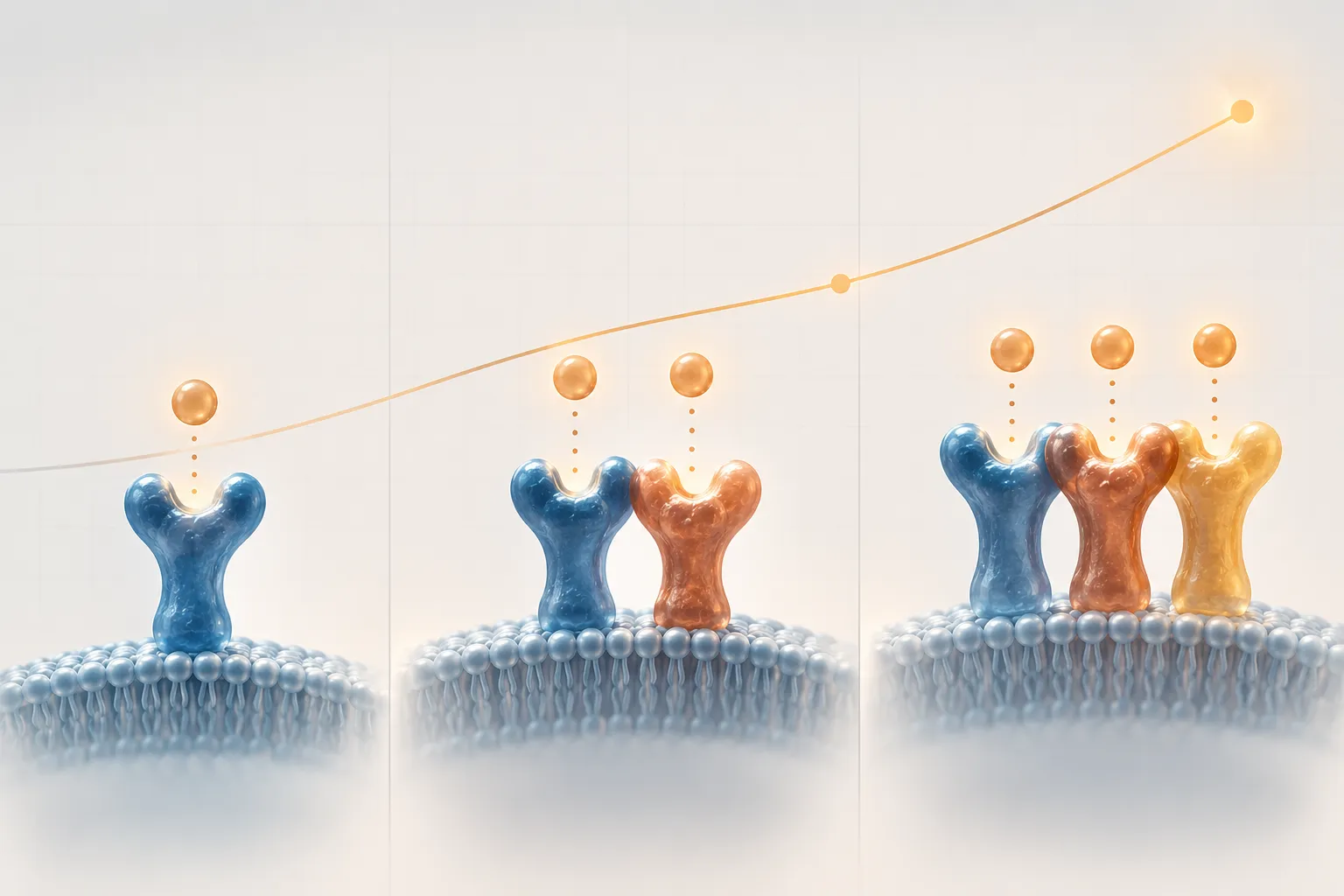
One of the main reasons cannabis affects the body so strongly is that humans naturally have an internal network called the endocannabinoid system (ECS). This system helps maintain balance in the body and supports important functions such as:
- Mood regulation
- Appetite
- Sleep cycles
- Pain response
- Memory
- Stress management
- Immune function
The ECS contains receptors located throughout the brain and body. Cannabinoids from cannabis interact with these receptors, which may influence how the body responds to discomfort, stress, hunger, and relaxation.
THC binds more directly to cannabinoid receptors in the brain, which is why it can alter perception and mood. CBD works differently and may help support overall balance without creating intoxicating effects.
How Cannabis Affects the Brain
The brain is one of the primary areas affected by cannabis use. After consuming cannabis, users may experience changes in mood, sensory perception, memory, and focus.
Common psychological effects include:
- Relaxation
- Mild euphoria
- Elevated mood
- Increased creativity
- Enhanced sensory awareness
- Altered perception of time
Some individuals report that music sounds richer or colors appear more vivid after consuming cannabis. Others may feel more social or introspective depending on the strain and dosage.
However, cannabis can also affect short-term memory and concentration. High doses of THC may cause confusion, anxiety, or paranoia in certain individuals, especially those with low tolerance.
Effects on the Nervous System and Muscles
Cannabis can influence the nervous system by slowing reaction time and affecting coordination. This is why individuals should avoid driving or operating machinery while under the influence.
Many users describe physical sensations such as:
- Muscle relaxation
- Reduced tension
- A calming body sensation
- Physical heaviness or sedation
Certain strains are often associated with energizing effects, while others are commonly linked to relaxation and nighttime use.
Because cannabis affects the nervous system, dosage plays a major role in the overall experience. Lower doses may feel mild and manageable, while higher amounts can become overwhelming for some users.
Cannabis and Pain Perception
One reason cannabis has attracted attention in wellness and medical communities is its potential role in pain management. Cannabinoids may interact with receptors involved in pain signaling and inflammation.
Some individuals use cannabis products to support relief from:
- Chronic discomfort
- Muscle soreness
- Joint pain
- Exercise recovery
- General body tension
Although research is ongoing, many consumers report that cannabis helps improve physical comfort and relaxation after long or physically demanding days.
Effects on Appetite and Digestion
Cannabis is widely known for stimulating appetite. THC may activate hunger-related signals in the brain, causing food to smell and taste more appealing.
This increase in appetite is often referred to as “the munchies.” While recreational users may enjoy this effect, it has also been studied in medical settings for individuals who struggle with appetite loss.
Cannabis may also influence digestion and nausea responses. Some users report that certain cannabis products help them feel more comfortable after eating or during periods of stomach discomfort.
Cannabis and Sleep
Sleep support is another common reason people explore cannabis products. Many users turn to cannabis to help them relax before bedtime and improve overall sleep quality.
Certain cannabis strains may help:
- Calm racing thoughts
- Reduce nighttime restlessness
- Encourage relaxation
- Support longer sleep duration
Products with balanced THC and CBD ratios are often preferred by users seeking more moderate effects.
However, excessive cannabis use may negatively affect sleep quality over time for some individuals, making responsible use important.
Emotional and Mental Effects
Cannabis affects emotional responses differently from person to person. Some individuals experience stress relief and emotional calmness, while others may become anxious or overstimulated.
Factors that influence emotional effects include:
- THC potency
- Product type
- Individual tolerance
- Personal mindset
- Environment
CBD-focused products are often chosen by consumers looking for more balanced and less intoxicating experiences.
People who are new to cannabis should start slowly and pay attention to how different products affect their mood and mental state.
Potential Side Effects of Cannabis
While cannabis may offer benefits for some users, it can also produce side effects. Common short-term side effects include:
- Dry mouth
- Red eyes
- Dizziness
- Fatigue
- Slower reaction time
- Temporary memory impairment
In higher doses, THC may cause:
- Anxiety
- Rapid heartbeat
- Confusion
- Paranoia
Long-term heavy use may increase the risk of dependency in some individuals. Responsible consumption and moderation are important for maintaining a positive experience.
Factors That Influence the Cannabis Experience
No two cannabis experiences are the same. Several factors can affect how cannabis impacts the body, including:
- Body chemistry
- Metabolism
- Previous cannabis experience
- Product potency
- Consumption method
- THC and CBD levels
For example, edibles often feel stronger and last longer than inhaled cannabis because they are processed differently by the body.
Beginners are usually encouraged to start with a low dose and increase gradually over time if needed.
Choosing High-Quality Cannabis Products
Quality and safety matter when purchasing cannabis products. Licensed dispensaries typically provide lab-tested products with accurate labeling, potency information, and ingredient transparency.
Consumers looking for a trusted dispensary in Okemos often prioritize knowledgeable staff, product variety, and reliable quality standards. Many adults visit Jars cannabis dispensary in Okemos to explore different cannabis options, ask questions about product effects, and find products suited to their personal preferences and experience levels.
Shopping at a reputable dispensary can help consumers feel more confident about what they are purchasing and consuming.
Responsible Cannabis Use
Using cannabis responsibly involves understanding personal tolerance, choosing appropriate products, and consuming in safe environments.
Helpful responsible-use practices include:
- Starting with low doses
- Avoiding mixing with alcohol
- Staying hydrated
- Reading product labels carefully
- Waiting for edibles to fully activate before consuming more
- Avoid driving after use
Education plays a major role in creating positive cannabis experiences.
Conclusion
Cannabis can affect the body in many different ways, influencing mood, appetite, relaxation, sleep, sensory perception, and physical comfort. Because cannabis interacts with the body’s endocannabinoid system, its effects can vary greatly between individuals.
Some people use cannabis recreationally to unwind, while others explore it as part of a wellness-focused lifestyle. Understanding how cannabis works, what influences its effects, and how to use it responsibly can help consumers make more informed decisions.
As the cannabis industry continues to grow, education and responsible consumption remain essential. Choosing high-quality products from trusted dispensaries and learning about different cannabinoids can help create safer and more enjoyable experiences for both new and experienced users alike.

























Sign in to leave a comment.