

Many guitarists spend years adjusting amps, pedals, and technique, yet overlook one quiet detail that reflects their habits more than anything else. The way a player chooses, maintains, and reacts to strings often mirrors how they approach music itself. From comfort preferences to how someone usually plays, subtle clues sit right under the fingers. Even the feel of tension or surface wear can hint at discipline, aggression, or finesse. Paying attention to these small signs can help players understand themselves better and make smarter choices for growth. String condition, response, and lifespan quietly tell a story about consistency, pressure, and touch. In this article, we will guide you through how string behavior connects to personal playing habits and long-term musical identity.
Touch and Finger Pressure
A player’s touch becomes obvious through how the strings respond over time. Those with a lighter touch usually experience smoother movement and easier bends, which often reflects expressive playing built on control rather than force. Heavier-handed players place more pressure on the fretboard, which causes faster surface wear and flattening. This usually appears in aggressive rhythm styles or high-energy lead work. Watching how quickly strings lose their smooth feel can reveal whether technique depends more on finesse or strength. Making small adjustments to finger pressure improves comfort, reduces strain, and supports consistency during longer sessions.
Practice Habits and Consistency
How long strings last often reflects how frequently someone plays. Daily practice leads to faster changes in feel, while occasional sessions slow that process. Sweat, movement, and environmental exposure gradually affect flexibility and surface texture. This is where electric guitar strings act as a clear indicator of routine. Players with regular schedules usually value predictability, while casual players focus less on lifespan. Recognizing this pattern helps match string choice to real usage instead of fighting against natural wear. Better alignment between practice habits and string behavior reduces frustration and keeps performance steady.
Style and Musical Direction
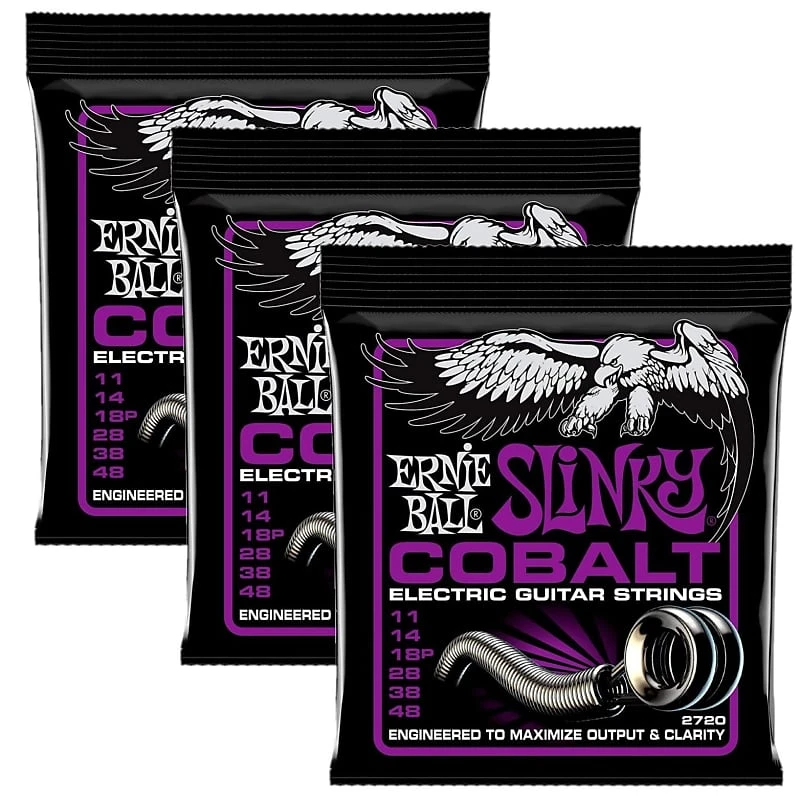
Different musical styles place different demands on strings. Fast lead passages need smooth response and controlled movement, while rhythm-heavy playing benefits from firmness and resistance. Players who move between styles often notice when strings stop responding evenly. This reflects musical direction more than technical failure. Preferences shaped by setups associated with Ernie Ball Strings usually point toward a balance between flexibility and control rather than extremes. These subtle choices influence timing, clarity, and confidence during performance without requiring constant adjustment.
Comfort and Long Sessions
Comfort becomes critical during long rehearsals or live sets. Players who focus on endurance usually prefer reduced friction and a consistent feel across hours of playing. A long-tail option, such as Elixir-coated electric strings, is often associated with musicians who want stability through extended sessions with fewer interruptions. These comfort-focused decisions usually reflect planning and patience rather than impulse. When strings remain forgiving over time, players stay relaxed, which supports better timing, steadier hands, and reduced fatigue during demanding performances?
Control and Long-Term Growth
As players gain experience, they become more aware of subtle feedback from their instrument. Choosing intentionally rather than out of habit shows growth. Using Electric Guitar Strings with awareness allows players to respond better to small changes in tension and feel. That awareness supports cleaner technique and stronger control. Over time, this relationship shifts from constant replacement to thoughtful refinement. Listening to what strings reveal helps guide smarter adjustments and builds a more confident musical identity.
Closing Thoughts
Strings quietly reflect touch, pressure, comfort preferences, and practice habits in ways many players overlook. From durability and feel to endurance and control, they reveal patterns that shape technique and direction. Paying attention to these signals helps guitarists make choices that support steady growth, reliable performance, and long-term confidence rather than quick fixes.
For players who value dependable gear and practical build options, Solo Music Gear fits naturally into that mindset. The company focuses on DIY kits, bodies and necks, pickup components, hardware, finishing supplies, tools, and essential accessories that support both builders and everyday players. Their approach aligns with musicians who see equipment as a long-term partner in progress.
FAQs
How often should strings be replaced for a consistent playing feel?
Replacement timing depends on playing frequency, sweat, and pressure. Regular players may notice changes within weeks, while occasional players can go longer. Changing strings when they feel uneven helps maintain comfort, accuracy, and control without waiting for visible damage.
Can string choice influence hand fatigue during long sessions?
Yes. Tension and surface texture affect fatigue levels. Smoother surfaces reduce friction, while heavier tension increases resistance. Choosing options based on comfort helps prevent strain and allows longer sessions without discomfort or loss of precision.
Do worn strings affect timing and consistency?
Worn strings respond unevenly, which can make timing less predictable. This affects accuracy during fast passages or sustained chords. Fresh, consistent strings support a stable response, helping maintain cleaner execution and reliable performance.




























Sign in to leave a comment.