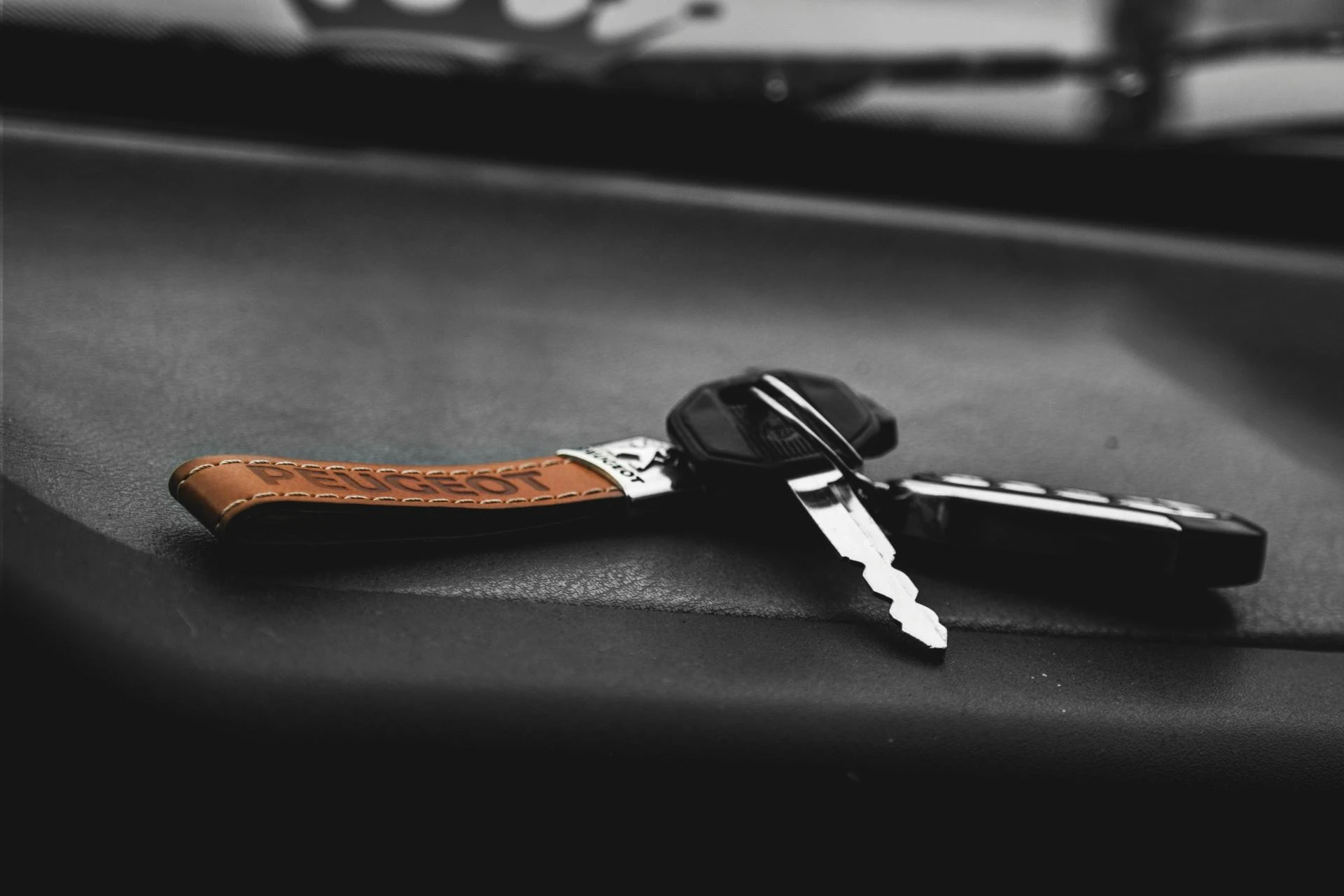

The world of automotive technology is advancing at an unprecedented pace, and one of the most noticeable changes is how we interact with car keys. Traditional metal keys are quickly being phased out in favor of smart keys—digital fobs that offer convenience, security, and remote functionality. For automotive technicians and locksmiths, this shift brings both opportunities and challenges.
If you’re working in the automotive space, understanding smart key replacement—especially using universal smart keys and tools like the OBDSTAR Key Master—is no longer optional. It’s essential. Here's what every technician should know to stay ahead.
Understanding Smart Keys: The New Standard
Smart keys aren’t just a luxury feature anymore. From economy sedans to high-end SUVs, most modern vehicles come equipped with some form of a smart key system. These keys typically use RFID (Radio Frequency Identification) and rolling codes to communicate with the car’s onboard computer, allowing keyless entry, push-to-start ignition, and in many cases, remote control of trunk access or climate settings.
For car owners, this offers a smooth and secure experience. But for technicians, smart keys require a whole new skill set—one that involves digital programming and secure communication with the vehicle's ECU.
Why Smart Key Replacement Isn’t So Simple
Replacing a traditional key was easy. A quick visit to a hardware store or locksmith, a few minutes at a key-cutting machine, and you're good to go. Replacing a smart key, on the other hand, involves:
- Identifying the correct key type and frequency
- Programming the key to the vehicle’s onboard system
- Ensuring compatibility with anti-theft (immobilizer) systems
- Managing potential software or firmware updates
And if the original key is lost? You may be dealing with an “all keys lost” situation, which can be even more complex. That’s why having the right tools and knowledge is critical.
The Rise of Universal Smart Keys
To simplify the key replacement process, many technicians are turning to universal smart keys. These programmable keys can be adapted to work with multiple vehicle makes and models. Instead of stocking dozens of different OEM key fobs, you can carry a handful of universal keys and customize them as needed.
Benefits of universal smart keys:
- Versatility: One key can be programmed to multiple brands.
- Cost savings: Cheaper than ordering OEM keys.
- Faster turnaround: Program keys on the spot without waiting for shipping or dealer support.
But using universal smart keys requires the right programming tools—and that’s where professional-grade devices come in.
Why the OBDSTAR Key Master Is a Technician’s Best Friend
One of the most powerful tools for smart key replacement is the OBDSTAR Key Master. Trusted by locksmiths and auto technicians worldwide, this device offers an intuitive interface, wide vehicle coverage, and advanced functionality for working with both OEM and universal smart keys.
Key Features of the OBDSTAR Key Master:
- Vehicle coverage: Supports major brands like Toyota, Ford, GM, Honda, Hyundai, Nissan, Kia, VW, and more.
- All key lost support: Handles situations where no working key is available.
- Remote generation: Works with universal smart keys to program remotes and transponders.
- EEPROM read/write: Allows deeper-level programming when required for certain vehicles.
- Regular updates: Ensures compatibility with the latest models and security protocols.
With this tool, technicians can perform most smart key replacements on-site, saving the customer time and boosting their own service offerings.
Common Smart Key Replacement Scenarios
Here are a few examples where smart key programming is essential:
1. Lost Key Fob
The car owner has no backup. With the OBDSTAR Key Master, you can connect to the OBD-II port, retrieve immobilizer data, and program a new universal key—quickly and securely.
2. Spare Key Creation
Even if a customer still has their original key, creating a spare is a smart move. Using a universal smart key reduces costs, and programming it with the OBDSTAR tool ensures it functions just like the original.
3. Remote Malfunction
Sometimes the physical key blade still works, but the remote buttons don’t. Replacing and programming a new universal key solves the problem and often improves reliability.
Best Practices for Technicians
To ensure smooth smart key replacement jobs, keep the following best practices in mind:
- Stay updated on vehicle key systems and manufacturer protocols.
- Use high-quality universal smart keys that are proven to work with a range of models.
- Invest in training for your key programming tools. Devices like the OBDSTAR Key Master are easy to use but offer advanced features that can boost your capabilities.
- Keep software current with regular updates to ensure compatibility with the latest vehicle models.
The Future of Key Programming
As vehicles continue to evolve, so will the methods we use to access and secure them. Some automakers are already testing digital keys—virtual keys stored in smartphones—while others are looking into biometric authentication and cloud-based access management.
Still, physical smart keys remain the norm for now. And with the right tools and techniques, technicians can offer fast, affordable, and reliable replacements.
Conclusion
Smart key replacement is no longer a niche skill—it’s a core service for modern automotive professionals. With more vehicles relying on digital keys, the ability to program universal smart keys using tools like the OBDSTAR Key Master is a competitive edge every technician should have.
By staying informed, equipped, and prepared, you’ll not only meet customer expectations but exceed them—while positioning yourself as a leader in the next generation of automotive service.






























Sign in to leave a comment.