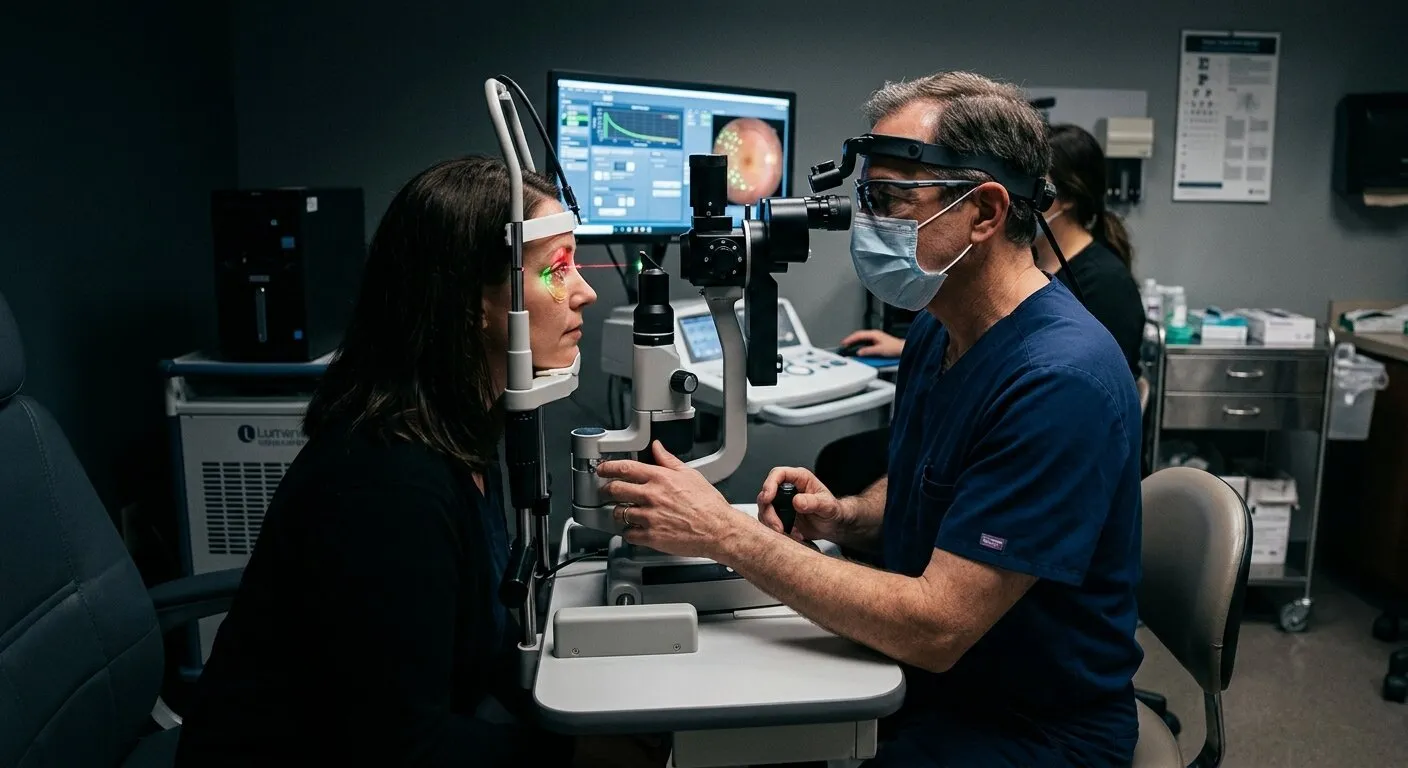

Lattice degeneration is a common retinal condition that often develops without noticeable symptoms. Many people don't realize they have it until it is discovered during a routine eye examination. If you're wondering what is lattice degeneration, it refers to areas of the retina that become thinner and weaker over time, making them more vulnerable to tears or breaks.
Although most people with lattice degeneration never experience serious complications, leaving the condition untreated or unmonitored can increase the risk of vision-threatening problems. Understanding the potential consequences can help protect your long-term eye health.
What Is Lattice Degeneration?
Lattice degeneration is a condition in which the peripheral retina develops thin, lattice-like patches. These weakened areas may contain small holes or tears that increase the likelihood of retinal damage.
Risk factors include:
1. Nearsightedness (myopia)
2. Family history of retinal disorders
3. Aging
4. Previous retinal tears or detachment in the other eye
Many patients have no symptoms, which is why regular comprehensive eye exams are essential.
What Happens If Lattice Degeneration Is Left Untreated?
While not every case requires immediate treatment, untreated lattice degeneration should still be monitored by an eye specialist. Possible complications include:
Retinal Tears
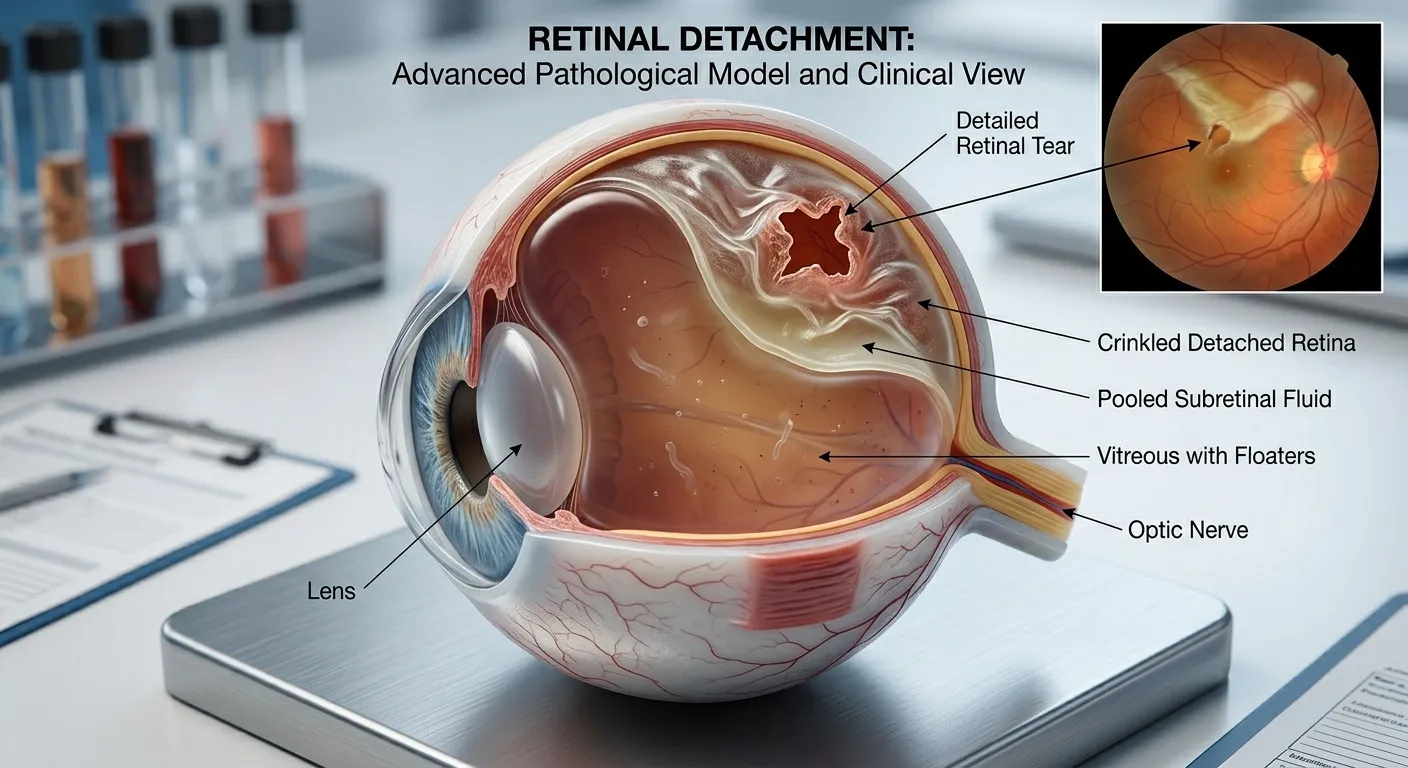
As the vitreous gel inside the eye naturally changes with age, it may pull on weakened retinal tissue. This traction can create retinal tears that require prompt medical attention.
Retinal Detachment
A retinal tear can allow fluid to pass underneath the retina, causing it to separate from the back of the eye. Retinal detachment is a medical emergency and may lead to permanent vision loss if not treated quickly.
Progressive Vision Loss
If retinal detachment develops and treatment is delayed, patients may experience:
1. Blurred vision
2. Loss of peripheral vision
3. A dark curtain or shadow across the visual field
4. Permanent vision impairment
Early diagnosis significantly improves treatment outcomes.
Warning Signs You Should Never Ignore
Seek immediate eye care if you notice:
1. Sudden flashes of light
2. A rapid increase in floaters
3. Blurred or distorted vision
4. A shadow or curtain moving across your vision
5. Sudden loss of side vision
These symptoms could indicate a retinal tear or retinal detachment.
Can Lattice Degeneration Be Treated?
Not everyone with lattice degeneration needs treatment. Eye doctors evaluate factors such as retinal holes, tears, symptoms, and individual risk before recommending intervention.
Treatment options may include:
1. Regular retinal examinations
2. Preventive laser photocoagulation
3. Cryotherapy in selected cases
4. Prompt treatment of retinal tears before detachment occurs
The goal is to reduce the risk of serious retinal complications while preserving vision.
How to Protect Your Vision
You can lower the risk of complications by following these healthy habits:
1. Schedule regular comprehensive dilated eye exams.
2. Report new flashes, floaters, or vision changes immediately.
3. Wear protective eyewear during sports and high-risk activities.
4. Manage conditions such as high myopia under the guidance of an eye specialist.
5. Follow your ophthalmologist's recommended follow-up schedule.
Wrapping Up
Lattice degeneration does not always require treatment, but it should never be ignored. Without proper monitoring, weakened areas of the retina can develop tears that may progress to retinal detachment—a serious condition that threatens permanent vision loss. Regular eye examinations, early diagnosis, and timely treatment when necessary are the best ways to preserve healthy vision. If you experience sudden flashes, floaters, or changes in your sight, seek immediate evaluation from an eye care professional.



























Sign in to leave a comment.