

Identity governance has become a critical security and compliance topic for enterprises, yet it remains widely misunderstood. Often reduced to access reviews or compliance reporting, identity governance is frequently treated as a checkbox activity rather than a strategic discipline.
As enterprise environments grow more complex—with cloud adoption, hybrid work, and an expanding identity landscape—the need for clear, practical identity governance has never been greater.
Defining Identity Governance Beyond Access Reviews
At its core, identity governance is about oversight and accountability. It ensures that access to systems and data is appropriate, justified, and continuously reviewed over time.
Unlike basic access management, identity governance focuses on questions such as:
- Why does a user have this access?
- Who approved it?
- Does it still make sense given the user’s role and risk level?
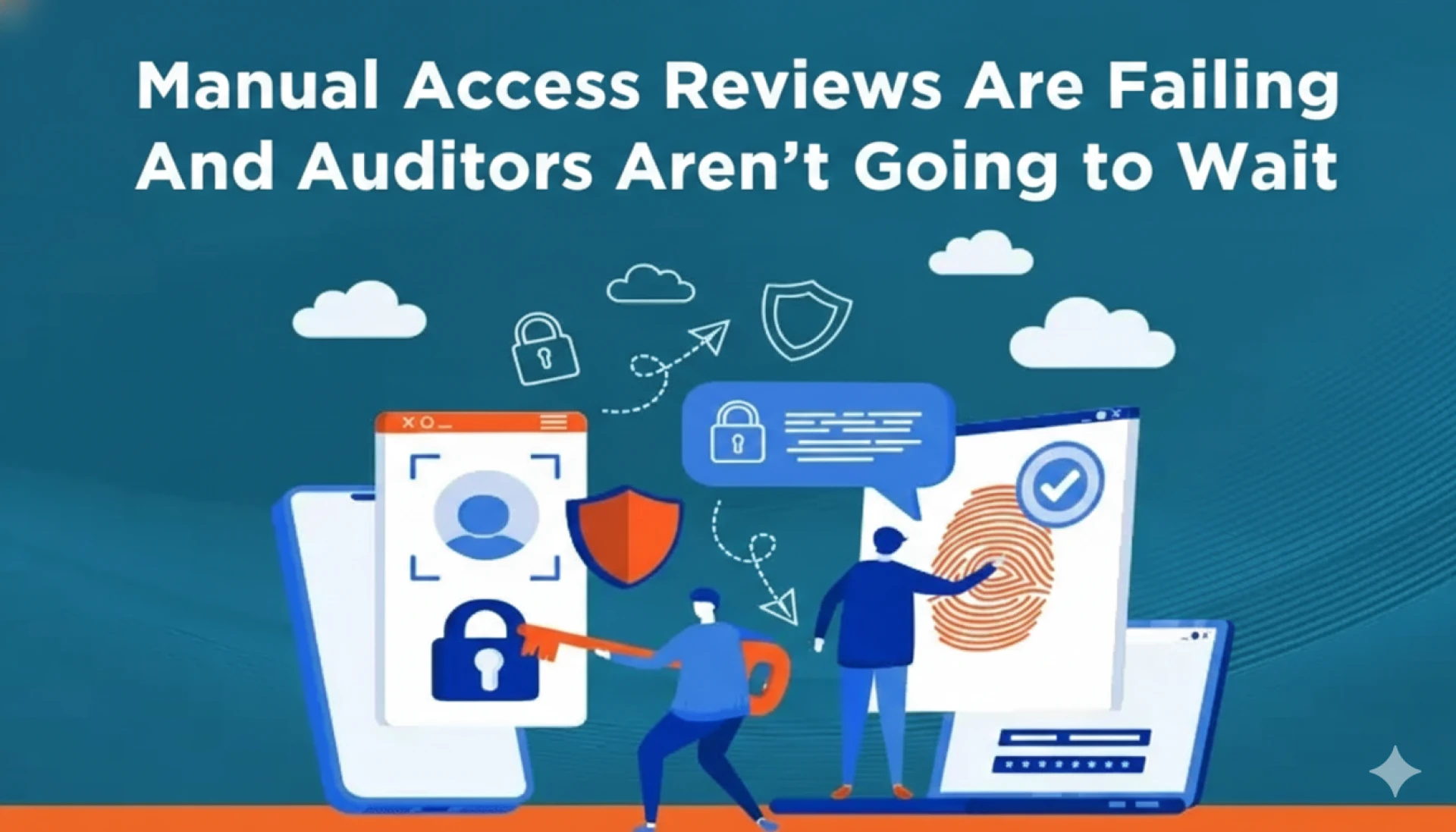
Access reviews and certifications are part of identity governance, but they are only one mechanism. Governance is the broader framework that defines how access decisions are made, reviewed, and evidenced across the organization.
Identity Governance vs IAM: Understanding the Difference
A common source of confusion is the assumption that identity governance is simply an extension of IAM.
IAM systems are designed to:
- Authenticate users
- Provision and deprovision access
- Enforce access controls
Identity governance, on the other hand, exists to govern those controls. It provides visibility into access decisions, enforces policy consistency, and ensures accountability throughout the access lifecycle.
Organizations that conflate IAM with governance often end up automating access without adequate oversight, increasing risk rather than reducing it.
Common Misconceptions About Identity Governance
Several misconceptions continue to undermine identity governance efforts:
“Identity governance is just about compliance.”
While governance supports compliance, its primary goal is managing access risk—not generating audit artifacts.
“If access is provisioned correctly, governance isn’t needed.”
Access changes over time. Governance ensures access remains appropriate as roles, responsibilities, and risk profiles evolve.
“More reviews mean better governance.”
Excessive reviews often lead to fatigue and low-quality decisions. Effective governance prioritizes meaningful oversight over volume.
What Modern Identity Governance Looks Like
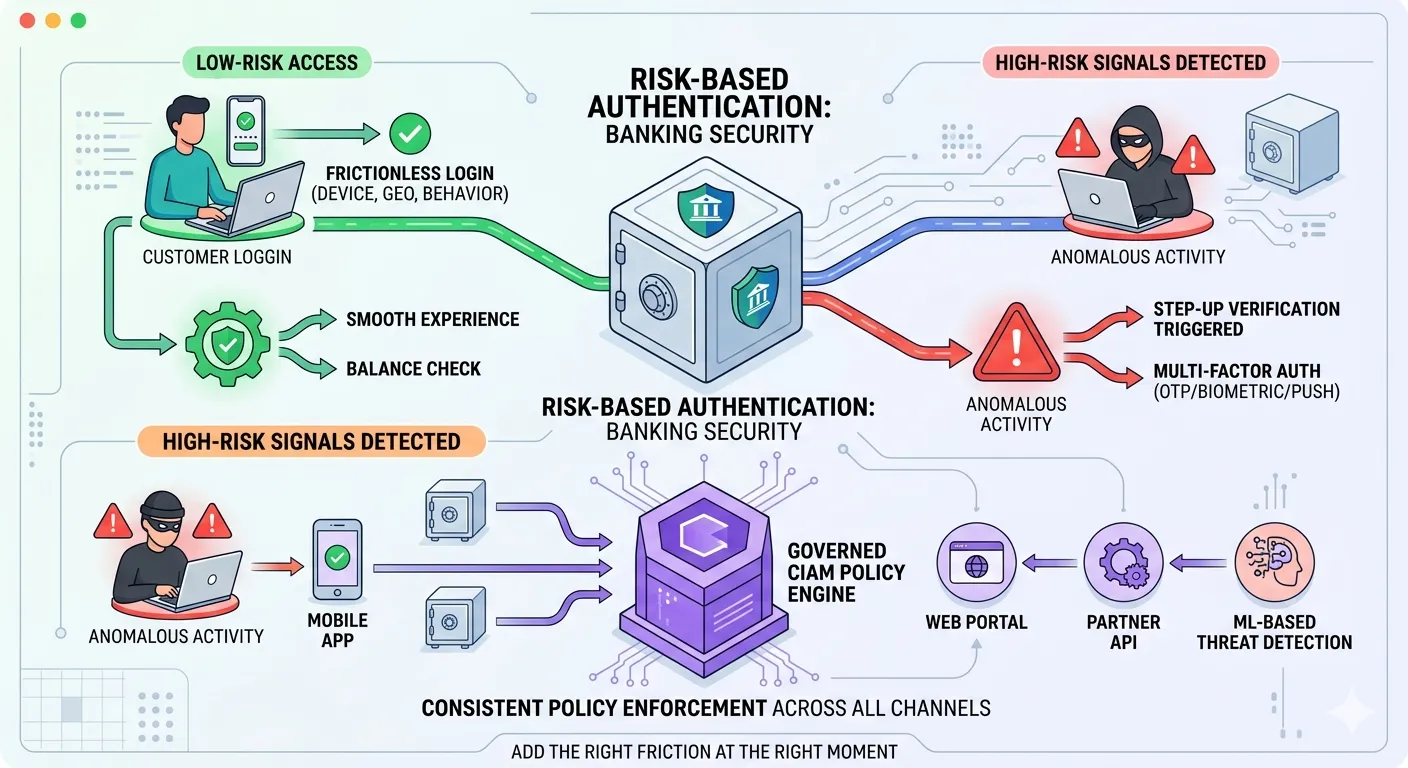
Modern identity governance has shifted away from trying to review everything equally. Instead, it focuses on risk-based prioritization and decision context.
Key characteristics of effective identity governance today include:
- Prioritizing high-risk access and privileged entitlements
- Providing reviewers with meaningful context
- Maintaining clear evidence trails for audits
- Integrating with existing IAM systems rather than replacing them
This approach allows organizations to reduce noise while improving the quality of access decisions.
Many enterprises are moving toward modern identity governance approaches that align oversight with real-world risk, rather than theoretical completeness.
Why Identity Governance Is Being Revisited Now
Several trends are forcing enterprises to rethink identity governance:
- Rapid growth of SaaS and cloud applications
- Increasing use of contractors and non-human identities
- Regulatory pressure and heightened audit scrutiny
- Distributed and remote work environments
Traditional governance models struggle under this complexity. As a result, organizations are adopting more practical, scalable governance frameworks that can adapt as environments evolve.
Where OpenIAM Fits Into the Identity Governance Landscape
Platforms like OpenIAM align with modern identity governance by supporting risk-based oversight, clear accountability, and governance models that integrate with existing identity infrastructures. Rather than treating governance as a standalone compliance function, this approach enables enterprises to govern access in a way that reflects how identities and applications actually operate in practice.
Closing Thoughts
Identity governance is not about reviewing more access—it’s about reviewing the right access, at the right time, with the right context. As identity environments continue to expand, enterprises that invest in practical, risk-aware governance frameworks will be better positioned to manage access risk while maintaining audit readiness.




























Sign in to leave a comment.