
Manual access reviews are everywhere.
They’re also one of the most fragile governance controls in most organizations, not because teams don’t care, but because the model can’t keep up with modern access sprawl. If you’ve ever run a quarterly access review campaign, you know the drill: spreadsheets, email chains, escalations, late approvals, and remediation tickets that drag on long after the review “ends.”
And then the audit arrives.
That’s when the real pressure starts, because audits don’t ask how hard you tried. They ask whether the control actually worked.
The question auditors are really asking now
Most organizations can say:
“Yes, we conducted access reviews.”
But when the audit lens sharpens, the question shifts to:
“Did the review reduce access risk, and can you prove it?”
That’s where manual reviews start failing.
Because they generate activity.
Not outcomes.
Why manual access reviews fail (even in well-run teams)
Manual access reviews break down in predictable ways:
1) They start with data chaos.
Security and IAM teams spend weeks pulling access lists from dozens of apps, normalizing entitlement formats, and mapping reviewers manually, before anyone reviews anything.
2) They become follow-up campaigns.
Distribution turns into chasing managers, escalating non-responses, and racing deadlines. The process becomes “completion management,” not risk reduction.
3) They’re outdated the moment they begin.
By the time reviewers receive access lists, roles have changed, managers have shifted, and access has already evolved.
4) Reviewers don’t have context.
Managers are asked to approve access they didn’t request, don’t understand, and can’t assess for risk — so they default to approval.
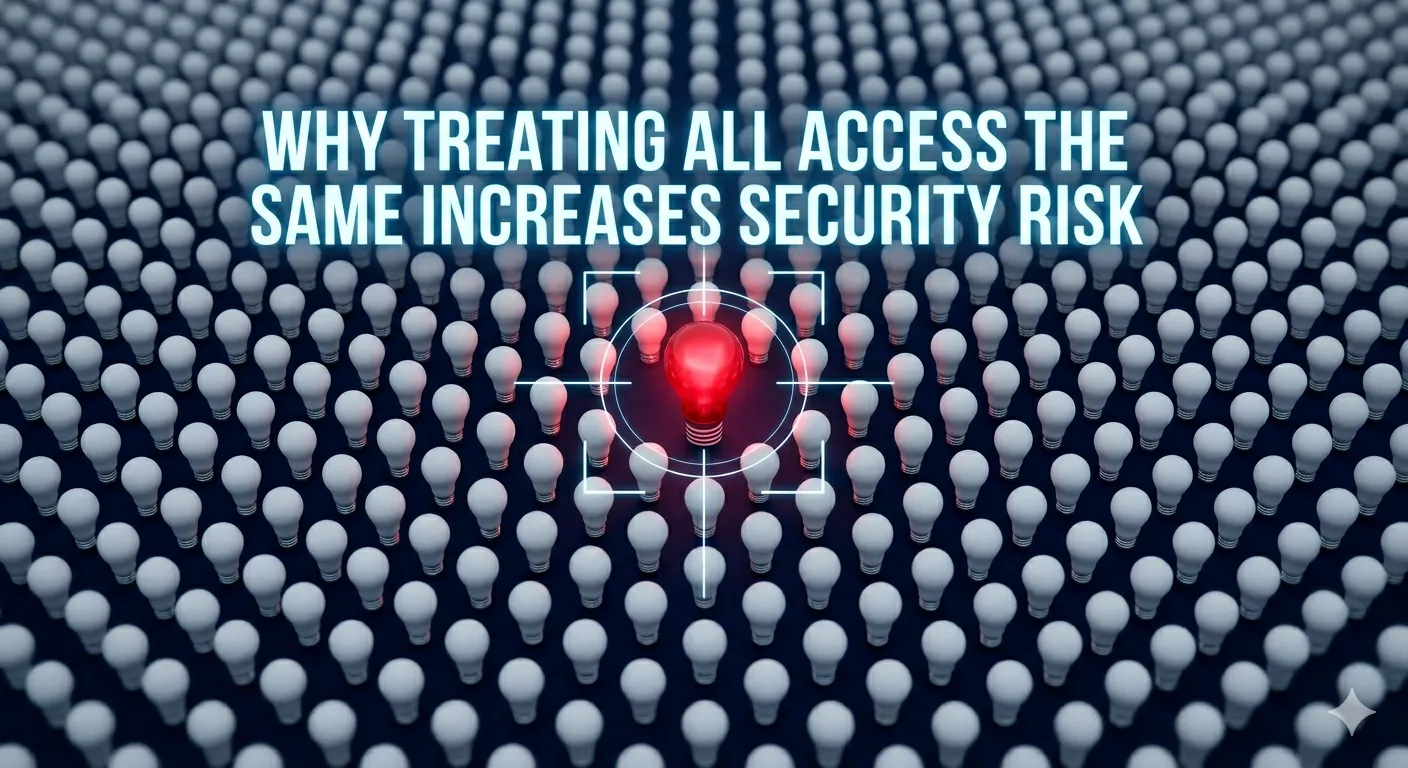
5) They treat all access as equal.
Low-risk app access gets reviewed alongside privileged roles and ERP permissions. Reviewers get flooded. Scrutiny drops. The riskiest access gets the least attention.
6) Remediation isn’t verified.
Even when access is flagged, revocation happens elsewhere via tickets and emails, and evidence gets scattered. Auditors don’t just want proof of review. They want proof of removal.
The real issue: it’s not “manual.” It’s governance design.
You can automate spreadsheets and still fail audits.
Because the real gaps aren’t speed, they’re governance fundamentals:
- risk-aligned reviews
- context-rich decisions
- event-driven reassessment
- verified remediation
- continuously captured evidence
Without these, access reviews become theatre: a process that looks like control but doesn’t reliably reduce risk.
Want the full breakdown (and what actually fixes this)?
If your access reviews still depend on spreadsheets, email approvals, and ticket-based remediation, you’re not alone.
But audits are becoming less tolerant of “best effort” controls, especially when evidence and remediation can’t be defended.
Read the full breakdown of why manual access reviews fail (and what changes when they actually work)
(including how to reduce review fatigue and improve audit readiness without replacing your IAM stack.)





























Sign in to leave a comment.