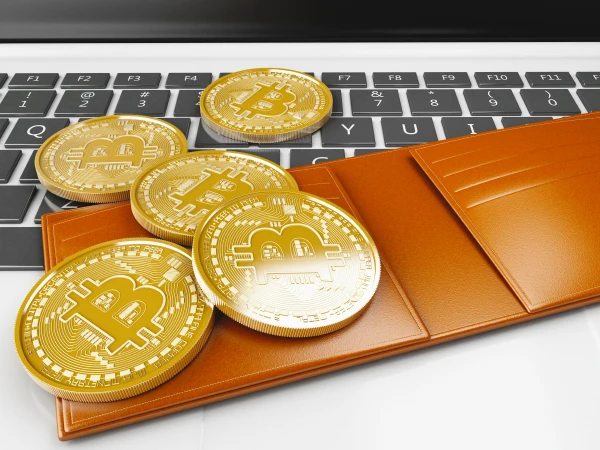

Cryptocurrencies like Bitcoin and Ethereum are gaining popularity as people see the many advantages they offer over traditional fiat currency. You'll need to learn about blockchain wallet development if you want to put any of these blockchain-based monies to use.
This article provides a definition of a blockchain wallet, outlines the various blockchain wallets available, and explains why you might want to use one. A blockchain wallet demonstration is included.
Why Use a Blockchain Wallet?
Several issues prevent any kind of transaction from being completed using conventional banking procedures. The typical transaction time is somewhat long. To add insult to injury, all financial dealings must go via a middleman, such as a bank, which creates a single point of failure. In addition, there are complications associated with maintaining accurate records of all accounts and balances, as data may be exposed, manipulated, or damaged due to the use of numerous systems. To a large extent, these issues disappear when using a blockchain wallet.
What is a Blockchain Wallet?
It works similarly to using PayPal or any other modern payment gateway, except that cryptocurrency is utilised instead of fiat currency. Electrum, Blockchain.info, Jaxx, Mycelium, Samurai, and a Bitcoin paper wallet are all examples of blockchain wallets. Depending on your specific requirements for convenience and safety, you can choose from many other options.
How Do Blockchain Wallets Work?
Let's begin by talking how what a blockchain wallet is and how private and public keys fit into it. In order to access the funds stored in your blockchain wallet, you will need both the private key and the public key. To illustrate, let's use electronic mail. You give someone your email address if you wish to start receiving messages from them.
However, just because you reveal your email address to a third party does not mean they will be allowed to send emails from your account. A key piece of information needed would be the password to your email account. Using a pair of public and private keys, blockchain wallets adhere to a similar protocol. Comparable to an email address, a public key can be shared with anybody. Whenever you create a new wallet, a public key is also generated, which you can give out to anyone in exchange for receiving funds.
Confidentiality of the private key has been ensured. It serves a similar purpose as your password and similarly should not be compromised or shared with unauthorized parties. A private key is needed to access your funds. Someone gaining access to your private key poses a significant risk of your entire cryptocurrency holdings being stolen from your wallet.
Benefits of Using a Blockchain Wallet
You should learn about the characteristics of Blockchain wallets now that you understand how they function. Among the many useful functions of Blockchain wallets are:Quite simple to employ. It works the same as any other program or wallet you may already be familiar with.Unparalleled safety. Safeguarding your private key is all that is required.Publishes the possibility of immediate international transactions. Not only that, but there are no middlemen required for these.cheap processing. When compared to the fees charged by conventional banks, sending money abroad is a breeze.support for numerous cryptocurrency transactions. This facilitates simple monetary exchanges.
Blockchain Wallet Varieties
Blockchain wallets use private keys, and those keys can be either "hot" or "cold." Hot wallets are user-friendly digital versions of the traditional wallets we all carry around for day-to-day purchases. Cryptocurrencies are stored in cold wallets, which are extremely secure and can be compared to a bank vault.
Hot Wallets and Cold Wallets
You can swiftly send cryptocurrency across hot wallets, which are internet wallets. One can purchase them over the internet. Blockchain.info and Coinbase are two good examples. Bitcoin transactions in a cold wallet are signed and disclosed offline first. Due to the sensitive nature of this data, they are not stored online in a "cloud." Instead, they are kept in a secure, off-the-grid location. Trezor and Ledger are both examples of cold wallets.
By keeping private keys in the cloud, "hot wallets" allow for instantaneous payments. By contrast, "cold wallets" keep their private keys offline, either on a piece of hardware that isn't linked to the internet or on paper. Hot wallets are digital currency storage solutions that are available online and accessible from any computer or mobile device, but they carry the danger of irretrievable loss if they are compromised. The mechanism of the transaction aids in the safety of a cold wallet from potential hackers (hacking and other online vulnerabilities).
Conclusion
This guide to blockchain wallets demonstrates the various wallets discussed here and even shows some real-world transactions being processed. Want to take your blockchain education to the next level? If you want to develop the basics of Blockchain, I recommend suffescom Solution services to get Blockchain Developer work done to advance your profession and increase your earnings.
0



























Sign in to leave a comment.