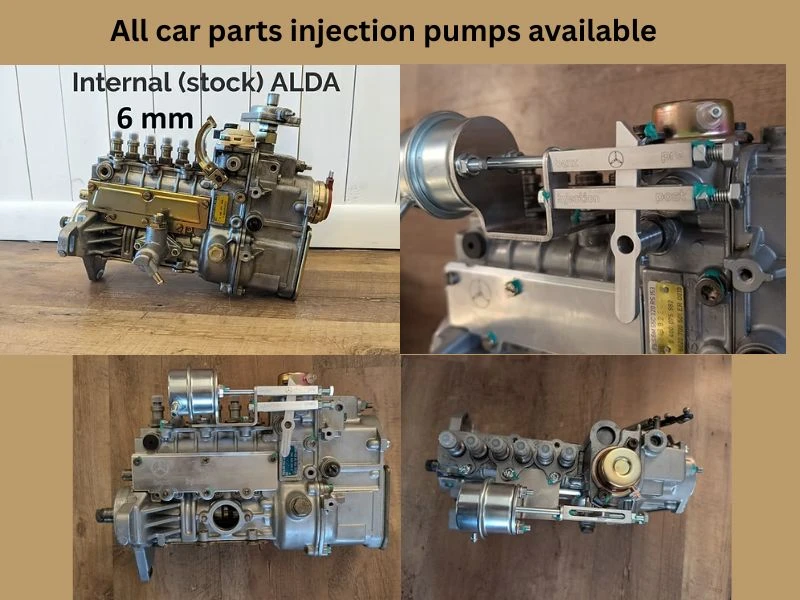

The OM606 Mechanical Injection Pump is a performance-focused fuel delivery system designed for the legendary Mercedes-Benz OM606 diesel engine. Known for its strength, smooth operation, and tuning potential, the OM606 has become a favorite among diesel enthusiasts. Converting it from electronic control (EDC) to a fully mechanical setup transforms the engine into a simpler, more reliable, and highly tunable powerhouse.
Understanding the OM606 Platform
The OM606 is a 3.0-liter inline-six turbo diesel engine produced by Mercedes-Benz in the 1990s. It was factory-equipped with an electronically controlled injection pump in many models. While the stock electronic system works well for daily driving, performance builders often prefer a mechanical system for greater control and fewer electronic limitations.
This is where the OM606 Mechanical Injection Pump comes in. Instead of relying on sensors, wiring, and ECU programming, a mechanical pump controls fuel delivery through physical linkages, springs, and internal cam profiles. The result is a direct and responsive fuel system that can support significant power upgrades.
What Is an OM606 Mechanical Injection Pump?
An OM606 Mechanical Injection Pump is typically based on a Bosch inline-style pump (often referred to as an “M-pump”). It is either sourced from older Mercedes diesel engines or custom-built and modified specifically for the OM606 platform.
Unlike electronic pumps, which adjust fuel delivery using signals from the ECU, the OM606 Mechanical Injection Pump meters fuel purely through mechanical components. Throttle input directly influences fuel rack movement, which determines how much diesel is injected into each cylinder.
This design provides:
- Precise manual tuning capability
- Strong reliability under high boost
- Compatibility with performance turbo setups
- Reduced dependence on electronic components
How Does the OM606 Mechanical Injection Pump Work?
To understand how the OM606 Mechanical Injection Pump works, it helps to break down the basic process of diesel fuel injection.
- Fuel Supply
Diesel fuel is drawn from the tank and fed into the injection pump at low pressure.
- Pressurization
Inside the pump, a camshaft-driven plunger assembly compresses the fuel to extremely high pressure. Because diesel engines rely on compression ignition, this high pressure is essential.
- Fuel Metering
The fuel rack inside the pump moves according to throttle position. When you press the accelerator pedal, a linkage increases the rack position, allowing more fuel to be delivered.
- Injection Timing
Timing is mechanically set by aligning the pump with the engine’s crankshaft position. Proper timing ensures fuel is injected at the exact moment needed for efficient combustion.
- Delivery to Injectors
High-pressure fuel travels through steel lines to each injector, where it is sprayed into the combustion chamber.
The simplicity of the OM606 Mechanical Injection Pump means there are fewer components that can fail. There is no need for electronic sensors to calculate fuel quantity or timing adjustments. Everything is controlled mechanically and directly.
Why Enthusiasts Prefer Mechanical Conversion
The popularity of the OM606 Mechanical Injection Pump has grown rapidly in the performance community. One major reason is its ability to support high horsepower builds. When paired with upgraded injectors and a larger turbocharger, a properly tuned mechanical pump can deliver impressive fuel flow.
Another advantage is reliability. Electronics can become problematic over time, especially in swapped vehicles or off-road builds. A mechanical setup eliminates many wiring concerns and simplifies troubleshooting.
Throttle response is also sharper. Because fuel delivery is directly linked to pedal input, drivers often notice a more immediate and aggressive feel compared to electronic systems.
Tuning and Performance Potential
Tuning an OM606 Mechanical Injection Pump involves adjusting internal springs, fuel screws, and governor settings. With proper setup, these pumps can support well over 400 horsepower in modified builds, depending on supporting components.
However, tuning should be done carefully. Excessive fueling without proper airflow can lead to high exhaust gas temperatures and engine stress. A balanced setup with adequate turbocharging and inter cooling is essential.
Final Thoughts
The OM606 Mechanical Injection Pump transforms an already respected diesel engine into a highly capable performance platform. By replacing electronic control with a mechanical system, builders gain simplicity, durability, and hands-on tuning control. For diesel enthusiasts seeking reliability and serious power potential, this conversion remains one of the most effective upgrades available for the OM606 engine.


























Sign in to leave a comment.