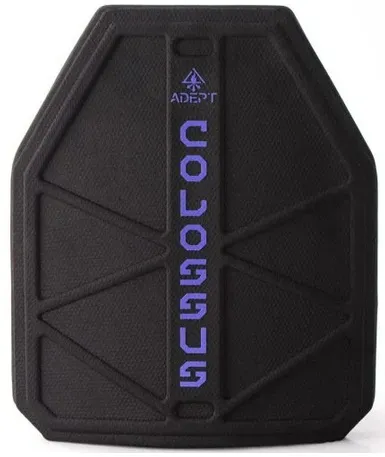

When shopping for body armor, the technical language can get dense fast. One term that comes up frequently in higher-end plate discussions is end-to-end ceramic coverage. If you've wondered what that actually means and why it matters, this breakdown will give you a clear picture of what's happening inside the plate and why the construction method makes a real difference in how well you're protected.
Understanding How Ceramic Armor Plates Are Built
Ceramic armor plates are designed to defeat high-velocity rifle rounds by shattering the projectile on impact. The ceramic material is extremely hard, harder than the steel in most rifle rounds, which causes the bullet to break apart before it can penetrate through to the backing material and reach the wearer.
The catch is that ceramic is also brittle. After absorbing an impact, the ceramic around the strike point fractures. This is by design, but it means the layout and coverage of the ceramic layer inside the plate matter enormously. Some plates use ceramic tiles or inserts that don't cover the entire surface, leaving gaps near the edges where protection may be reduced.
End-to-end ceramic coverage means the ceramic layer extends across the full face of the plate without interruption, from one edge to the other. There are no gaps, no exposed corners, and no transition zones where the backing material alone would need to stop a round. This is particularly important in a level 4 armor plate, where the threats being stopped are armor-piercing rifle rounds that demand consistent, reliable protection across the entire strike face.
Why Full Coverage Matters in Real Scenarios
In a real threat situation, you don't get to control exactly where a round hits. Strikes near the edges of a plate are entirely possible. If the ceramic coverage doesn't extend to those areas, you may be relying on backing material alone to stop a round it wasn't designed to handle on its own.
A level 4 armor plate with true end-to-end ceramic coverage eliminates that vulnerability, giving you confidence that the full surface of the plate is working together to protect you as intended.
Author Resource:-
Jeson Clarke advises people about body armor, offering insights on protective gear and advanced safety solutions. You can find his thoughts at tactical armor blog.





























Sign in to leave a comment.