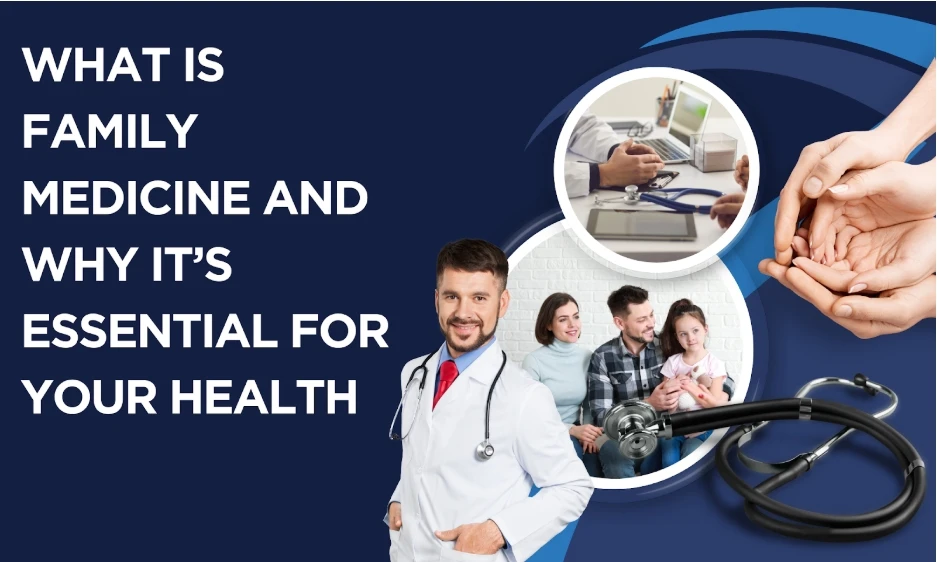

Did you know, that for every 10 additional family physicians per 100,000 people, there are 15 fewer deaths and 40 fewer hospitalizations? That’s the measurable impact of family medicine. Compared to other specialties, family medicine provides ongoing, whole-person care, managing acute and chronic disease and focusing on prevention.
Your family doctor isn't just who you visit when you're ill—they're the key to long-term wellness and better results. Let's discover why family medicine has to be the foundation of your care.
The Comprehensive Role of Family Medicine in Your Healthcare Journey
Family medicine is at the core of healthcare, providing more than just treatment—it lays the foundation for long-term health and well-being. When searching for family medicine near me, you're looking for healthcare professionals trained to address a wide spectrum of medical needs across all life stages.
All-Inclusive Care for Every Family Member
Unlike specialists who focus on specific body systems, family physicians manage acute and chronic illnesses for patients of all ages and genders. From newborns to seniors, a family doctor provides care throughout your entire life.
These physicians are well-equipped to manage complex medical conditions such as diabetes, depression, and heart disease—sometimes at the same level as specialists. They see a broad spectrum of conditions so that they can catch and treat problems that otherwise fall through the cracks of specialist care.
Coordination with Specialists When Needed
Family physicians are your medical quarterback and assist in coordinating your care when you have more than one physician. That coordination significantly reduces hospital and emergency room visits through continuity of care.
Management of Complex Cases
Family medicine is one of the most complex medical disciplines, requiring the integration of physical and mental health care while addressing a wide range of conditions. Your family doctor approaches your health holistically, recognizing that symptoms rarely exist in isolation.
This integrated approach is especially useful for patients with over one condition. Rather than treating each condition in isolation, family physicians understand how diseases affect each other and influence your overall well-being.
Core Benefits of Family Medicine That Improve Your Health Outcomes
Beyond offering comprehensive care, the real value of family medicine lies in the measurable benefits it brings to individual health and the healthcare system.
Preventive Care and Early Detection Save Lives
Preventive care is the foundation of family medicine. Rather than just treating disease once it has manifested, your family doctor is working actively to prevent problems through:
- Regular health checkups based on your risk factors and age
- Prevention of infectious diseases by immunizations
- Lifestyle advice in diet, exercise, and stress management
- Early intervention for nascent health issues
The impact is significant—communities with better access to family physicians experience lower infant mortality rates and improved chronic disease outcomes. For conditions like asthma, there are 60%-75% fewer emergency visits, while diabetes patients experience fewer hospitalizations and deaths.
The Patient-Doctor Relationship: Your Health Partner
One of the greatest benefits of primary health care is the continuity of the long-term relationship with your physician. With continuity, your doctor can:
- Understand your medical history thoroughly
- Notice slight changes in your health
- Provide me with personalized care according to your unique needs and desires
- Build trust that will enable open communication
This improves patient satisfaction and leads to better compliance with therapeutic measures. If you trust your physician, you're more likely to follow their advice and take an active role in your treatment.
Cost Efficiency Benefits Everyone
Family medicine is highly cost-effective for the system as well as to patients. These factors contribute to significant cost savings through:
- Reduced use of emergency rooms for non-emergency situations
- Reducing hospital admissions
- Early treatment of illnesses before they turn into expensive complications
- Enhanced use of experts and diagnostic tests
The Broader Impact of Family Medicine on Public Health
While family physicians enhance individual health, their influence extends beyond the exam room—they play a pivotal role in improving public health outcomes on a larger scale.
Community Health Advocacy
Family physicians play a crucial role in advocating for community health by:
- Promoting vaccination programs that protect vulnerable populations
- Providing health education that empowers patients and families
- Addressing social determinants of health like housing, food security, and education
- Working to reduce health disparities among different population groups
These efforts create healthier communities and reduce the burden of preventable diseases across populations.
Ensuring Care in Rural and Underserved Areas
Family doctors play a vital role in providing primary health care services in rural areas. Specialists may be miles away in rural areas, but family doctors provide holistic care, which is otherwise not available.
They enhance community health interventions and help bridge geographic barriers to quality healthcare access. Such a focus on providing care to all communities makes family medicine core to the efforts at bridging healthcare inequities.
The Evolving and Adaptive Nature of Family Medicine
To sustain this critical role in healthcare, family medicine continuously evolves—adapting to new challenges and integrating the latest medical advancements.
Training and Lifelong Learning
Family physicians engage in lifelong learning to stay updated in their field. This continuous learning ensures they stay current with:
- New diagnostic techniques and technologies
- Emerging treatment options
- Evolving best practices for patient care
- Latest research findings in various medical fields
This commitment to knowledge keeps primary care services at the cutting edge of medical practice, despite the broad scope of conditions treated.
Adaptation to Healthcare Trends
Family medicine has embraced innovation in healthcare delivery, including:
- Telemedicine for improved access and convenience
- Patient portals for better communication and information sharing
- Team-based care models that leverage multiple healthcare professionals
- Value-based care approaches that focus on outcomes rather than volume
These adaptations allow family physicians to meet evolving patient needs while maintaining high-quality care delivery in changing healthcare environments.
Why Family Medicine is Central to Healthcare Systems
This adaptability strengthens family medicine’s role as a cornerstone of healthcare, driving better health outcomes and cost efficiency.
The Foundation of Effective Healthcare
Family medicine forms the backbone of healthcare systems worldwide by:
- Serving as the first point of contact for most health concerns
- Managing the majority of health issues without requiring specialist referral
- Providing consistent care over time that builds comprehensive patient knowledge
- Acting as a filter that ensures appropriate use of more specialized services
Countries with strong primary health care systems consistently show better health outcomes at lower costs compared to those that emphasize specialty care.
Improved Health Outcomes Across Populations
The data is clear: communities with robust family medicine services experience:
- Lower mortality rates across age groups
- Better management of chronic diseases
- Reduced hospitalizations for preventable conditions
- Higher quality of life measures
- More equitable health outcomes across socioeconomic groups
Navigating Family Medicine for Different Life Stages
Family physicians adapt their care approach based on the unique needs of patients at different stages of life.
Children and Adolescents
For younger patients, family medicine focuses on:
- Growth and developmental monitoring
- Childhood immunizations
- School and sports physicals
- Management of common childhood illnesses
- Adolescent health concerns including physical and emotional development
This early relationship with a family doctor establishes healthy patterns and addresses concerns before they become significant problems.
Adults and Working Professionals
For adults, family medicine addresses:
- Preventative healthcare screenings based on age and risk factors
- Management of chronic conditions like hypertension and diabetes
- Mental health support for anxiety, depression, and stress
- Work-related health concerns
- Family planning and reproductive health
Having a single doctor for most health needs makes family medicine especially beneficial for busy adults juggling work and family life.
Seniors and Aging Adults
For older adults, family medicine provides specialized attention to:
- Health screenings for seniors that detect age-related conditions early
- Management of multiple chronic conditions
- Medication management to prevent harmful interactions
- Mobility and fall prevention
- Chronic condition management that respects quality of life goals
Family physicians who provide Medicare primary care understand the unique needs of aging patients and coordinate with specialists like cardiologists and neurologists when necessary.
Investing in Your Health Starts with Family Medicine
Family medicine is more than just a healthcare option—it’s a foundation for lifelong wellness. From managing chronic conditions to detecting health risks early, family physicians play a vital role in enhancing both individual and public health.
The evidence is clear: communities with strong family medicine services experience lower mortality rates, fewer hospitalizations, and better overall health. By building a long-term relationship with a trusted family doctor, you gain a healthcare partner dedicated to your well-being at every stage of life.
Whether you're looking for affordable senior healthcare solutions, need help managing chronic conditions, or simply want to maintain good health through preventive care, family medicine provides the foundation for effective, efficient healthcare throughout your life.
FAQs About Family Medicine
What is interesting about family medicine?
Family medicine is unique because it provides comprehensive care to patients of all ages and genders, covering a wide range of health issues while building long-term, trusting relationships with patients and their families.
What are the 4 C's of family medicine?
The 4 C’s of family medicine are first contact, comprehensiveness, coordination, and continuity. These core functions ensure accessible, all-encompassing care, effective management of health issues, and long-term patient relationships, leading to better health outcomes and reduced healthcare costs.
What are the uses of family medicine?
Family medicine provides comprehensive care for patients of all ages, addressing both acute and chronic conditions. It emphasizes preventive care, health education, and managing overall wellness while coordinating with specialists to ensure consistent, long-term patient care.



































Sign in to leave a comment.