

A tooth infection can be painful, uncomfortable, and harmful to your overall oral health. If left untreated, an infection inside a tooth can spread to surrounding tissues and may eventually lead to tooth loss. Fortunately, modern dentistry offers an effective solution that can remove the infection while preserving your natural tooth. This treatment has helped millions of patients regain comfort and maintain healthy smiles.
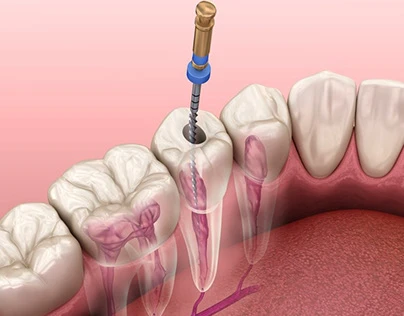
Many people ask, what is root canal treatment and why do dentists recommend it? Simply put, it is a procedure used to remove infected or damaged tissue from inside a tooth. Once the infection is removed, the tooth is cleaned, disinfected, and sealed to prevent further problems. The goal is to save the natural tooth rather than remove it.

Why Does a Tooth Become Infected?
A tooth contains a soft inner area called the pulp. This pulp contains nerves, blood vessels, and connective tissues that help the tooth develop. When bacteria enter the pulp through deep decay, cracks, or injuries, an infection can develop.
Common causes of tooth infections include:
- Untreated cavities
- Cracked or chipped teeth
- Dental trauma
- Worn-out fillings
- Severe gum disease
Without treatment, the infection can continue to spread and cause serious complications.
Signs You May Need Treatment
Recognizing the symptoms of an infected tooth early can help you seek treatment before the condition worsens.
Some common signs include:
Persistent Tooth Pain
A constant toothache is often one of the first signs of infection. The pain may become more severe over time.
Sensitivity to Temperature
Sharp pain when drinking hot coffee or eating cold foods may indicate damage to the inner tooth structure.
Swollen Gums
Swelling around a specific tooth can be a sign that infection is present.
Pain While Chewing
An infected tooth may become sensitive when pressure is applied during eating.
Tooth Discoloration
A darkened tooth may indicate damage to the pulp inside the tooth.
Bad Breath or Bad Taste
Infections can sometimes cause unpleasant odors or tastes that do not go away with brushing.
How Root Canal Treatment Works
Root canal treatment is designed to eliminate infection while preserving the natural tooth. The procedure is usually completed in one or two visits, depending on the condition of the tooth.
The treatment generally involves the following steps:
Examination and Diagnosis
Your dentist will examine the tooth and may take X-rays to determine the extent of the infection.
Local Anesthesia
The area is numbed to ensure comfort during the procedure.
Removal of Infected Tissue
A small opening is created in the tooth so the infected pulp can be removed.
Cleaning and Disinfection
The inside of the tooth is carefully cleaned and disinfected to eliminate bacteria.
Sealing the Tooth
The cleaned canals are filled and sealed to prevent future infection.
Restoration
In many cases, a dental crown is placed over the treated tooth to restore strength and function.
Is Root Canal Treatment Painful?
One of the biggest myths about root canal treatment is that it is extremely painful. In reality, modern dental techniques and local anesthesia make the procedure comfortable for most patients.
Many people compare the experience to having a routine filling. In fact, root canal treatment often relieves the pain caused by the infection rather than creating additional discomfort.
Benefits of Saving Your Natural Tooth
Whenever possible, dentists prefer to save natural teeth because they provide the best function and appearance.
Some benefits include:
- Maintaining natural chewing ability
- Preserving jawbone structure
- Preventing neighboring teeth from shifting
- Keeping your natural smile intact
- Avoiding more complex replacement procedures
Saving a natural tooth is often the most effective long-term solution for dental health.
Recovery After Treatment
Most patients return to their normal activities shortly after treatment. Mild sensitivity for a few days is common, but it usually improves quickly.
To support recovery:
- Follow your dentist's instructions
- Avoid chewing hard foods on the treated tooth initially
- Maintain good oral hygiene
- Attend follow-up appointments if recommended
With proper care, a treated tooth can last for many years.
Conclusion
Tooth infections should never be ignored. Early treatment can stop the infection from spreading and help preserve your natural smile. If you are experiencing persistent tooth pain, swelling, or sensitivity, seeking professional dental care as soon as possible is important. For those wondering what is root canal treatment, it remains one of the most effective and reliable ways to save an infected tooth and restore long-term oral health.
FAQs
What is root canal treatment used for?
It is used to remove infection or damage from inside a tooth while preserving the natural tooth structure.
How long does root canal treatment take?
Most procedures can be completed in one or two dental visits, depending on the complexity of the case.
Is root canal treatment safe?
Yes. It is a common and highly successful dental procedure that has been performed safely for many years.
Can I eat after root canal treatment?
Yes, but it is usually recommended to wait until the numbness wears off and avoid hard foods for a short period.
How successful is root canal treatment?
Root canal treatment has a high success rate, and many treated teeth can last a lifetime with proper care and regular dental check-ups.






























Sign in to leave a comment.