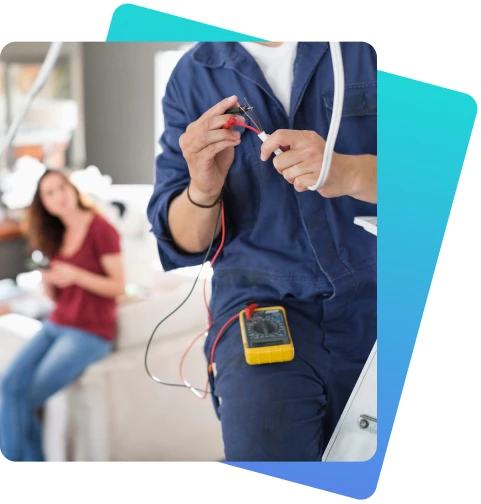

Whether you're constructing a new home, renovating, or simply upgrading your power supply, ensuring your electrical setup is both safe and compliant is non-negotiable. In Australia, stringent regulations exist to protect homeowners, tenants, and tradespeople from the hazards associated with faulty wiring and substandard installations. From understanding the importance of proper circuit design to choosing the right professional for the job, there's a lot to consider.
Take, for example, someone in Perth looking to install new lighting or update their switchboard. It's crucial to consult a licensed professional. An Electrician in North Perth who is familiar with the local codes and regulations can ensure the job is done safely and to standard. Even a seemingly small oversight—like an incorrect cable connection—can lead to significant safety issues down the line.
This article dives deep into what every property owner or builder needs to know about creating a safe and compliant electrical setup. Whether you're in the suburbs or the outback, the principles remain consistent—compliance, safety, and quality workmanship are key.
Key Points
- Understanding Australian electrical standards and why they matter
- The role of licensed electricians in ensuring compliance
- Common risks and hazards in unsafe electrical setups
- Importance of regular inspections and testing
- Best practices for residential and commercial installations
- How to recognise substandard or illegal electrical work
Understanding Australian Electrical Standards
Every electrical installation in Australia must comply with the AS/NZS 3000 Wiring Rules, also known as the Australian/New Zealand Wiring Rules. These regulations set out the minimum safety requirements for the design, construction, and verification of electrical installations.
The primary objective of these standards is to protect people, property, and livestock from electric shocks, fires, and other hazards. Key provisions include:
- Correct sizing of cables and wiring for specific loads
- Mandatory use of Residual Current Devices (RCDs)
- Earthing and bonding requirements
- Clearances between electrical installations and water sources
Failing to meet these standards can result in fines, voided insurance policies, or worse—serious injury or death.
Why You Need a Licensed Electrician
In Australia, it's illegal for anyone without the appropriate licence to carry out electrical work. This includes tasks as seemingly simple as changing a power point or installing a ceiling fan. Licensed electricians undergo years of training and are regularly assessed to ensure their work meets national standards.
When hiring an electrician, always ensure they're registered with your state’s electrical licensing body. In Western Australia, for instance, all electrical workers must be licensed by EnergySafety WA.
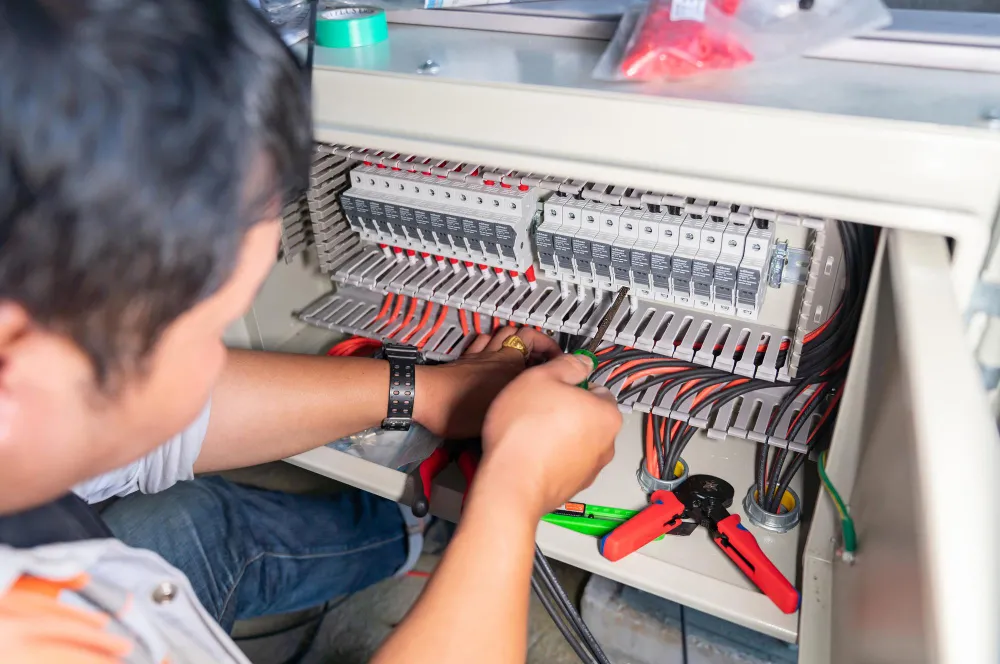
What a Licensed Electrician Brings to the Table
- Expertise in interpreting and applying the AS/NZS 3000 Wiring Rules
- Access to the right tools and testing equipment
- Insurance coverage protecting both the worker and the property owner
- Compliance certificates issued upon job completion
Identifying Potential Electrical Hazards
Recognising early signs of electrical issues can prevent disasters. Common indicators of unsafe electrical setups include:
- Frequent tripping of circuit breakers
- Buzzing sounds from outlets or switchboards
- Discoloured switch plates or plugs
- Overheating appliances or extension cords
- Flickering lights, especially when using high-powered devices
If you notice any of these symptoms, it’s essential to have a professional inspection carried out immediately. Ignoring them can lead to fires, electric shocks, or significant equipment damage.
Safety Devices: Your First Line of Defence
Modern electrical systems are designed with multiple safety layers. These include devices that monitor, limit, or disengage power to prevent accidents. Some of the most critical ones are:
Residual Current Devices (RCDs)
RCDs detect imbalances in current flow and shut off power within milliseconds to prevent electric shocks. In Australia, RCDs are mandatory in all new residential constructions and for any modifications to existing circuits.
Circuit Breakers
These protect against overloads and short circuits by interrupting the flow of electricity when current exceeds safe levels. They’re a staple in both residential and commercial switchboards.
Surge Protection
Especially relevant in areas prone to lightning, surge protectors prevent voltage spikes from damaging appliances and installations.
Regular Electrical Inspections and Testing
Like any system, electrical installations degrade with time. Regular inspections can help identify wear and tear, corrosion, or outdated components before they become safety issues.
For residential properties, it’s generally recommended to have a full inspection every 5 to 10 years, or when:
- Buying or selling a property
- Renovating or extending your home
- Experiencing frequent electrical issues
Commercial and industrial properties often require even more frequent checks to comply with workplace safety regulations and protect equipment investments.
Safe Design Principles for Electrical Setups
Designing an electrical system goes beyond simply connecting wires. It involves thoughtful planning around safety, energy efficiency, and future scalability. Some best practices include:
- Separating high-voltage and low-voltage circuits to reduce interference
- Ensuring adequate circuit capacity for current and future needs
- Installing accessible switchboards and isolation points
- Using weather-rated components in outdoor or damp environments
- Labeling all circuits clearly
Signs of Non-Compliant Work
Unfortunately, not all electrical work meets the required standards. Identifying non-compliant installations can help avoid costly rectifications or hazards later. Watch out for:
- Unlabelled switchboards or missing RCDs
- Loose or exposed wiring
- Improvised cable joins or lack of junction boxes
- Unauthorized modifications or DIY work
If in doubt, call in a licensed electrician to inspect and provide a compliance certificate. Remember, electrical compliance isn’t just a legal requirement—it’s a matter of safety.
Electrical Safety in Renovations and New Builds
Construction and renovation projects are key moments to ensure electrical safety. From the outset, involve a licensed electrician in the planning phase. They’ll ensure your designs consider:
- Load balancing across circuits
- Correct placement of outlets and switchboards
- Smart wiring for home automation or future upgrades
- Energy-efficient lighting and appliance choices
Compliance certificates must be obtained and retained for all new or altered installations. These are often required during council inspections and for future property transactions.
Energy Efficiency and Compliance
Electrical compliance doesn’t just concern safety. Increasingly, energy efficiency is a regulatory and economic priority. By integrating efficient appliances, LED lighting, and even solar systems, you can reduce household consumption and meet environmental requirements.
New homes may also be subject to compliance under the National Construction Code (NCC) and state-based sustainability mandates, which include provisions for electrical system design.
FAQs: Safe and Compliant Electrical Setups in Australia
Do I need a licensed electrician to change a light fitting?
Yes. In Australia, any electrical work that involves wiring or connection to the main supply must be carried out by a licensed electrician. Changing a lightbulb is fine, but anything beyond that requires a professional.
What is an RCD and why is it important?
A Residual Current Device (RCD) protects against electric shocks by quickly cutting off power when an imbalance is detected. It’s a life-saving device and mandatory in virtually all Australian homes and businesses.
How often should I have my home’s electrical system inspected?
It’s recommended to have a comprehensive inspection every 5 to 10 years or immediately if you notice warning signs like tripping breakers or flickering lights. Inspections are also essential when buying, selling, or renovating a property.
What is a compliance certificate and do I need one?
A compliance certificate confirms that electrical work has been completed to the legal standard. Licensed electricians issue these after completing installations or upgrades. They’re essential for insurance, resale, and safety records.
Can I install my own solar panels?
No. Solar installations must be handled by accredited installers and electricians to ensure they comply with both Australian safety standards and the Clean Energy Council guidelines.
Is DIY electrical work ever allowed?
No. DIY work is not only dangerous but illegal. Even minor tasks like replacing a power point or installing a new fan must be done by a licensed professional. Penalties for illegal work can be severe, including fines and potential criminal charges.
What signs indicate that my switchboard needs upgrading?
Old ceramic fuses, lack of RCDs, frequent overloads, or buzzing noises are all signs your switchboard may be outdated. Upgrading ensures your system can handle modern electrical loads and improves overall safety.
Are there specific regulations for rural or remote properties?
Yes. While the core standards apply nationwide, rural setups may require additional considerations such as protection from lightning, generator integration, or off-grid compliance. Always consult a qualified electrician familiar with remote area installations.
Who do I contact to report unsafe or illegal electrical work?
Each state has a regulator. In Western Australia, EnergySafety WA handles complaints and inspections. In other states, contact your local electrical authority or consumer protection agency.



















Sign in to leave a comment.