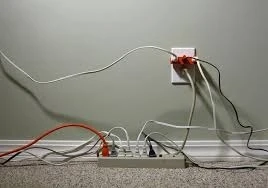

Electrical safety is a critical aspect of homeownership in Australia, yet many property owners often overlook the signs of faulty wiring until it's too late. Faulty wiring is not just an inconvenience—it can pose serious safety risks including electrical shocks, property damage, or even house fires. Whether you’re living in a heritage home in Melbourne or a newly built house in Dalkeith, recognising the early signs of electrical issues can save lives and prevent costly repairs.
For those residing in Western Australia, especially in areas like Dalkeith, having access to a licensed Electrician in Dalkeith is crucial when it comes to diagnosing and fixing electrical faults safely and efficiently.
Key Points
- Learn the warning signs of faulty wiring in Australian homes.
- Understand the risks associated with outdated or damaged electrical systems.
- Discover practical steps to inspect and address electrical issues.
- Know when to call a licensed electrician for a professional assessment.
- Stay compliant with Australian electrical safety standards.
Why Faulty Wiring is a Serious Concern in Australia
Australia experiences a range of climates, from humid coastal conditions to dry, arid interiors—all of which can affect the integrity of electrical systems over time. In older properties, particularly those built before the 1980s, wiring may not meet modern safety standards. Aluminium wiring, decaying insulation, and DIY installations are still present in many homes, posing hidden dangers.
According to Fire & Rescue NSW, electrical faults are one of the leading causes of residential fires. Recognising the signs of faulty wiring can help you take preventive measures before things escalate.
Common Signs of Faulty Wiring
1. Frequent Circuit Breaker Tripping
Circuit breakers are designed to protect your home by cutting off power when a fault is detected. While an occasional trip might be harmless, frequent tripping usually points to underlying issues such as overloaded circuits or short circuits. This is a red flag that your wiring may be faulty or outdated.
2. Flickering or Dimming Lights
Lights that flicker or dim unexpectedly, especially when larger appliances are in use, could indicate a wiring issue. This often suggests that your electrical system is struggling to meet the demand or that connections are loose within the circuitry.
3. Burning Smells or Discoloured Outlets
A persistent burning smell or brownish discolouration around power points are serious warning signs. These typically result from loose connections, overheated wires, or melting insulation—all of which represent potential fire hazards.
4. Buzzing Sounds
If you hear buzzing or humming from switches or outlets, it could be due to faulty wiring or poor grounding. Electricity should be silent; unusual noises often point to arcing or exposed wire connections.
5. Shocks When Touching Switches or Appliances
Minor shocks when touching devices or wall switches can be a result of improper grounding or live wires coming into contact with metal components. This is not only dangerous but also a clear indication that your wiring needs urgent attention.
6. Outdated Wiring Types
Homes built before the 1980s may still have knob-and-tube or aluminium wiring, both of which are prone to deterioration and are no longer compliant with current Australian standards. If you're unsure about your property’s wiring type, it’s best to have it inspected by a licensed electrician.
Understanding Australian Wiring Standards
Australia's electrical wiring regulation is governed by AS/NZS 3000:2018, also known as the Wiring Rules. This standard outlines the minimum requirements for safe electrical installations across Australia and New Zealand. If your property’s wiring does not comply with this code, you may be legally required to upgrade it—especially when undergoing renovations or selling the home.
DIY Electrical Work: What You Can and Can’t Do
In Australia, it is illegal for unlicensed individuals to perform most types of electrical work, including rewiring or replacing power points. DIY electrical work not only risks your safety but can also void your home insurance policy. Always hire a licensed electrician to perform any tasks involving the electrical system of your property.
When to Call a Licensed Electrician
While spotting the signs of faulty wiring is something any homeowner can do, diagnosing and repairing such faults should be left to the professionals. Here are situations when you should call a licensed electrician:
- You notice any of the warning signs outlined above.
- You’re buying or renovating a property, particularly an older home.
- Your circuit panel hasn’t been inspected in over 10 years.
- You need to install new appliances that require extra power capacity.
How Electricians Diagnose Faulty Wiring
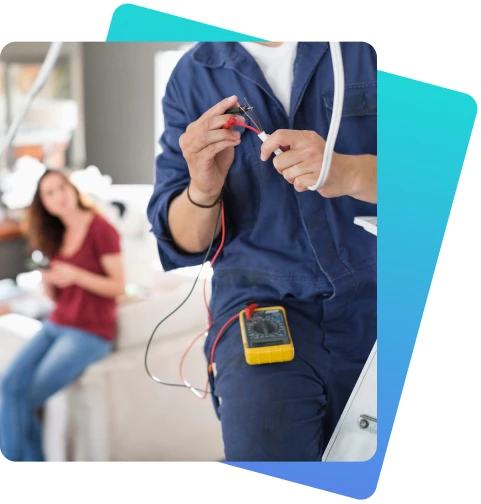
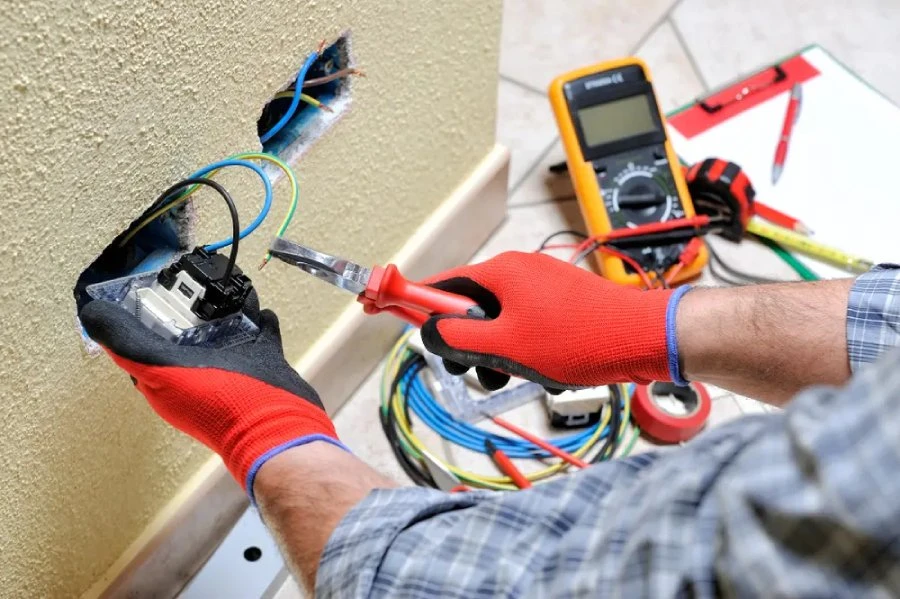
Licensed electricians use a combination of tools and expertise to diagnose wiring issues. These may include:
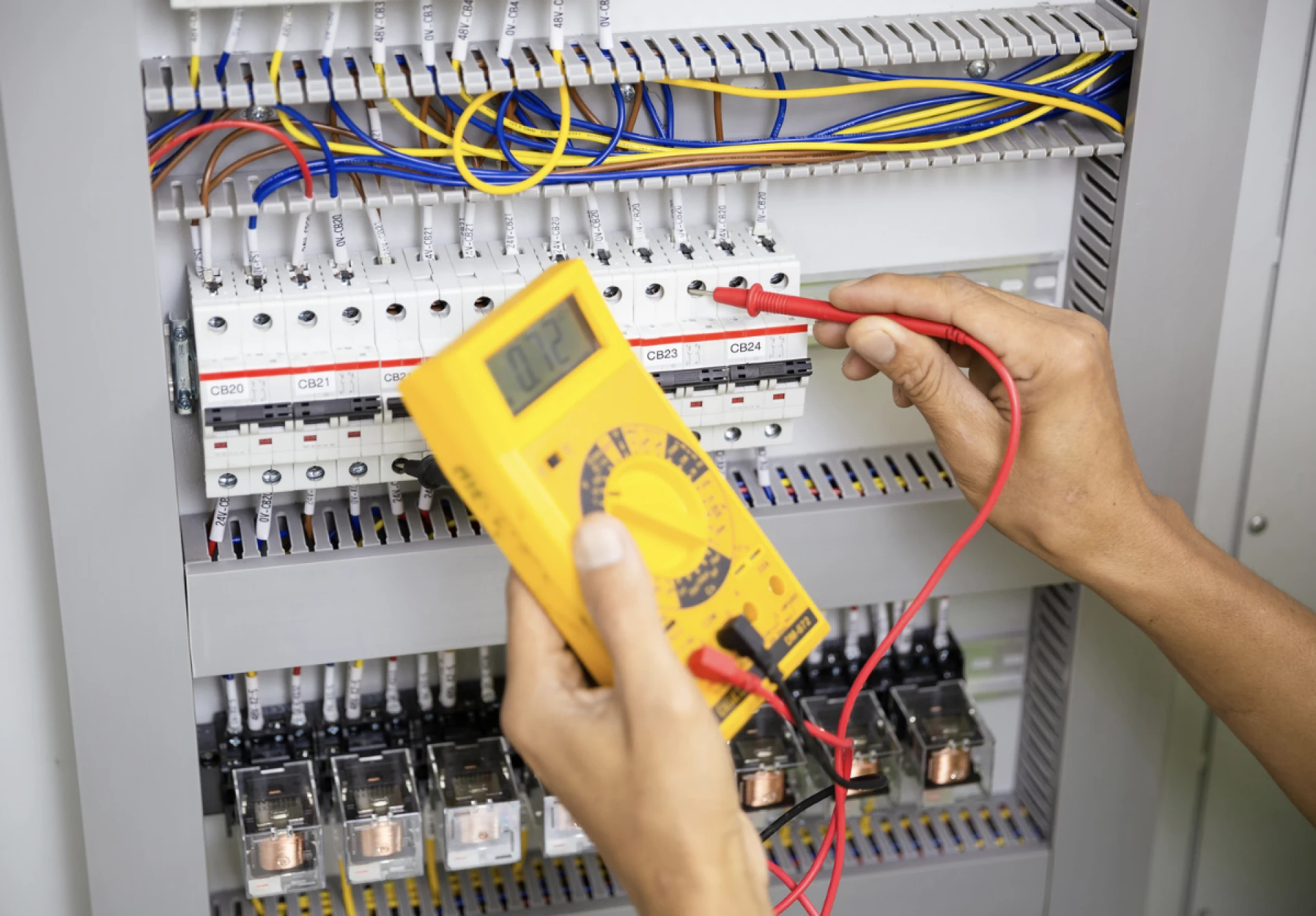
- Multimeters: To test voltage, resistance, and continuity of circuits.
- Thermal imaging cameras: Useful for detecting hot spots in wires or circuit breakers.
- Insulation resistance testers: To evaluate the condition of wire insulation.
- Visual inspection: Examination of wiring, junction boxes, and switchboards for visible damage.
Preventative Measures to Avoid Faulty Wiring
1. Schedule Regular Electrical Inspections
Have a qualified electrician inspect your home’s wiring every 5 to 10 years. This is especially important for older properties or after severe weather events.
2. Replace Damaged Power Points and Switches
Cracked or discoloured outlets should be replaced immediately. These are often signs of internal electrical damage and can lead to short circuits or fire.
3. Avoid Overloading Circuits
Be mindful of how many appliances are plugged into a single outlet or power board. Overloading can cause overheating and lead to wiring damage over time.
4. Upgrade the Switchboard
Modern switchboards come with safety switches (RCDs) that cut off power instantly during a fault. If your switchboard is outdated, upgrading it can vastly improve the safety of your electrical system.
Cost of Fixing Faulty Wiring in Australia
The cost of electrical repairs can vary based on the severity of the issue, the size of your property, and your location. On average, Australians can expect to pay:
- $80–$130 per hour for a licensed electrician
- $200–$800 for minor repairs and replacements
- $2,000–$10,000+ for full home rewiring
It's always best to get multiple quotes and verify the electrician’s license before proceeding with any work.
FAQs About Faulty Wiring
Q: How do I know if my house has old wiring?
A: Common signs include frequent breaker trips, flickering lights, fabric-insulated wires, and outdated fuse boards. A licensed electrician can confirm through an inspection.
Q: Is faulty wiring covered by home insurance in Australia?
A: It depends on the policy. Most insurers will cover damage caused by faulty wiring (e.g., fire), but not the cost of repairs if the issue stems from negligence or non-compliance with safety codes.
Q: Can I rewire my home myself?
A: No. Australian law requires all electrical work to be carried out by a licensed electrician. DIY electrical work is illegal and can void warranties and insurance.
Q: How long does home wiring last?
A: Modern copper wiring can last anywhere from 50 to 70 years. However, insulation materials may degrade sooner, necessitating rewiring or updates.
Q: What’s the difference between a circuit breaker and a safety switch?
A: A circuit breaker protects wiring and appliances from overcurrent, while a safety switch (RCD) protects people by cutting power if it detects a leak to earth—such as when someone receives an electric shock.
Q: How often should I have my home inspected for electrical issues?
A: For most homes, an inspection every 5–10 years is recommended. However, older homes or properties with frequent issues may require more regular checks, and scheduling assessments with Electric Blue Solutions ensures your electrical system remains safe, compliant, and reliable.


















Sign in to leave a comment.