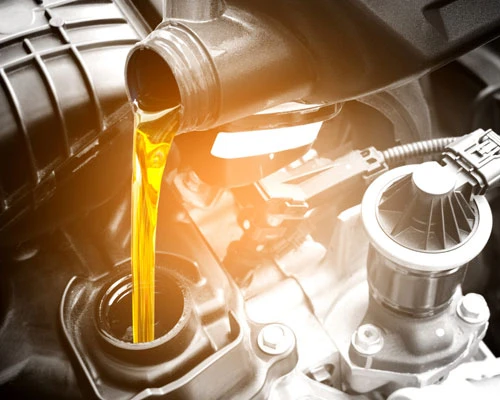

Heavy-duty equipment works in environments where stress, heat, pressure, dust, and long operating hours are part of daily reality. In such conditions, lubrication is not a routine maintenance task but a critical factor that directly impacts productivity, safety, and operating costs. Choosing the right lubricant can mean the difference between smooth performance and unexpected downtime. In the world of industrial machinery, transport fleets, and construction equipment,SWEPCO lubricants have gained recognition as a reliable solution for demanding applications where performance cannot be compromised.
Modern equipment owners and maintenance teams look beyond basic lubrication. They want products that extend service intervals, protect components under extreme loads, and contribute to long-term equipment health. Understanding why certain lubricants are preferred requires a closer look at how heavy-duty machinery operates and what it truly needs to perform at its best.
Understanding the Demands of Heavy-Duty Equipment
Heavy-duty machines are engineered to perform tasks that lighter equipment simply cannot handle. These machines often operate continuously under high loads, extreme temperatures, and harsh environmental conditions.
High Load and Pressure Conditions
Gearboxes, bearings, and hydraulic systems in heavy machinery are constantly exposed to intense pressure. When lubricants fail to maintain a stable film under load, metal-to-metal contact occurs, leading to accelerated wear and potential component failure. A lubricant designed for heavy-duty use must maintain its protective qualities even when pressure spikes unexpectedly.
Extreme Temperature Variations
Equipment may operate in hot outdoor environments, enclosed industrial settings, or regions with fluctuating temperatures. Lubricants must resist thermal breakdown, maintain viscosity stability, and continue protecting parts whether conditions are hot or cold. Temperature stability plays a major role in preventing oxidation and sludge formation.
Contamination and Harsh Environments
Dust, moisture, and debris are unavoidable in industries such as mining, construction, and agriculture. A lubricant that resists contamination and maintains performance in dirty conditions can significantly reduce maintenance frequency and extend component life.
Why Lubrication Quality Matters More Than Ever
The cost of equipment downtime goes far beyond repair bills. Lost productivity, delayed projects, and increased labor costs all add up quickly. High-quality lubrication contributes to operational efficiency in several important ways.
Reduced Wear and Extended Equipment Life
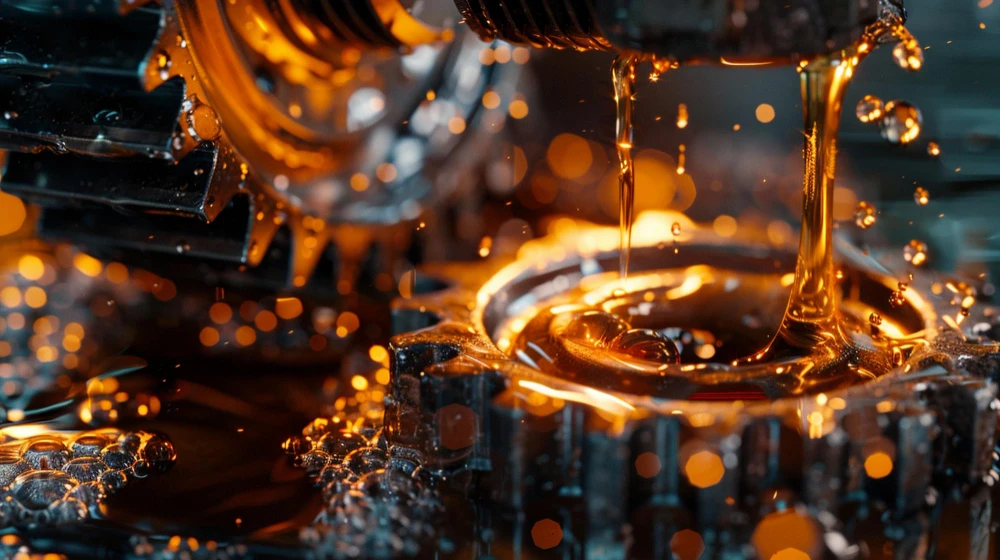
Premium lubricants form a consistent protective layer on metal surfaces, reducing friction and minimizing wear. Over time, this protection translates into longer component life and fewer replacements.
Improved Energy Efficiency
When friction is reduced, machines operate more efficiently. Lower resistance means less energy is required to perform the same task, resulting in fuel or power savings across the equipment lifecycle.
Predictable Maintenance Planning
Reliable lubricants help stabilize maintenance schedules. Instead of reacting to failures, operators can plan servicing based on predictable intervals, which improves budgeting and reduces unexpected downtime.
Performance Characteristics That Set Premium Lubricants Apart
Not all lubricants are created equal. What separates premium products from standard options is a combination of formulation, consistency, and proven performance in real-world conditions.
Advanced Additive Technology
Additives play a crucial role in enhancing lubricant performance. They help prevent oxidation, reduce corrosion, improve load-carrying capacity, and protect against wear. High-performance formulations balance these additives carefully to avoid breakdown over time.
Strong Film Strength
Film strength determines how well a lubricant can keep metal surfaces separated under load. Strong film strength is essential in heavy-duty applications where sudden shock loads are common.
Resistance to Oxidation and Breakdown
Oxidation leads to thickening, sludge formation, and loss of protective properties. Lubricants that resist oxidation remain effective for longer periods, especially in high-temperature environments.
Applications Where Performance Makes a Difference
Heavy-duty lubricants are used across a wide range of industries, each with unique operational challenges.
Construction and Earthmoving Equipment
Bulldozers, excavators, and loaders operate under constant stress and exposure to dirt and debris. Reliable lubrication helps prevent premature wear in joints, bearings, and drive systems.
Industrial Manufacturing Machinery
In manufacturing plants, equipment downtime can disrupt entire production lines. High-quality lubrication ensures consistent operation of gear systems, conveyors, and hydraulic units.
Transportation and Fleet Operations
Trucks, buses, and off-road vehicles rely on durable lubrication to handle long hours, heavy loads, and varying road conditions. This is where automotive lubricants designed for heavy-duty performance play a vital role in protecting engines and drivetrains.
Consistency and Reliability Over Time
One of the most valued traits in premium lubricants is consistency. Equipment operators need confidence that performance today will match performance months or years down the line.
Long Service Intervals
High-quality formulations allow for extended service intervals without sacrificing protection. This reduces labor costs and minimizes the frequency of oil changes or grease applications.
Stable Performance Under Stress
Consistency under stress ensures that lubrication performance does not degrade when equipment is pushed beyond normal operating limits. This stability is especially important in emergency or peak-demand situations.
Reduced Risk of Unexpected Failure
Reliable lubrication reduces the likelihood of sudden breakdowns caused by friction, heat, or component seizure. This reliability supports safer working environments and smoother operations.
The Role of Lubrication in Cost Control
While premium lubricants may appear more expensive upfront, their long-term value often outweighs the initial cost.
Lower Maintenance and Repair Costs
By reducing wear and preventing damage, quality lubricants help avoid costly repairs and component replacements. Over time, these savings can be substantial.
Improved Asset Utilization
Equipment that spends less time in maintenance is available for productive work. Improved utilization directly impacts project timelines and profitability.
Protection of High-Value Components
Heavy-duty equipment often includes expensive gear assemblies, engines, and hydraulic systems. Protecting these assets with reliable lubrication is a smart investment.
Meeting the Expectations of Modern Equipment Design
As machinery becomes more advanced, lubrication requirements become more specific. Modern equipment often operates at higher pressures and tighter tolerances than older designs.
Compatibility with Advanced Materials
Newer components may use advanced alloys and surface treatments. Lubricants must be compatible with these materials to avoid chemical reactions or surface damage.
Support for High-Performance Systems
Hydraulic systems, transmissions, and engines are designed to deliver maximum output. High-performance lubricants support these systems by maintaining stability under demanding conditions.
Alignment with Preventive Maintenance Strategies
Modern maintenance strategies focus on prevention rather than repair. Consistent lubrication performance aligns perfectly with this approach, reducing the risk of unexpected issues.
Building Trust Through Proven Performance
Over time, equipment operators develop preferences based on real-world results. Lubricants that consistently deliver protection, efficiency, and reliability earn trust across industries. The reputation of swepco lubricants has been shaped by their ability to perform in challenging environments where equipment failure is not an option.
This trust is reinforced when operators see reduced wear, cleaner systems, and longer service life. Performance that can be observed and measured builds confidence and long-term loyalty.
The Broader Perspective on Automotive and Industrial Use
While heavy-duty equipment is often associated with industrial applications, the same performance principles apply to vehicles operating under demanding conditions. From commercial fleets to specialized transport, automotive lubricants designed for heavy-duty use help ensure reliability, safety, and efficiency across diverse applications.
Understanding this overlap highlights the importance of selecting lubricants that meet both industrial and automotive performance expectations, especially in mixed-use environments.
Final Thought
Choosing the right lubricant is a strategic decision that impacts equipment performance, operating costs, and long-term reliability. Heavy-duty machinery demands products that can withstand pressure, heat, and harsh environments without compromising protection. When lubrication delivers consistent performance, extended service life, and reduced downtime, it becomes a critical partner in operational success. Investing in proven lubrication solutions is not just about maintenance. It is about protecting assets, supporting productivity, and ensuring that heavy-duty equipment continues to perform when it matters most.





























Sign in to leave a comment.