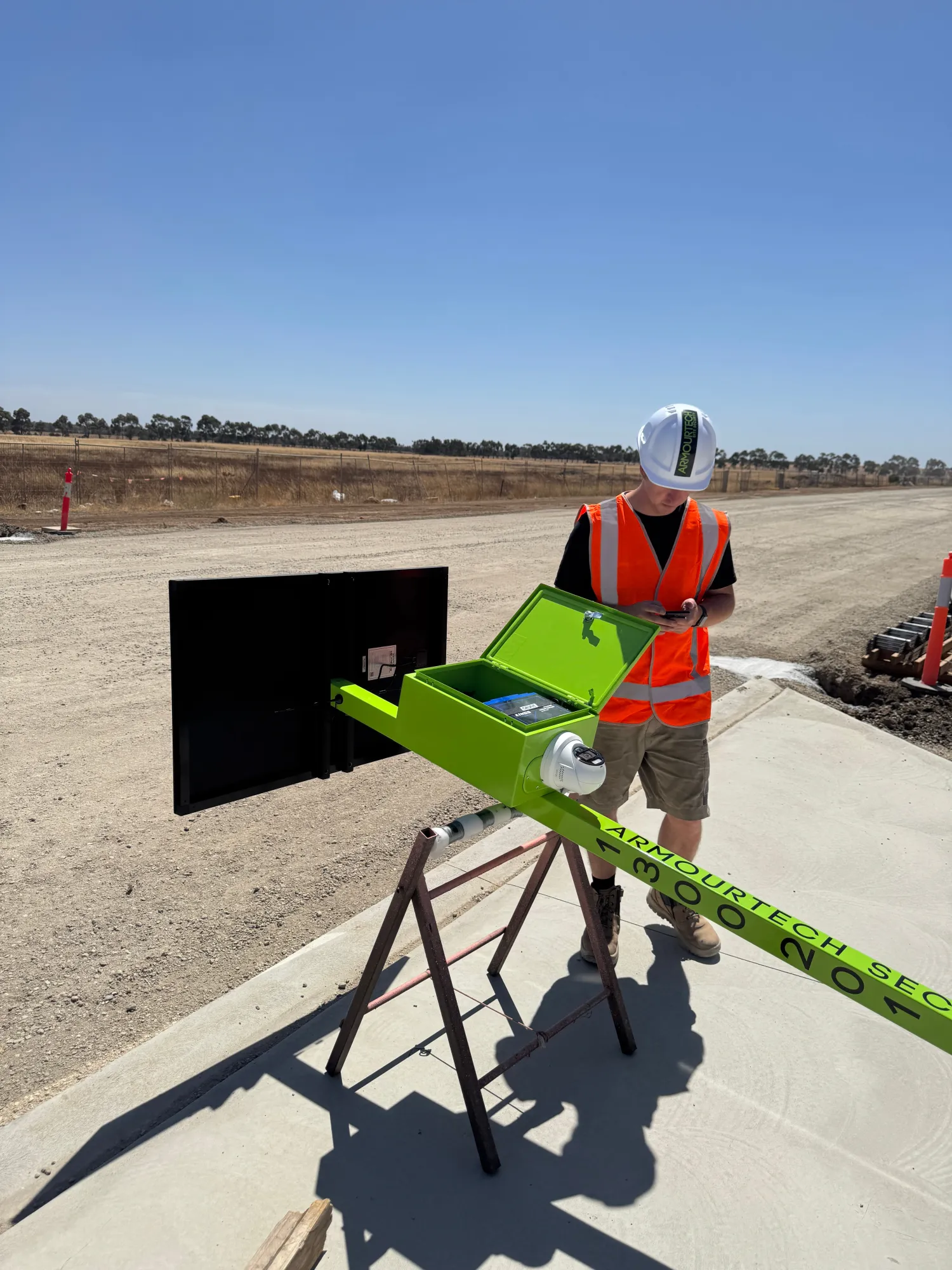

A construction site does not stop being vulnerable just because work has paused. During weekends, public holidays, project delays, or planned shutdowns, valuable equipment and materials can remain unattended for days or even weeks. With fewer people around to notice suspicious activity, having reliable on-site security systems in place can help maintain visibility and deter unauthorised access when the workforce is away.
The right approach will depend on the size of the site, how long it will remain unattended, and the value of the assets being left behind. From temporary surveillance to remote monitoring, several options can help keep a construction site protected during periods of inactivity.
Why Construction Sites Need Security During Shutdowns
When workers leave a site, normal activity comes to a halt, but the security risks do not necessarily disappear. In fact, an empty site can become more attractive to trespassers and thieves because there are fewer people present to detect unusual activity.
A shutdown can leave behind:
- Heavy machinery and vehicles
- Tools and construction equipment
- Building materials
- Fuel and generators
- Temporary offices and storage areas
A security plan for these periods should therefore focus on maintaining visibility and limiting opportunities for unauthorised access.
What Security Risks Increase During a Shutdown?
The risks will vary from one project to another, but unattended sites can face several common challenges.
Theft of Equipment and Materials
Construction equipment and materials can be expensive to replace. Smaller tools may also be easy to remove, while larger machinery can attract attention because of its value.
Without workers present, it may take longer for theft to be noticed. This is why maintaining surveillance during shutdown periods can play an important role in protecting valuable assets.
Unauthorised Access
An empty site may also attract people who have no legitimate reason to be there. Unauthorised visitors can create security concerns, damage property, or enter areas where hazardous materials or equipment are present.
Monitoring entrances, gates, and perimeter areas can help identify activity that would otherwise go unnoticed.
Vandalism and Property Damage
Vandalism can result in repair costs and project delays. Damage to temporary structures, equipment, fencing, or completed work can also create additional problems when construction resumes.
Visible surveillance can act as a deterrent while providing useful footage if an incident occurs.
What Security Measures Should You Consider?
There is no single security solution that suits every construction site. The most effective approach usually combines several measures based on the site's layout, risks, and shutdown period.
Temporary Surveillance Cameras
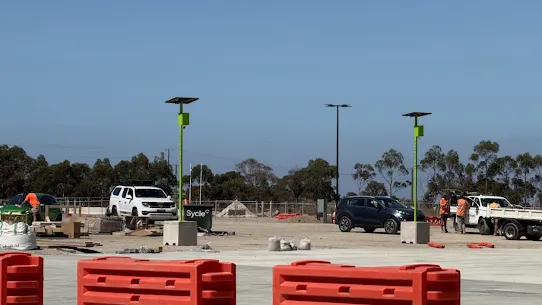
Temporary cameras can be useful when a site is still under construction, and its layout is expected to change. They can be positioned to monitor important areas without requiring a permanent surveillance infrastructure.
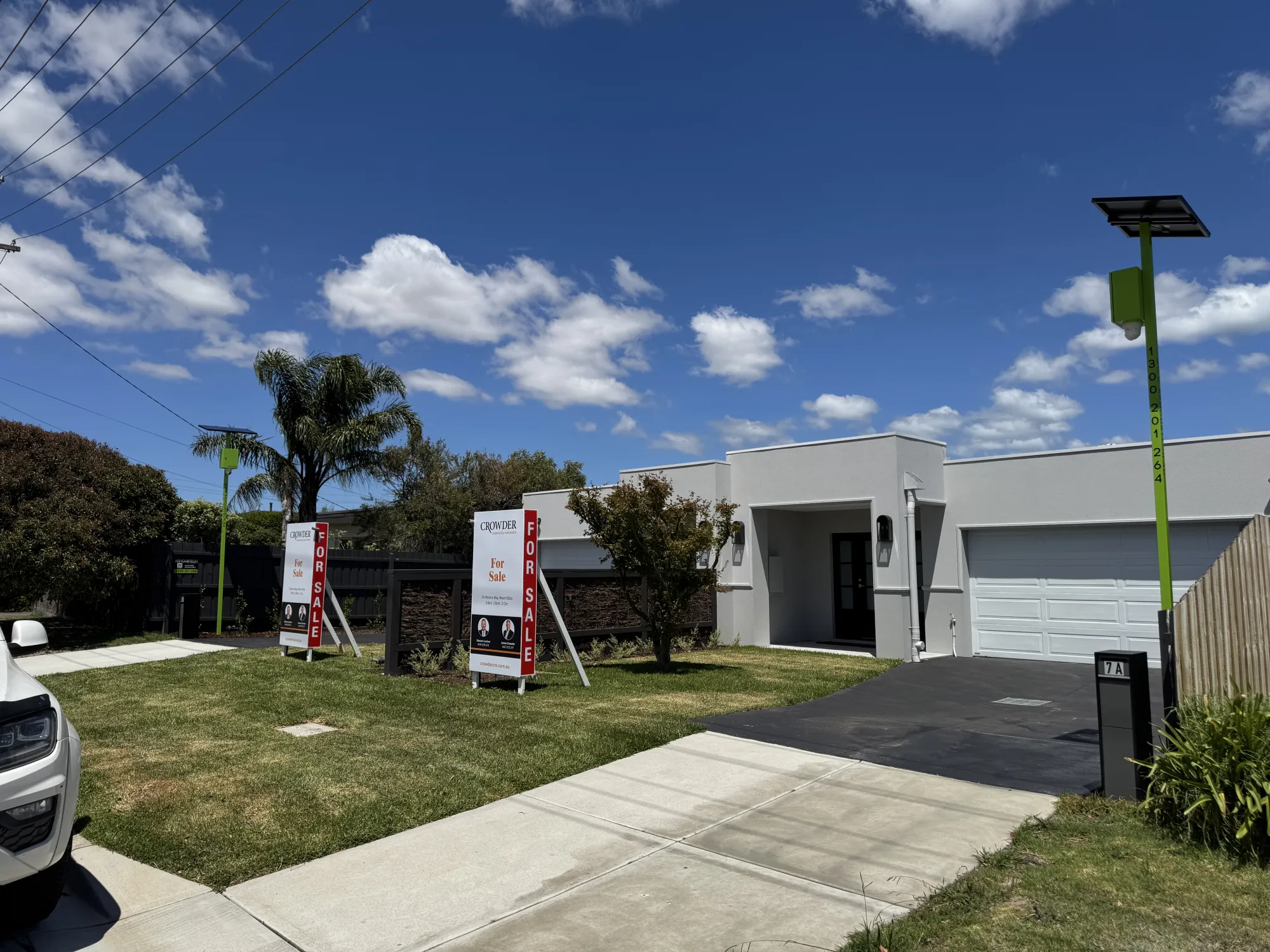
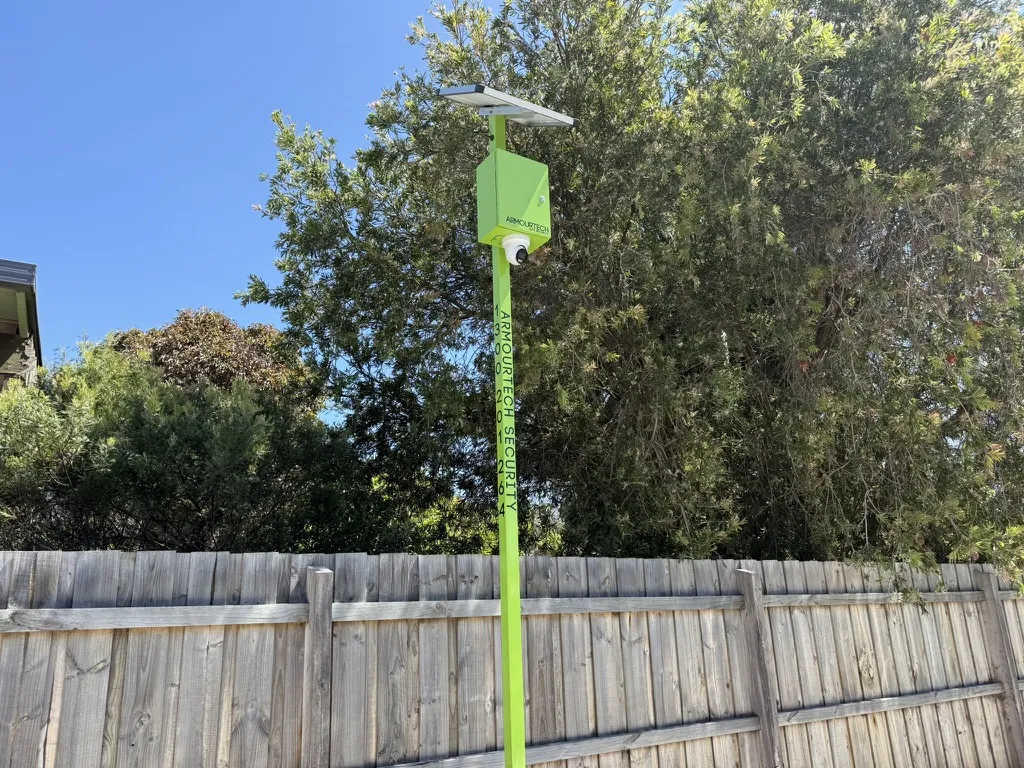
Wireless construction cameras may provide additional flexibility where traditional cabling is difficult or where cameras need to be relocated as work progresses.
Depending on the site, cameras may be positioned around:
- Main entry and exit points
- Equipment storage areas
- Material compounds
- Perimeter fencing
- Temporary buildings
The goal is not necessarily to monitor every part of the site, but to focus surveillance on locations where security risks are greatest.
Is Remote Monitoring Worth Considering?
Cameras can provide valuable footage, but during a shutdown, someone still needs to know when something unusual happens.
This is where monitored site security cameras can provide an additional layer of protection. Instead of relying entirely on someone discovering an incident after the fact, monitored systems can allow activity to be assessed remotely and appropriate action to be taken according to the agreed response process.
This can be particularly useful when:
- The site has been unattended for several days
- The location is isolated
- Valuable equipment is left behind
- There is a history of theft or trespassing
- Staff cannot regularly visit the site
Remote monitoring can also provide greater peace of mind for businesses managing projects from another location.
Don't Forget the Site Perimeter
Perimeter security is particularly important when a construction site is closed. Fences and gates can help control access, but they should also be considered as part of the overall surveillance plan.
Cameras positioned to monitor the perimeter can help identify movement around vulnerable entry points and areas that are difficult to observe from the main site.
It's worth checking for:
- Damaged or weak sections of fencing
- Unsecured gates
- Isolated access points
- Areas hidden from nearby properties or roads
A perimeter review before a shutdown can help identify weaknesses before the site is left unattended.
What About Lighting?
Lighting and surveillance often work together. Poor visibility can make it harder for cameras to capture useful footage, particularly at night.
Before a shutdown, consider whether important areas have sufficient lighting for surveillance. This does not necessarily mean illuminating the entire site. Instead, focus on key locations such as entrances, equipment storage, and areas where unauthorised access is most likely.
The right combination of lighting and camera technology can help improve visibility during hours when the site is empty.
How Long Will the Site Be Unattended?
The length of the shutdown should influence the security plan.
A site closed for a long weekend may have different requirements from one that is inactive for several weeks due to a project delay. Longer shutdowns may require greater attention to equipment, monitoring, system maintenance, and changing security risks.
Before closing the site, it can be useful to consider:
- How long will the site be unattended?
- What valuable assets will remain?
- Who will respond if an incident occurs?
- Are cameras and monitoring systems operational?
- Have access points been checked and secured?
These questions can help ensure security measures remain appropriate throughout the shutdown.
Why a Flexible Security Approach Matters
Construction sites rarely stay the same for long. Equipment moves, new structures are added, and access routes change throughout a project. A security setup that worked during one stage may not be suitable several weeks later.
This is why flexible on-site surveillance can be particularly useful for construction environments. Temporary or relocatable systems can be adjusted as the project develops, helping maintain visibility without relying on a fixed setup that may quickly become outdated.
Building a Shutdown Security Checklist
Before workers leave the site, a simple security review can help reduce avoidable risks.
Consider checking:
- All gates and access points are secured.
- Valuable equipment is stored or positioned safely.
- Cameras are operating correctly.
- Monitoring services are active, where applicable.
- Perimeter fencing is intact.
- Lighting is functioning in key areas.
- Emergency contact details are up to date.
Completing these checks before a shutdown can make it easier to identify potential vulnerabilities while there is still time to address them.
Final Thoughts
A construction shutdown should not mean leaving security to chance. When workers are away, maintaining visibility around key access points, valuable assets, and vulnerable areas can help reduce the opportunities for theft, trespassing, and vandalism. The right combination of temporary surveillance, perimeter protection, lighting, and remote monitoring will depend on the site's specific circumstances.
For businesses managing construction and infrastructure projects, ArmourTech Site Security provides solutions including site surveillance, remote monitoring, and temporary security systems. Reviewing your site's risks before the next shutdown can help you decide what level of protection is appropriate and whether a more flexible security solution is the right fit for the project.
Frequently Asked Questions
1. Should construction sites have security during planned shutdowns?
Yes. Even short shutdowns can leave equipment, materials, and machinery unattended. The level of security required will depend on the site's location, accessibility, value of assets, and length of the shutdown.
2. How can you monitor a construction site when no one is working?
Remote surveillance can help keep an eye on the site while workers are away. Depending on the setup, cameras can provide live visibility and allow activity to be assessed without someone needing to be physically present.
3. Are wireless construction cameras suitable for temporary shutdowns?
They can be a practical option when a site needs flexible surveillance without extensive cabling. Their suitability will depend on factors such as power, connectivity, camera placement, and how the site is expected to change.
4. What areas should be monitored when a construction site is unattended?
Priority areas typically include site entrances, gates, perimeter boundaries, equipment storage areas, material compounds, and other locations where valuable assets are kept or unauthorised access may occur.
5. Is remote monitoring useful during a long construction shutdown?
It can be particularly useful when a site will remain unattended for an extended period. Remote monitoring can provide ongoing oversight and help ensure suspicious activity is identified rather than waiting until workers return to the site.























Sign in to leave a comment.