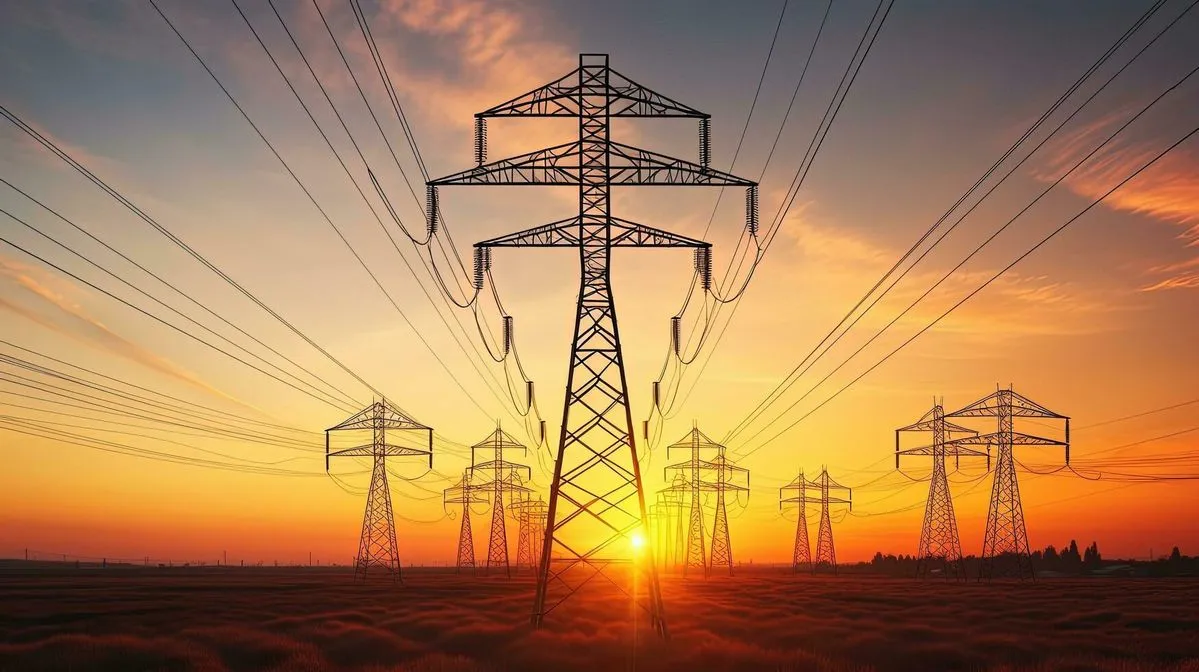

Electricity travels long distances before it reaches homes, factories, offices, and cities. Behind this movement of power stands a network of transmission towers that carry high-voltage lines across different terrains. While these structures often go unnoticed, they play a critical role in keeping power systems connected and reliable.
The demand for strong and dependable infrastructure has increased over the years. As a result, choosing the right Transmission Tower Manufacturers has become more important than ever. Not all manufacturers work at the same level. Some simply produce towers, while others bring engineering expertise, quality control, innovation, and project execution capabilities that make a real difference.
So what separates leading transmission tower manufacturers from the rest? The answer goes far beyond production capacity.
Engineering Strength Makes the First Difference
A transmission tower is not just a steel structure assembled from standard parts. Every project comes with its own technical requirements. Factors such as wind speed, terrain conditions, conductor load, seismic activity, and environmental exposure all influence tower design.
Top manufacturers invest heavily in engineering capabilities. Their teams work on detailed structural analysis, design optimization, and project-specific solutions. Instead of following a one-size-fits-all approach, they develop designs that match the exact needs of each transmission line.
This engineering expertise helps improve performance while also reducing unnecessary material usage. A well-designed tower is not only stronger but also more efficient.
Quality Is Built Into Every Stage
The quality of a transmission tower depends on much more than the final inspection. It begins with raw material selection and continues through fabrication, galvanization, testing, and dispatch.
Leading manufacturers maintain strict quality standards throughout the production process. Steel procurement is carefully monitored. Fabrication follows precise specifications. Every component is checked before moving to the next stage.
According to industry studies, corrosion is among the major reasons for transmission infrastructure deterioration over time. This is why proper galvanization becomes a critical requirement rather than just an additional process.
Manufacturers that consistently deliver high-quality towers understand that even a small defect in one component can create larger challenges after installation.
Modern Manufacturing Facilities Create Better Results
Walk into a modern manufacturing facility and the difference becomes clear almost immediately.
Advanced machinery, automated production systems, precision cutting equipment, and efficient material handling processes help improve both accuracy and consistency. Human expertise remains essential, but technology helps reduce errors and maintain uniform quality across large production volumes.
Large infrastructure projects often involve thousands of tower components. When manufacturing processes are organized and technologically advanced, project timelines become easier to manage.
Many leading manufacturers continuously upgrade their facilities because they know that infrastructure demands are growing year after year.
Proven Experience Matters
Experience brings something that cannot be purchased overnight.
Manufacturers that have worked across multiple regions and project types gain valuable practical knowledge. They understand common challenges, site-specific requirements, regulatory expectations, and execution risks.
A company that has successfully supplied towers for large transmission projects develops confidence through actual field performance rather than marketing claims.
Past projects often reveal a manufacturer's capability better than any brochure. When a manufacturer has a strong portfolio of completed assignments, it provides reassurance that they can handle complex requirements and deliver under demanding conditions.
Strong Supply Chain Management Creates Reliability
Transmission projects often operate under strict deadlines. Delays in component delivery can affect construction schedules and create additional costs.
This is where supply chain management becomes important.
Top manufacturers maintain efficient procurement networks, inventory systems, logistics planning, and delivery coordination. They understand that manufacturing is only one part of the process. Materials must also reach project sites on time and in the correct sequence.
A strong supply chain helps prevent disruptions and keeps projects moving forward.
Many successful infrastructure projects depend as much on planning and coordination as they do on manufacturing excellence.
Commitment to Safety and Compliance
Transmission towers are expected to perform for decades under challenging conditions. Because of this, compliance with industry standards is not optional.
Leading manufacturers follow national and international specifications, testing procedures, and safety requirements. They conduct regular inspections and maintain documentation throughout the production cycle.
Safety also extends to the workforce. Manufacturers with strong safety cultures invest in training programs, equipment maintenance, and workplace practices that protect employees while ensuring operational efficiency.
This focus on compliance builds trust among utilities, contractors, and project developers.
Ability to Handle Large-Scale Projects
Not every manufacturer has the capacity to support major transmission infrastructure developments.
Large projects require significant production capability, resource planning, technical coordination, and project management expertise. Meeting these demands requires more than factory space. It requires organizational strength.
Top manufacturers can scale production without compromising quality. They have systems in place to manage multiple projects simultaneously while maintaining delivery commitments.
This capability becomes particularly valuable as countries continue expanding power transmission networks to support industrial growth and increasing energy demand.
Focus on Innovation and Continuous Improvement
Infrastructure requirements continue to evolve. New technologies, environmental considerations, and efficiency expectations influence how transmission systems are designed and built.
The best manufacturers never stop improving.
They explore better design methods, stronger materials, enhanced corrosion protection techniques, and smarter production practices. Some invest in research and development programs to identify opportunities for long-term improvement.
Innovation does not always mean dramatic changes. Sometimes small process improvements lead to significant gains in quality, efficiency, or reliability.
Manufacturers that embrace continuous improvement remain competitive while delivering greater value to their clients.
Customer Support Beyond Manufacturing
The relationship does not end once tower components leave the factory.
Leading manufacturers provide technical assistance, project coordination support, documentation, and communication throughout the project lifecycle. Their teams remain available to address questions, resolve issues, and support successful installation.
This level of engagement creates stronger partnerships rather than simple supplier relationships.
Clients often remember responsiveness and reliability long after a project is completed.
The Real Difference Lies in Consistency
Many manufacturers can produce transmission towers. Far fewer can consistently deliver quality, reliability, engineering expertise, timely execution, and long-term performance across every project they undertake.
That consistency is what truly separates industry leaders from the rest.
When utilities, contractors, and infrastructure developers evaluate manufacturing partners, they look beyond production numbers. They examine experience, quality systems, technical capabilities, project execution records, and commitment to continuous improvement.
Transmission towers form the backbone of power transmission networks. The manufacturers behind them carry a responsibility that extends far beyond steel fabrication. Every tower installed today becomes part of an infrastructure system expected to serve communities, industries, and economies for decades ahead.
























Sign in to leave a comment.