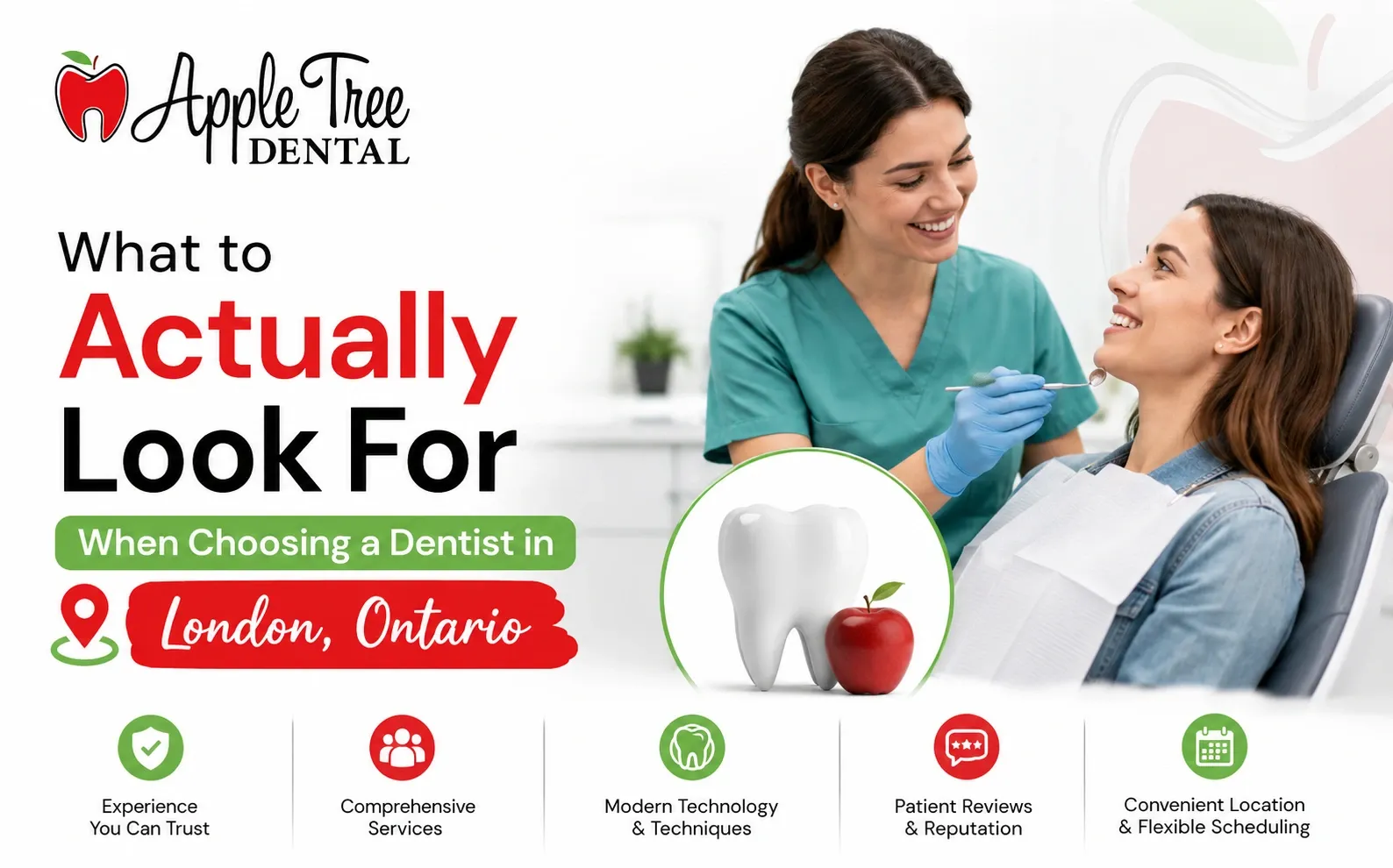

Choosing a dentist in London, Ontario should come down to a few practical factors: RCDSO registration, transparency around treatment planning and pricing, availability for both routine and urgent care, and whether the practice communicates clearly with patients who have dental anxiety or complex needs. Location matters, but it shouldn't be the only deciding factor.
Why "Nearby" Isn't Always "Right"
It's tempting to pick the closest dental office and call it done, especially for a routine cleaning. But dental care isn't always routine — eventually most patients need something beyond a checkup, whether that's a filling, an extraction, or a more involved procedure. At that point, the questions shift: does this practice handle surgical cases in-house, or will I be referred elsewhere? Is there flexibility if something urgent comes up?
London, Ontario has no shortage of dental practices, which makes the decision less about availability and more about fit — matching a practice's scope of services and communication style to what a patient actually needs long-term.
Questions Worth Asking Before Committing
- Is the practice registered with the Royal College of Dental Surgeons of Ontario (RCDSO)?
- Does the office handle extractions and minor oral surgery, or refer out?
- What does scheduling look like for urgent or same-day concerns?
- Are cost estimates provided in writing before treatment begins?
- Does the practice explain procedures clearly, or rush through appointments?
What Credentials Actually Tell You
RCDSO registration is the baseline — it confirms a dentist is licensed to practice in Ontario and subject to the college's standards of care. Beyond that, it's worth noting whether a practice has dentists with additional training in areas like oral surgery, sedation dentistry, or pediatric care, since these specializations affect what can be handled in-house versus what requires a referral.
Patient reviews can offer some insight, but they're often skewed toward extreme experiences — either exceptional or frustrating — rather than the average visit. A more reliable signal is how a practice communicates before treatment: do they explain options clearly, or push toward the most expensive one without context?
The Difference Between a Good Cleaning and a Good Practice
A single good cleaning doesn't tell you much about how a practice handles complexity. The real test comes with less routine situations — a cracked tooth, a child's dental anxiety, a scheduling conflict during an infection. Practices that communicate clearly and offer flexibility in those moments tend to be the ones patients stick with long-term.
Patients comparing options locally often find it useful to review a general overview of what a full-service dentist London Ontario practice offers, including which procedures are handled on-site versus referred elsewhere, before committing to a first appointment.
Scheduling Flexibility Matters More Than It Seems
Routine cleanings are easy to schedule around. The real test is what happens when something unexpected comes up — a cracked filling on a Friday afternoon, a child's fall at school, sudden swelling that wasn't there yesterday. Practices with multiple locations or flexible same-day slots tend to handle these situations far better than single-location offices running at full capacity.
This is worth asking about directly during a first visit or phone consultation, rather than assuming every practice handles urgent cases the same way.
A Simple Framework for Comparing Local Practices
Routine care: Cleanings, checkups, basic fillings — most practices handle this well
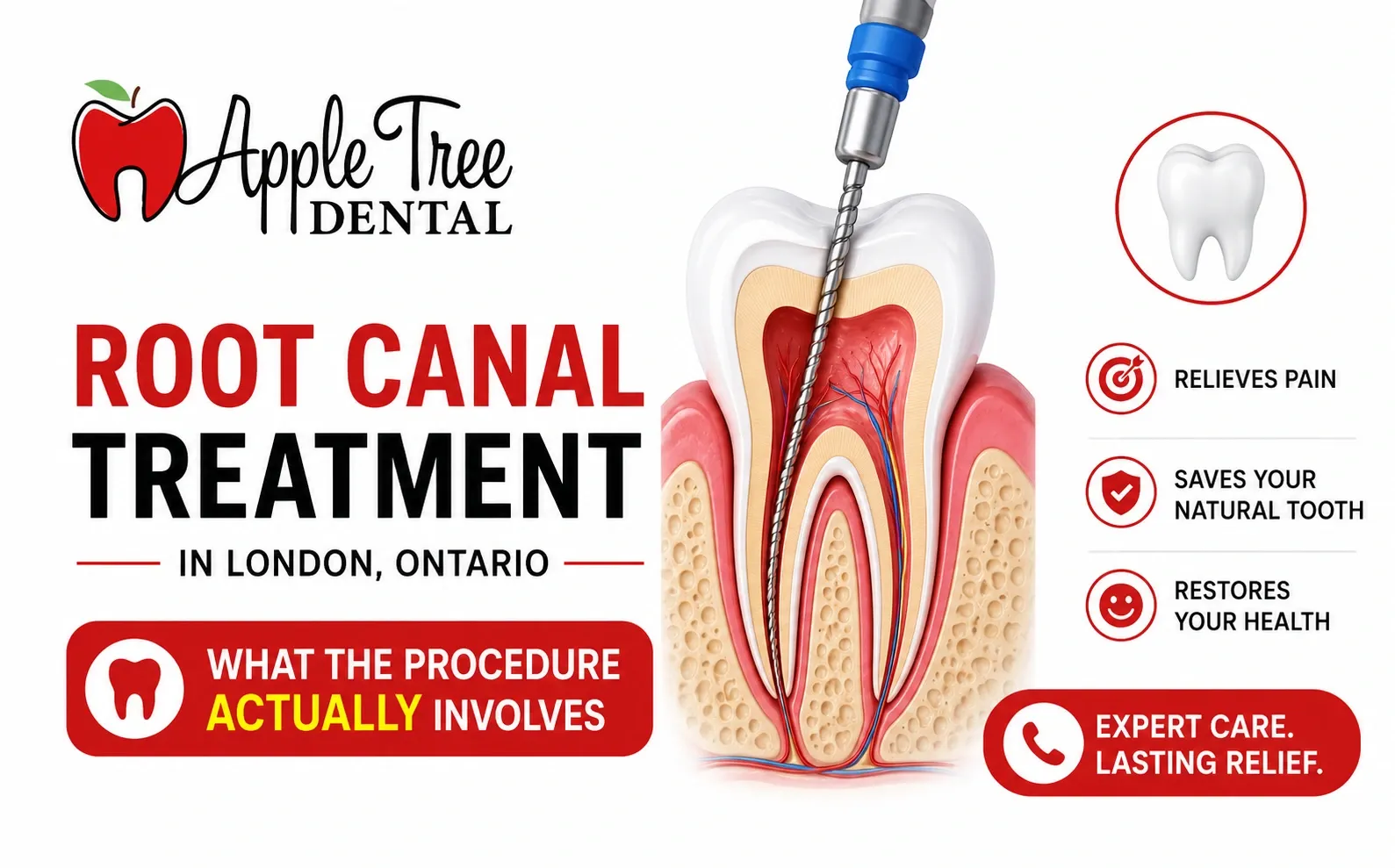
Moderate complexity: Root canals, crowns, extractions — availability varies more here
Urgent or surgical needs: Same-day availability, in-house oral surgery — this is where practices differ most
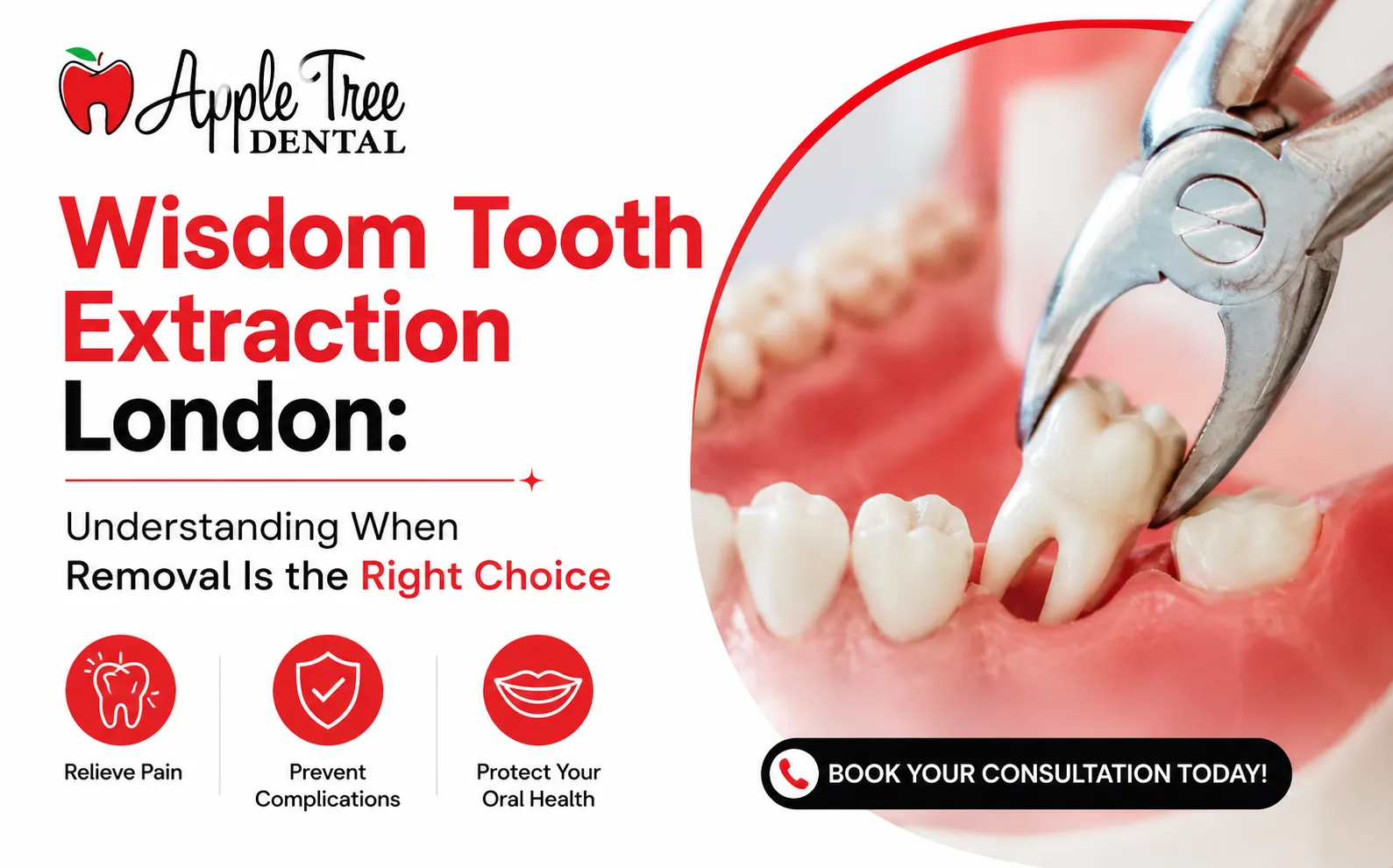
Anyone weighing multiple options nearby may also find it helpful to look at how a practice handles more involved procedures, such as this breakdown of oral surgery and extraction services offered locally, to get a sense of scope before assuming a referral will be necessary.
Insurance and Cost Transparency
Dental insurance coverage varies widely across employer plans in Ontario, and not every practice handles direct billing the same way. Asking about direct billing, written estimates, and payment plans for larger procedures upfront avoids surprises later, particularly for treatments not fully covered by standard plans.
Frequently Asked Questions
Do I need a referral to see a specialist through my dentist?
Not always — general dentists can refer out for complex cases like orthodontics or oral surgery, but many routine procedures are handled entirely in-house at full-service practices.
How often should I actually be seeing a dentist?
Every six months is standard for most patients, though those with gum disease history or ongoing treatment may need more frequent visits.
What if I have significant dental anxiety?
This is worth mentioning during a first call, not just the first appointment. Practices experienced with anxious patients often adjust pacing, explain each step, and offer sedation options where appropriate.
The Bottom Line
Choosing a dentist in London, Ontario is less about finding the closest option and more about finding a practice that handles both routine and unexpected needs well. Asking direct questions about credentials, scope of services, and scheduling flexibility upfront saves a lot of guesswork later.
About the Author
This article was reviewed by the clinical team at Apple Tree Dental, a multi-location dental practice registered with the Royal College of Dental Surgeons of Ontario (RCDSO), serving patients across London, Ontario. The team provides a full range of general and surgical dental care, including extractions, restorative work, and urgent same-day treatment. Apple Tree Dental focuses on transparent patient communication and flexible scheduling across its North and South London locations.





























Sign in to leave a comment.