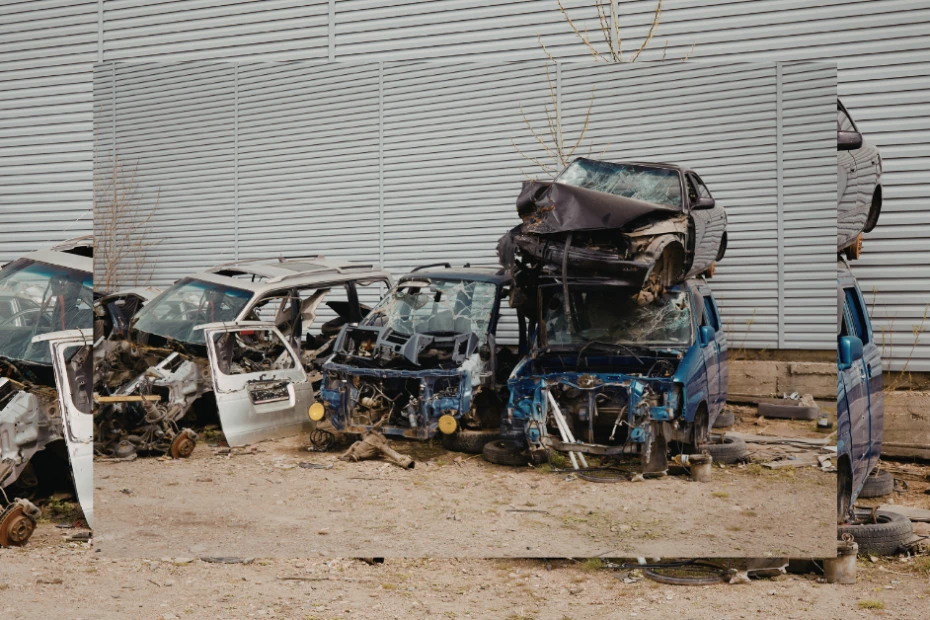

A car sitting in the driveway that will not start becomes a problem. Repair costs may exceed what the vehicle is worth. Selling it through normal channels seems impossible when the engine will not turn over. Many South Africans face this situation with vehicles that have been in accidents, suffered mechanical failures, or simply reached the end of their useful life.
The good news is that options exist for selling damaged cars. Buyers specialise in purchasing vehicles that traditional dealers will not touch. These buyers see value in parts, scrap metal, and repairable units that owners may consider worthless.
Why Cars Become Unsellable Through Normal Channels
Traditional car sales depend on vehicles being drivable. A buyer wants to test drive before committing. A dealer wants to put the car on the lot and let customers take it for a spin. When a car will not start or run properly, these normal processes break down.
Accident damage makes many vehicles hard to sell. Even if the car still runs, visible damage scares off ordinary buyers. Nobody wants to explain dents and scrapes to friends and family. The stigma of buying a damaged car keeps most people away.
Mechanical problems create similar issues. An engine that knocks, a gearbox that slips, or electrical gremlins that cause random failures all make cars unappealing. The cost to fix these problems may exceed what the car would be worth once repaired.
Age and accumulated wear eventually catch up with every vehicle. A car that served well for fifteen years may suddenly need more work than its value justifies. Replacing a worn engine, fixing a rusted chassis, or addressing multiple failing systems makes no financial sense.
Options for Damaged Vehicle Owners
Several paths exist for getting value from a problematic vehicle.
Sell your damaged car to a specialist buyer. Businesses that focus on damaged vehicles understand the market. They buy cars for parts, for rebuilding, or for scrap. Their expertise lets them see value that ordinary buyers miss.
Trade it in against another purchase. Some dealers accept damaged vehicles as trade-ins, though they heavily discount the value. The convenience of handling everything in one transaction appeals to some sellers despite the reduced return.
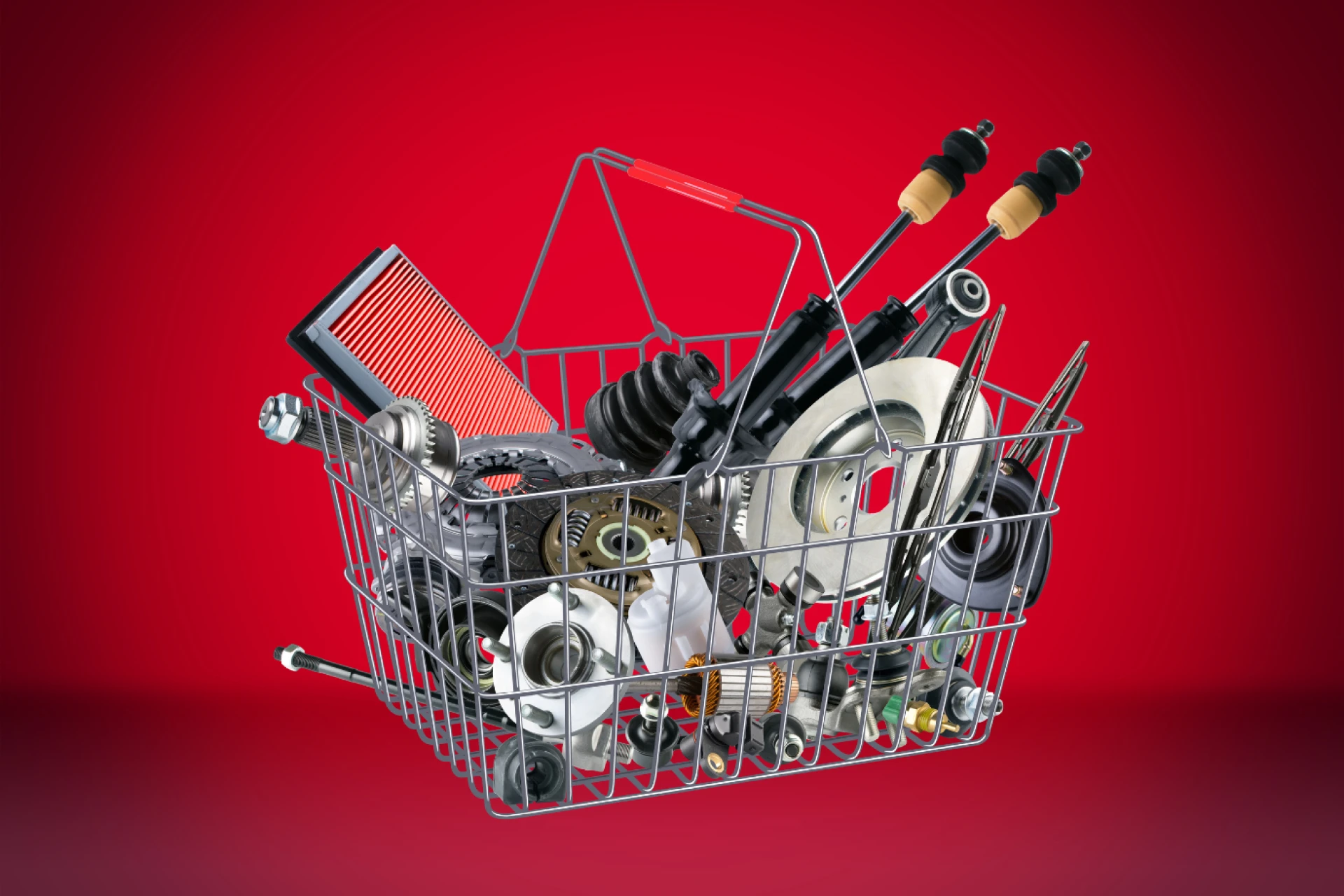
Part it out yourself. Selling individual components can yield more than selling the whole car. This approach requires time, mechanical knowledge, and somewhere to store the vehicle while pieces sell off gradually. Most people lack the patience and skills for this route.
Scrap my car through a metal recycler. When a vehicle has no remaining value as transport or parts, the metal still has worth. Scrap yards pay by weight for steel and other materials. This option typically yields the lowest return but handles even the most damaged vehicles.
Understanding Vehicle Values
How much is a non running car worth? The answer depends on several factors.
Make and model affect parts value. Popular vehicles have strong demand for spare parts. A common sedan with a dead engine may be worth good money for its doors, lights, seats, and mechanical components. A rare import with limited local demand has fewer buyers for its parts.
The extent of damage matters. A car with a blown engine but perfect body panels is worth more than one that has been crashed and has mechanical problems. Buyers assess what can be salvaged and price accordingly.
Age influences value in both directions. Very old vehicles may have become collectable, making even damaged examples worth saving. Most older cars simply have less value remaining as depreciation has already taken its toll.
Current scrap metal prices set a floor. No vehicle is worth less than its weight in metal. When other factors push value down, scrap pricing becomes the baseline.
Finding the Right Buyer
Asking “where can I sell my car with mechanical problems” leads to several types of buyers.
Specialist damaged car buyers focus exclusively on problematic vehicles. They have processes for collecting non-runners, assessing values fairly, and handling paperwork efficiently. Their experience with damaged vehicles means realistic offers and smooth transactions.
Businesses advertising “we buy damaged cars” come to the seller. They inspect vehicles on site, make offers, and handle removal. This convenience suits owners who cannot drive their broken cars anywhere.
Searching for “who buys non running cars near me” helps find local buyers. Proximity matters when vehicles cannot drive themselves to buyers. Local operators have lower collection costs and can often respond quickly.
For those in Gauteng, the option to sell my damaged car in Johannesburg connects with buyers serving the country’s biggest market. The concentration of buyers in major cities means more competition and often better prices.
The Selling Process
Selling my damaged car follows a straightforward process with reputable buyers.
Contact starts with basic information about the vehicle. Make, model, year, mileage, and a description of the damage or problems help buyers assess initial interest. Photos speed up the process and give buyers a clearer picture.
Inspection confirms the vehicle’s condition. Buyers may visit in person or request detailed photographs from multiple angles. They check the extent of damage and identify what has value.
An offer follows inspection. Reputable buyers explain how they calculate their offers. They factor in parts value, repair potential, or scrap pricing depending on the vehicle’s condition.
Payment and collection complete the transaction. Most damaged car buyers pay in cash or via immediate electronic transfer. They arrange towing or flatbed collection for non-runners.
Paperwork transfers ownership properly. A bill of sale protects both parties. Change of ownership should be registered to prevent future liability issues.
Getting the Best Price
Several steps help sellers maximise returns when they sell my damaged car for cash.
Get multiple quotes. Different buyers value different things. What one buyer dismisses, another may want. Comparing offers reveals the range and helps identify fair prices.
Be honest about the damage. Hiding problems wastes everyone’s time. Buyers will inspect before paying, and hidden issues kill deals or reduce final offers. Upfront honesty builds trust and speeds transactions.
Gather documentation. Registration papers, service history, and any receipts for recent work support the vehicle’s value. Complete paperwork makes transactions smoother and may improve offers.
Remove personal belongings. Check every compartment, under seats, and in the boot. Years of accumulation can hide important items in forgotten corners.
Location Options
Finding buyers advertising “sell my damaged car near me” offers convenience. Local buyers reduce wait times and collection costs.
For those who want to sell my car with mechanical problems, distance matters less than expertise. A buyer who specialises in specific makes or damage types may offer better prices than a generalist closer by.
The option to sell non running cars exists across South Africa. Major cities have multiple buyers competing for stock. Rural areas may have fewer options, but collection services extend coverage widely.
Making the Decision
A damaged car that sits unused costs money. Insurance, registration, and the space it occupies all have value. Converting a problem into cash makes practical sense.
The decision to sell a damaged car frees up resources for other purposes. Money toward a replacement vehicle, bills to pay, or savings to build all represent better uses than a broken car rusting in the yard.
For those ready to sell my damaged car, the process is simpler than expected. Specialist buyers handle the difficult parts. They collect non-runners, deal with paperwork, and pay fair prices for vehicles in any condition.
The option to sell damaged cars for cash turns problems into solutions. A vehicle that seemed worthless becomes money in hand. The space it occupied becomes available for other uses. The stress of dealing with a broken car disappears.

























Sign in to leave a comment.