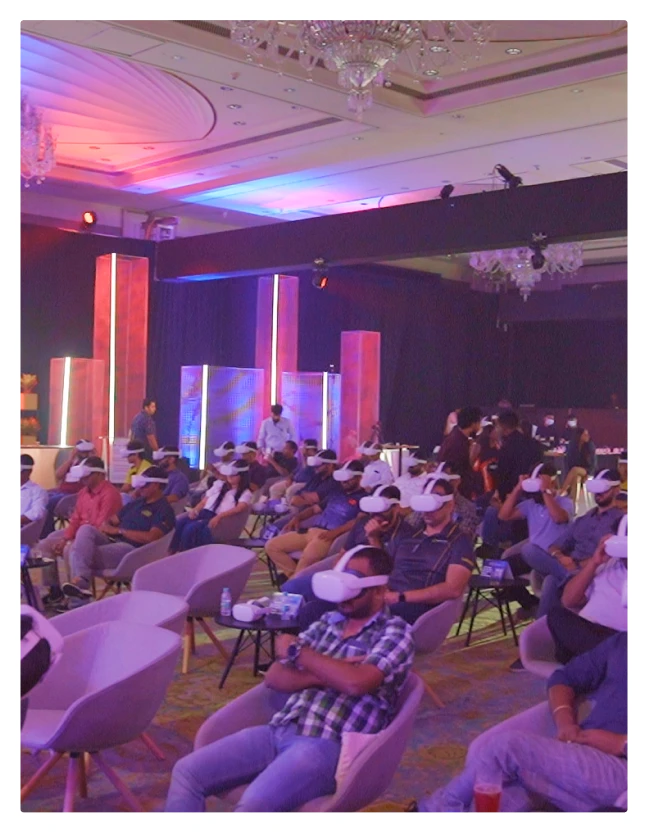

You're standing in your living room, holding your phone up to an empty corner, and suddenly a sleek Maruti Suzuki Brezza materializes before your eyes. You walk around it, peer inside, even take it for a virtual spin, all without setting foot in a showroom. This isn't science fiction; it's the reality of AR/VR marketing today, where imagination collides with interaction to create experiences that don't just capture attention, they captivate souls.
The Magic Behind the Screen
When imagination meets interaction in AR/VR marketing, brands unlock creative ways to turn engagement into unforgettable, participatory experiences that drive both emotion and action. We're no longer talking about passive advertising where consumers sit back and watch. Instead, we're crafting digital playgrounds where your audience becomes the protagonist of their own brand story.
Take IIC's groundbreaking work with Maruti Suzuki's Brezza Virtual Test Drive. Rather than relying on traditional brochures or static displays, they transformed how potential buyers experience vehicles. Through immersive VR technology, customers could slide into the driver's seat from anywhere, their office, home, or even a coffee shop, and feel the thrill of acceleration, the comfort of the interior, and the confidence that comes with truly "knowing" a car before buying it.
Where Reality Gets an Upgrade
The beauty of augmented reality services lies in their ability to enhance, not replace, our world. Remember IKEA Place? It revolutionized furniture shopping by letting customers visualize that perfect sofa in their actual living space. But the real genius wasn't just the technology; it was understanding that buying furniture is deeply personal, tied to our sense of home and identity.
Similarly, when Warner Bros launched their Dune Snapchat Lens, they didn't just promote a movie; they invited fans to become part of the narrative. Suddenly, your morning commute could transform you into a sandworm-riding Fremen, turning mundane moments into shareable adventures that sparked conversations across social platforms.
The Emotional Architecture of Virtual Reality
Virtual reality marketing goes deeper than surface-level engagement. It builds emotional architecture, creating spaces where brands and consumers can form genuine connections. When IIC developed projection mapping and augmented reality experiences for Oral-B's product launch, they weren't just showcasing toothbrush features; they were crafting an immersive journey that made oral health feel innovative and exciting.
The most powerful VR campaigns understand that people don't just want to see products; they want to feel what it's like to own them, use them, and be transformed by them. Bentley's VR configurator didn't just let customers customize cars; it let them step into a lifestyle, feel the leather, hear the engine purr, and imagine themselves as the sophisticated driver they aspired to be.
Breaking the Fourth Wall of Marketing
What makes AR/VR marketing truly revolutionary is its ability to break down the invisible barrier between brands and consumers. Red Bull's Cliff Diving WebAR didn't just tell people about extreme sports; it let them experience the heart-pounding rush of a 70-foot dive. Suddenly, everyone could be an extreme athlete, if only for a moment.
This participatory nature transforms marketing from interruption to invitation. When Pepsi MAX turned a London bus shelter into a window of impossible illusions, flying saucers, prowling tigers, alien invasions, commuters weren't annoyed by advertising; they were delighted by magic. They became willing participants, and more importantly, enthusiastic sharers of the experience.
The Human Touch in Digital Spaces
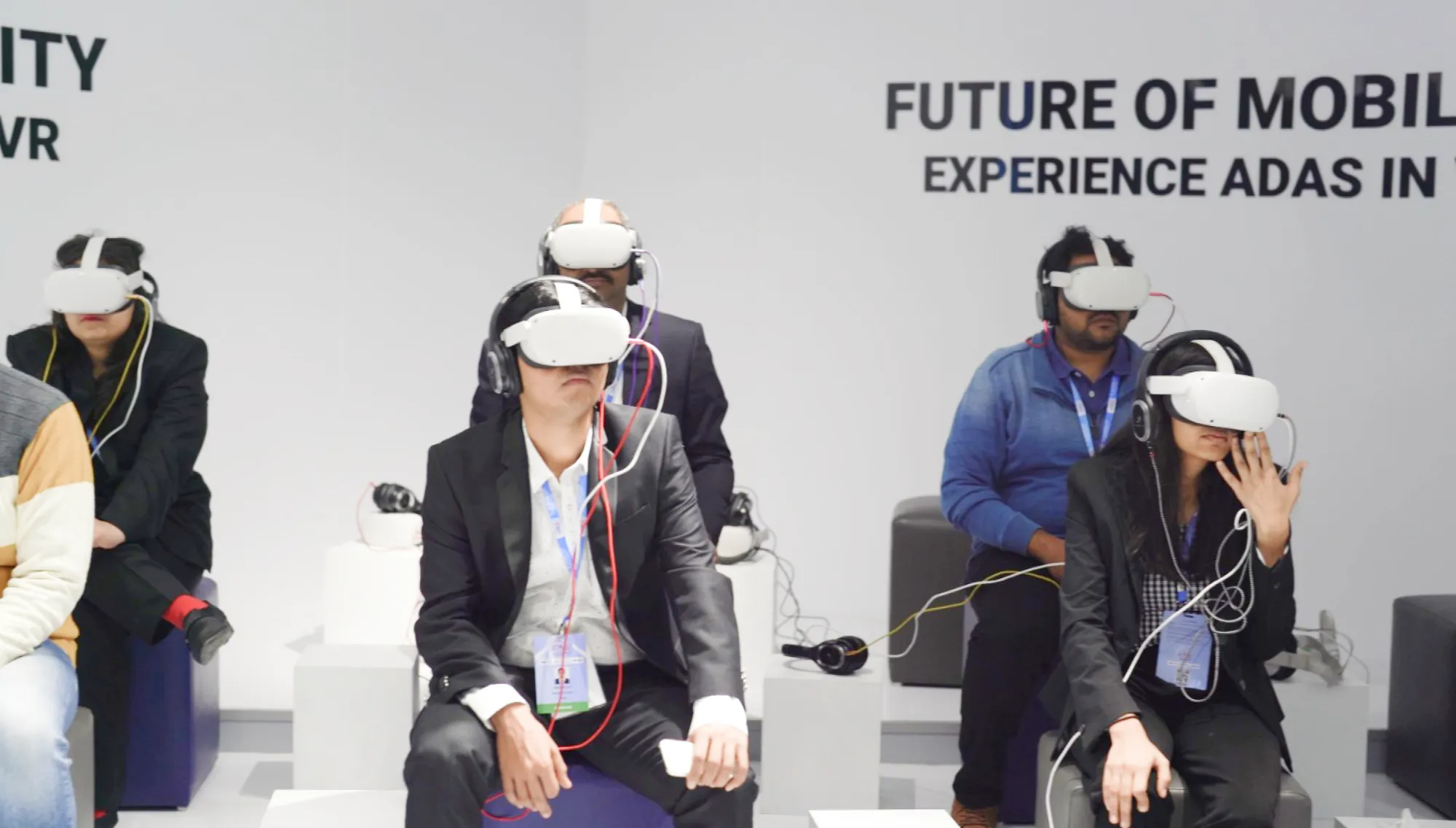
As an AR VR company in India, IIC understands that technology alone doesn't create meaningful connections; storytelling does. Their approach combines cutting-edge Artificial Intelligence, Interactive Technology, and Spatial Computing with deep human insights about what moves people emotionally.
The most successful campaigns don't lead with technology; they lead with understanding. They recognize that behind every smartphone screen is a person seeking connection, discovery, and moments that make them feel more alive. Whether it's through WebAR experiences that require no app downloads or fully immersive VR worlds that transport users to new realms, the goal remains the same: creating genuine human moments in digital spaces.
Conclusion: The Future of Engagement is Here
AR/VR marketing represents more than technological advancement; it's a fundamental shift toward participatory brand relationships. When imagination meets interaction, something magical happens: passive consumers become active participants, observers become explorers, and brands become partners in creating unforgettable experiences.
For marketers ready to embrace this evolution, the question isn't whether AR/VR will transform customer engagement; it's how quickly you can harness its power to create the kind of meaningful, memorable interactions that turn curious observers into passionate advocates. The future isn't coming; it's here, waiting for you to step inside and make it your own.



























Sign in to leave a comment.