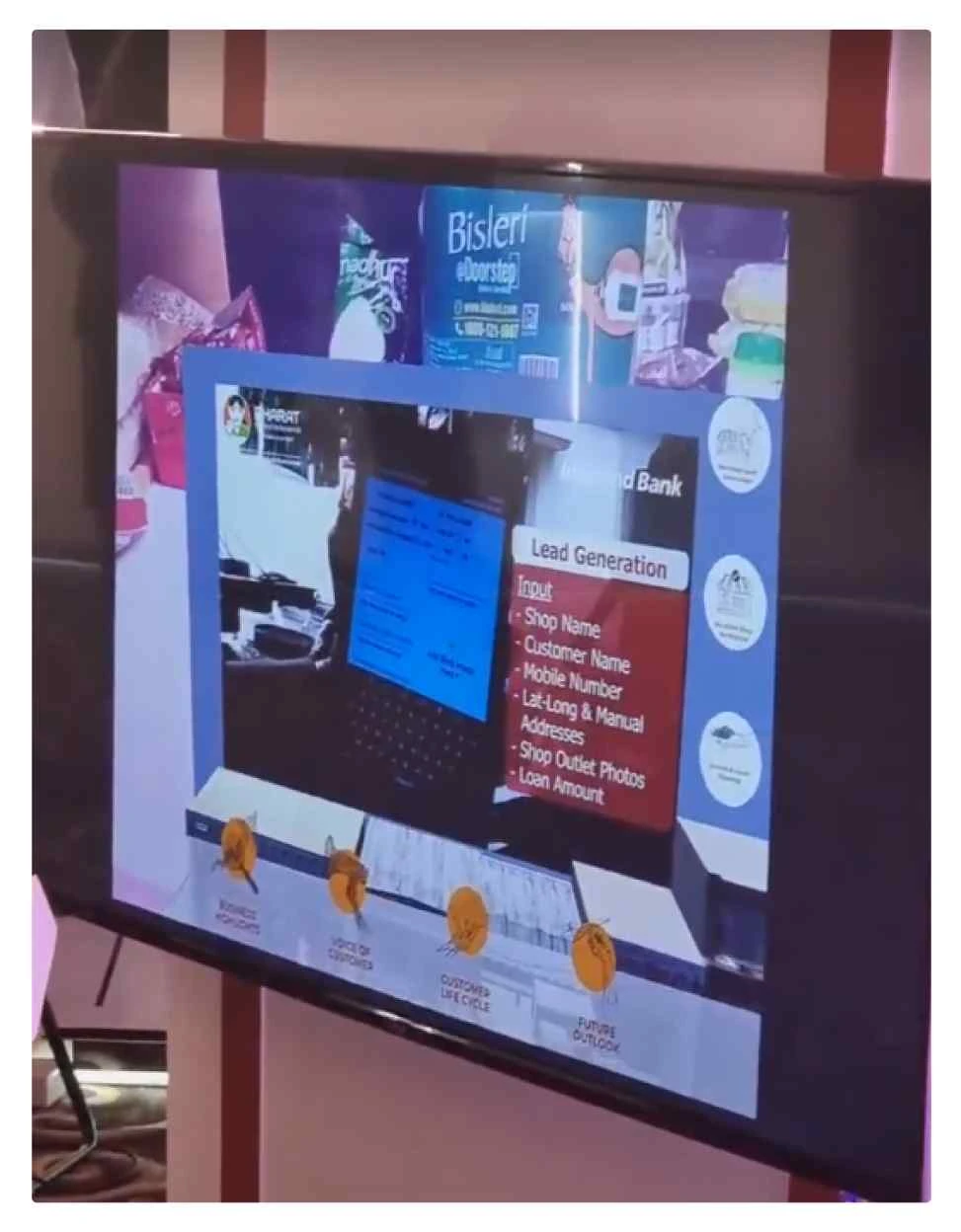

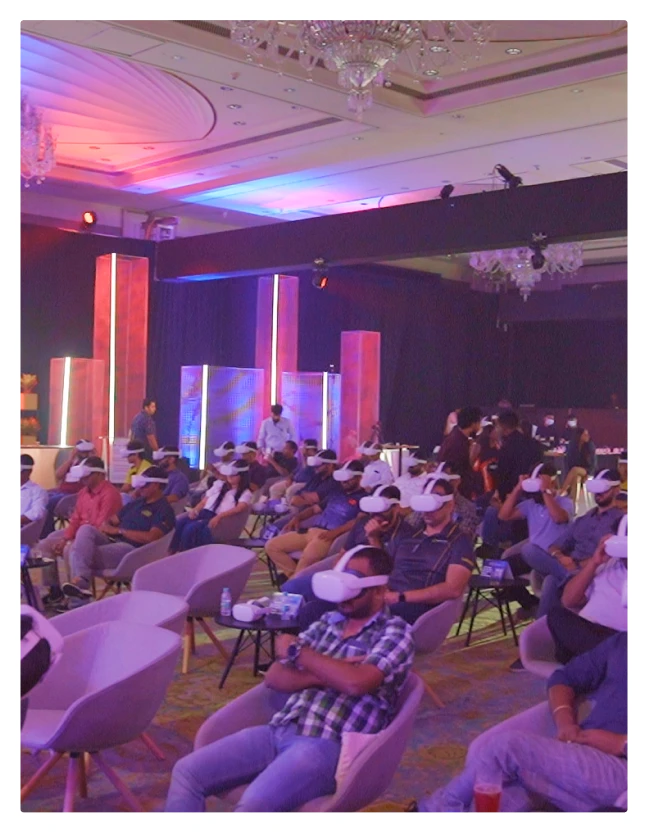
You've probably sat through another presentation where someone enthusiastically waves around a VR headset, promising it'll "revolutionize everything." But here's what they don't tell you: most AR/VR projects crash and burn not because the technology isn't impressive, but because they're built like beautiful, expensive monuments to short-term thinking.
Innovative businesses today aren't looking for flashy demos. They're looking for an AR/VR development company that understands a crucial truth: your solution must grow with you, not become tomorrow's expensive paperweight.
The Real Problem Nobody Talks About
Here's the uncomfortable reality most companies discover six months after their AR/VR launch: what seemed cutting-edge suddenly feels clunky when you need to add new features, integrate with updated systems, or scale to different markets. Your "revolutionary" virtual showroom can't handle Black Friday traffic. Your immersive training platform breaks when you try adding new modules.
The issue isn't the technology it's how it's built. Most development approaches treat AR/VR like a one-time magic trick rather than a living, breathing business tool that needs to evolve.
What Actually Makes AR/VR Solutions Scale
Companies like IIC (check out their immersive technology services) understand that scalable AR/VR isn't about cramming every possible feature into version one. It's about building smart.
Think of it like constructing a building. You don't start with the penthouse – you build a solid foundation that can support whatever you want to add later. In AR/VR terms, this means beginning with a modular architecture that treats each feature as an independent building block.
When a healthcare company needs immersive patient engagement tools, a scalable approach doesn't create a monolithic application. Instead, it builds components that can be mixed, matched, and extended. Do we need to add telemedicine integration next quarter? No problem. Want to expand from cardiac care to orthopedics? The architecture already supports it.
The Cloud Changes Everything
Here's where most people get AR/VR wrong – they think the magic happens in the headset. Actually, the real power lives in the cloud. By offloading heavy computational tasks to robust backend systems, your AR application can run smoothly on everything from a budget smartphone to the latest VR headset.
This isn't just about performance – it's about reach. When your retail customers can access your virtual try-on feature, whether they're using an iPhone 12 or the newest Meta Quest, you're not limiting your market to tech enthusiasts with deep pockets.
Cross-Platform: Because Your Customers Don't Care About Your Technical Constraints
Your customers don't think in terms of "iOS versus Android" or "Oculus versus web browser." They think in terms of "this works for me" or "this doesn't." A truly scalable AR/VR development company builds solutions that meet people where they are, not where you think they should be.
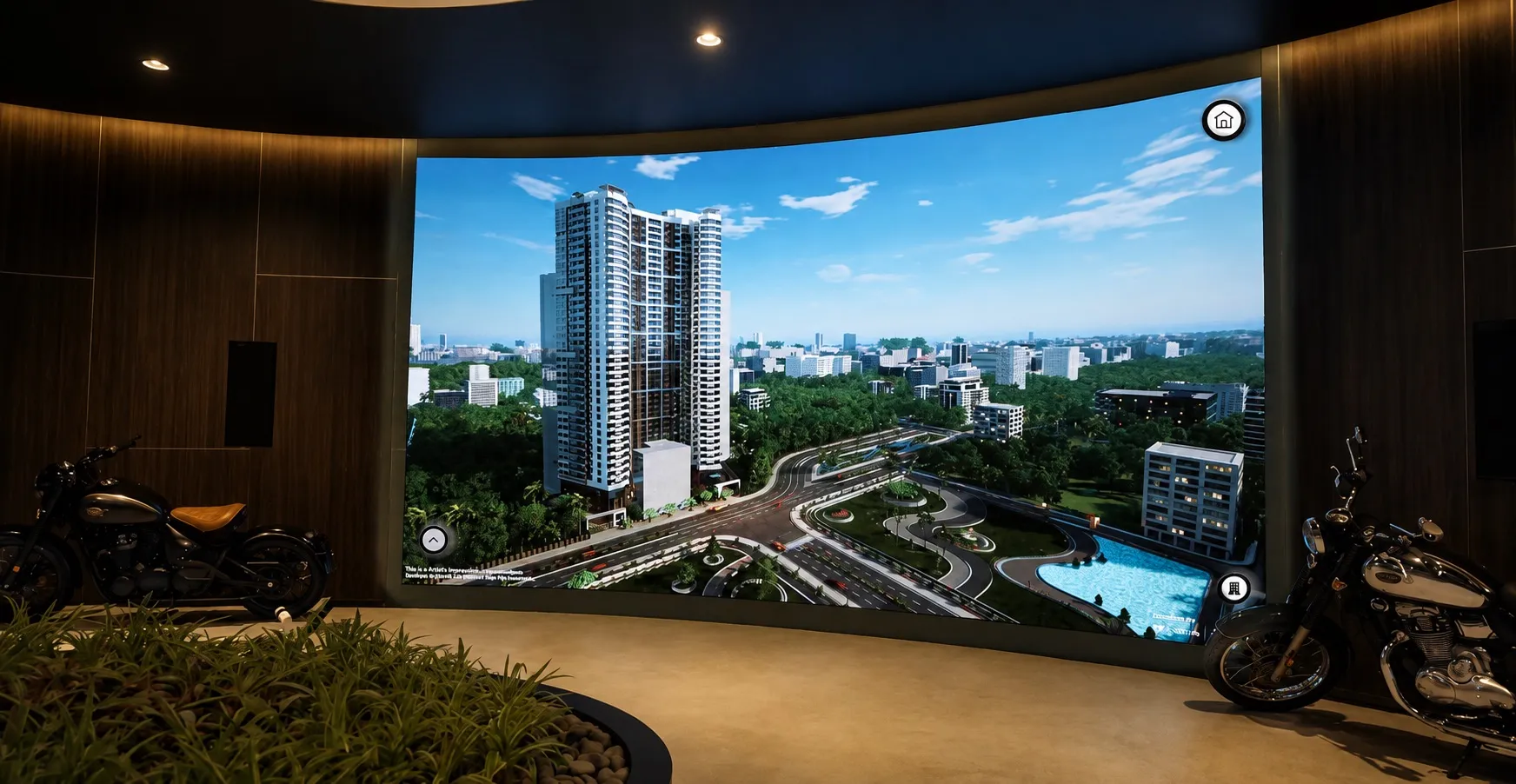
This means using development frameworks that deploy across platforms without requiring separate teams for each device type. Your logistics team gets AR warehouse navigation that works identically whether they're using tablets or smart glasses. Your real estate agents can show 3D walkthroughs to clients regardless of their preferred device.
Industry-Specific Scaling That Actually Makes Sense
Generic solutions feel generic because they are. The AR needs of a financial services company running virtual client consultations are entirely different from those of a manufacturer using AR for equipment maintenance training. Smart AR/VR development companies don't try to force-fit universal solutions into specific industry challenges.
In finance, scalable AR/VR means secure, compliant virtual meeting spaces that integrate with existing CRM systems and can handle sensitive data across multiple regulatory environments. In retail, it could mean AR product visualization that seamlessly connects to inventory management, customer profiles, and purchase history.
The Support Reality Check
Here's what happens after most AR/VR projects launch: crickets. The development company considers the project "done" and moves on. Meanwhile, you're left with a system that was cutting-edge six months ago but now feels dated, and no clear path forward.
Professional AR/VR development companies build ongoing relationships, not just applications. They understand that technology evolves, business needs change, and what feels revolutionary today becomes table stakes tomorrow. Continuous optimization isn't an add-on service – it's fundamental to keeping your investment relevant.
Making the Smart Choice
When evaluating an AR/VR development company, don't get distracted by impressive demos or technical jargon. Ask the hard questions: How will this scale when we double our user base? What happens when we need to integrate with systems you've never heard of? How do you handle updates without breaking existing functionality?
The right partner won't just build you an AR/VR solution – they'll make you a platform for growth.
The Bottom Line
Scalable AR/VR isn't about predicting the future perfectly. It's about building systems flexible enough to adapt when the future inevitably looks different from what is expected. Innovative businesses partner with development companies that understand this distinction and build accordingly.
Your AR/VR solution should feel more powerful a year from now, not more limiting. Choose your development partner with that timeline in mind.

























Sign in to leave a comment.