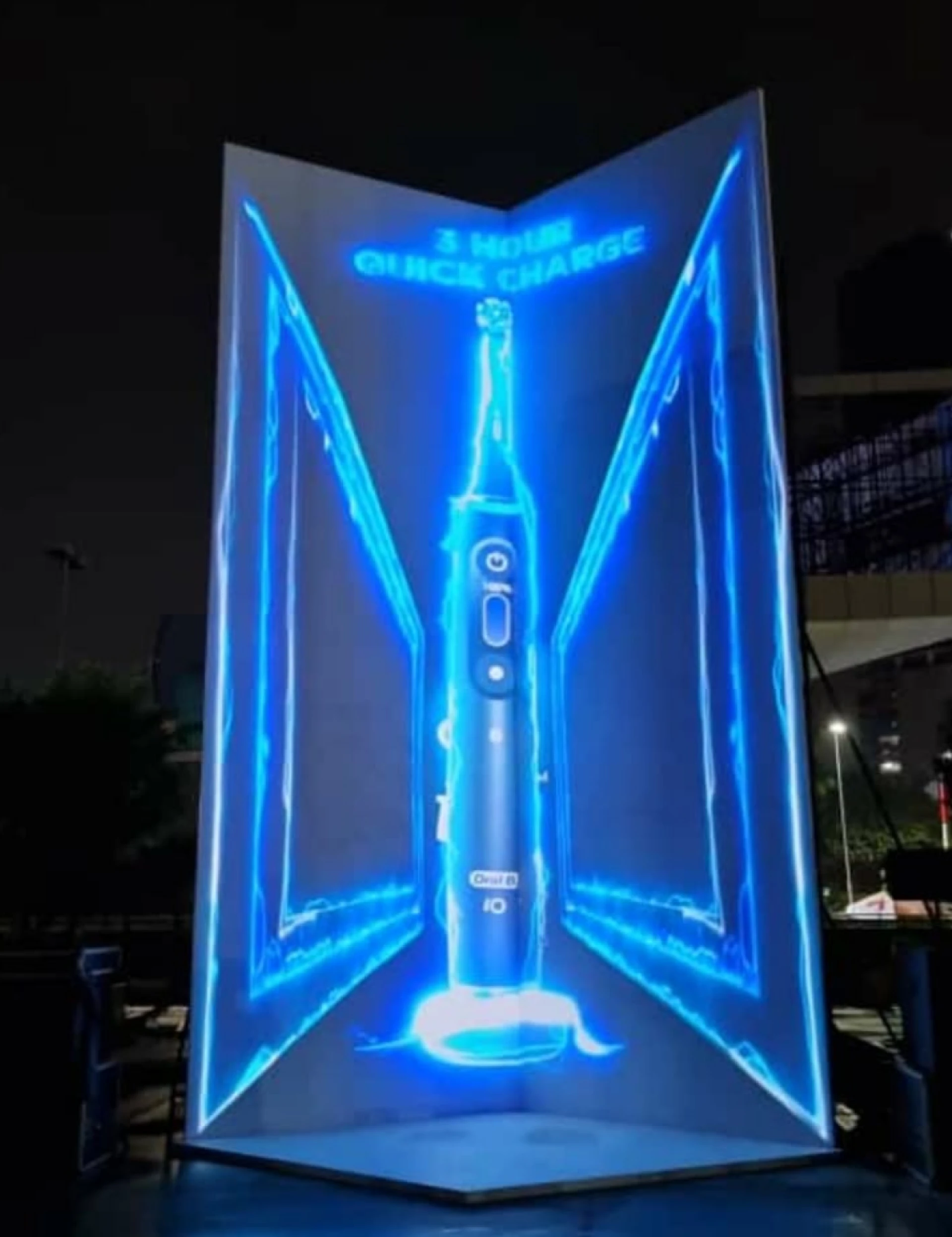

You know that feeling when you walk into a space and it just gets you? Not in a creepy surveillance way, but in that almost magical sense where the environment responds to your presence, your movements, your curiosity. That's what happens when architecture stops being static and starts having a conversation with the people moving through it.
I've spent enough time in bland conference centers and forgettable retail spaces to appreciate when someone actually gives a damn about the experience. And lately, I've been noticing something interesting: walls are waking up.
Beyond the Pretty Pictures
Look, we've all seen projection mapping at this point. The building facades that come alive during festivals, the product launches where logos dance across surfaces, the wedding receptions with custom animations. It's impressive, sure. But here's the thing—watching is passive. You stand there, you look up, you take your Instagram photo, and you move on.
Interactive projection mapping is different. It invites you in. It makes you part of the story.
Think about it: when was the last time you felt genuinely surprised by a physical space? Not just impressed by its design, but actually caught off-guard by how it responded to you? That's the potential we're talking about here. These aren't just projection mapping services slapping visuals onto surfaces. This is about creating environments that breathe and react and evolve based on who's in the room.
The Intelligence Behind the Canvas
The technical setup isn't as complicated as you might think, though executing it well requires real expertise. You've got your high-powered projectors doing the heavy lifting on the visual end. Then there's the sensing layer, infrared cameras tracking movement, depth sensors understanding proximity, sometimes even audio sensors picking up sound. All of this feeds into software that's essentially conducting an orchestra in real-time.
Companies specializing in 3D projection mapping, like IIC a full-service MarTech Agency working with AI, interactive technology, and spatial computing—are pushing these boundaries daily. They understand that the magic isn't just in the projection; it's in the millisecond-by-millisecond decision-making that makes interactions feel natural rather than glitchy.
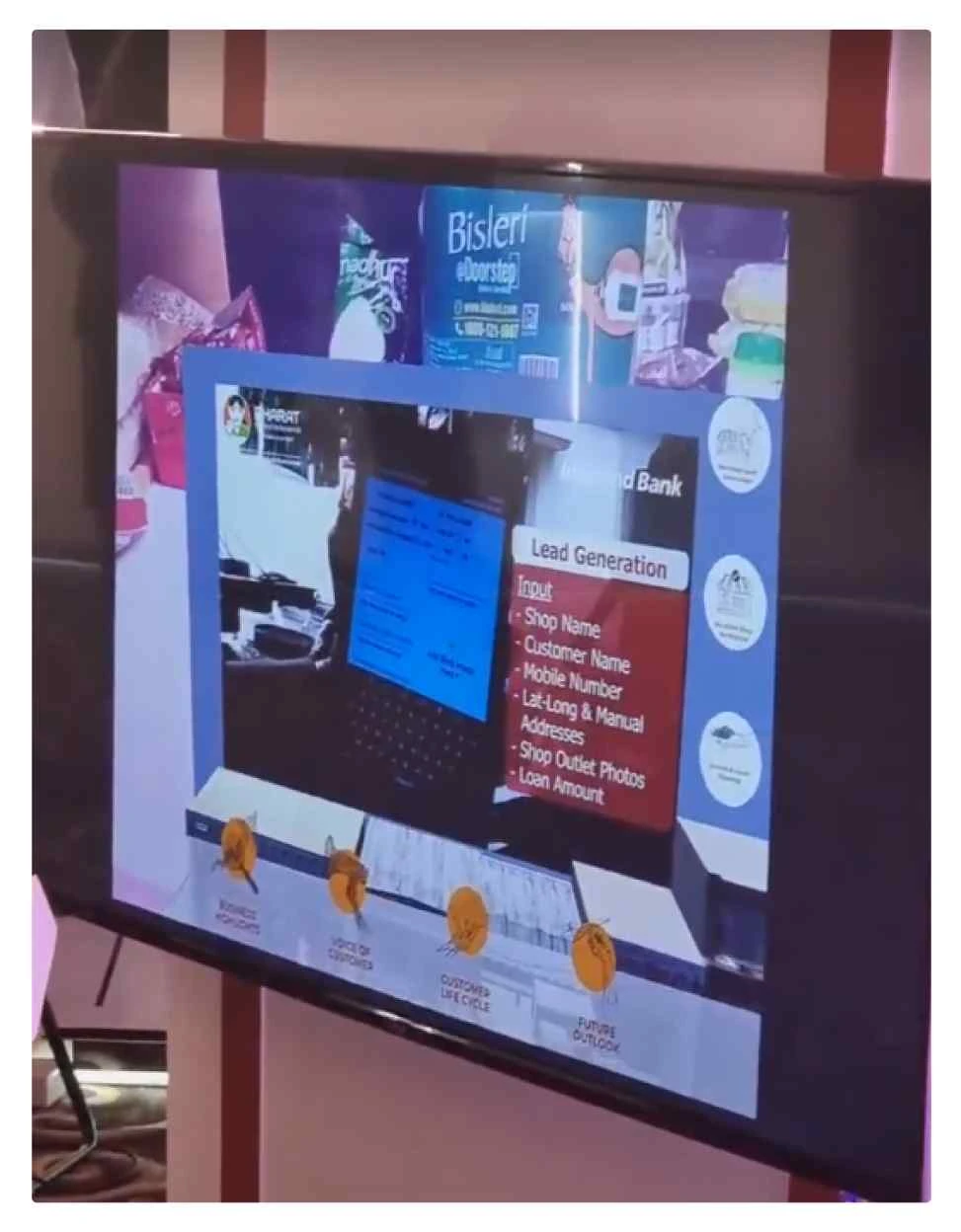
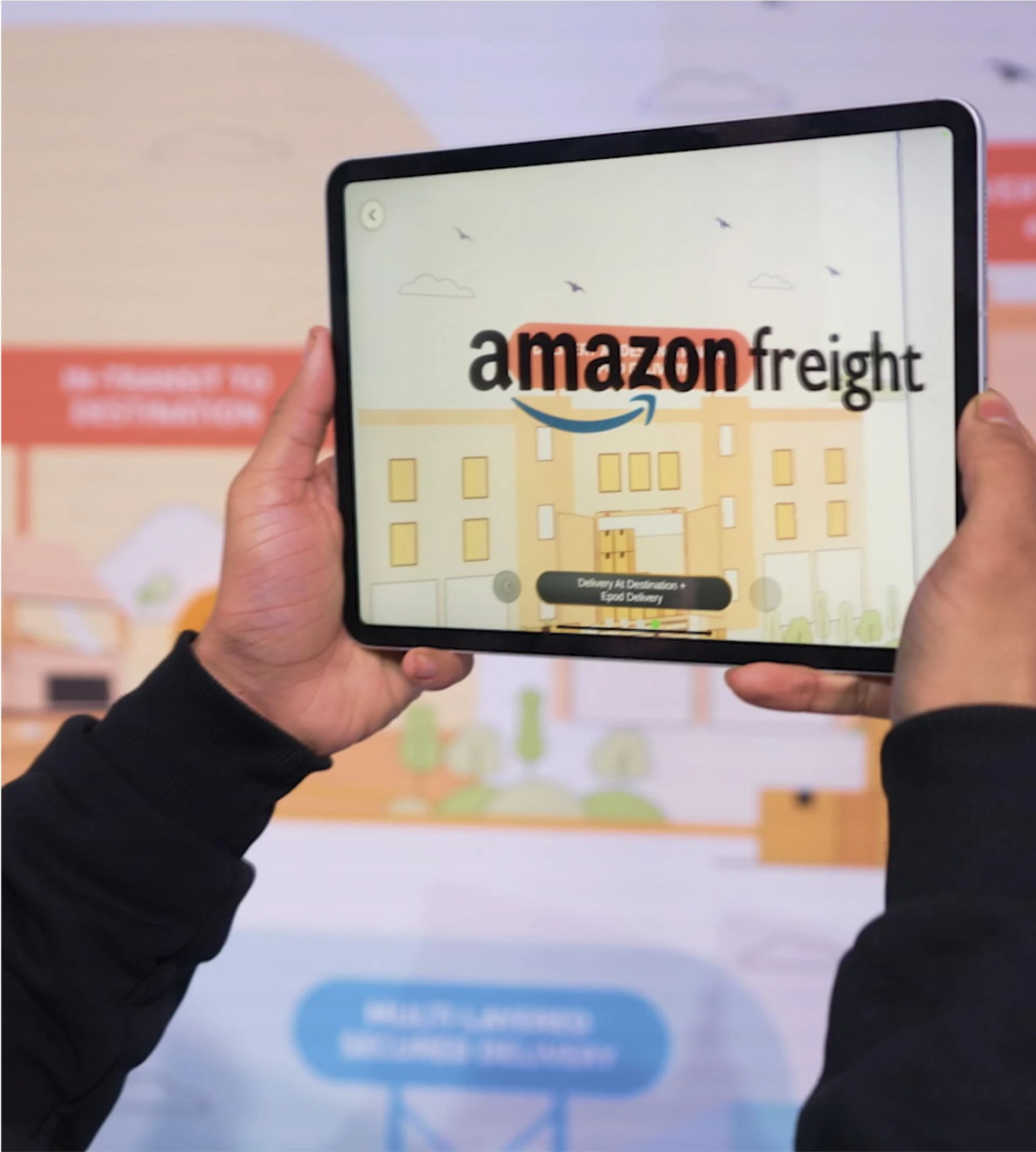
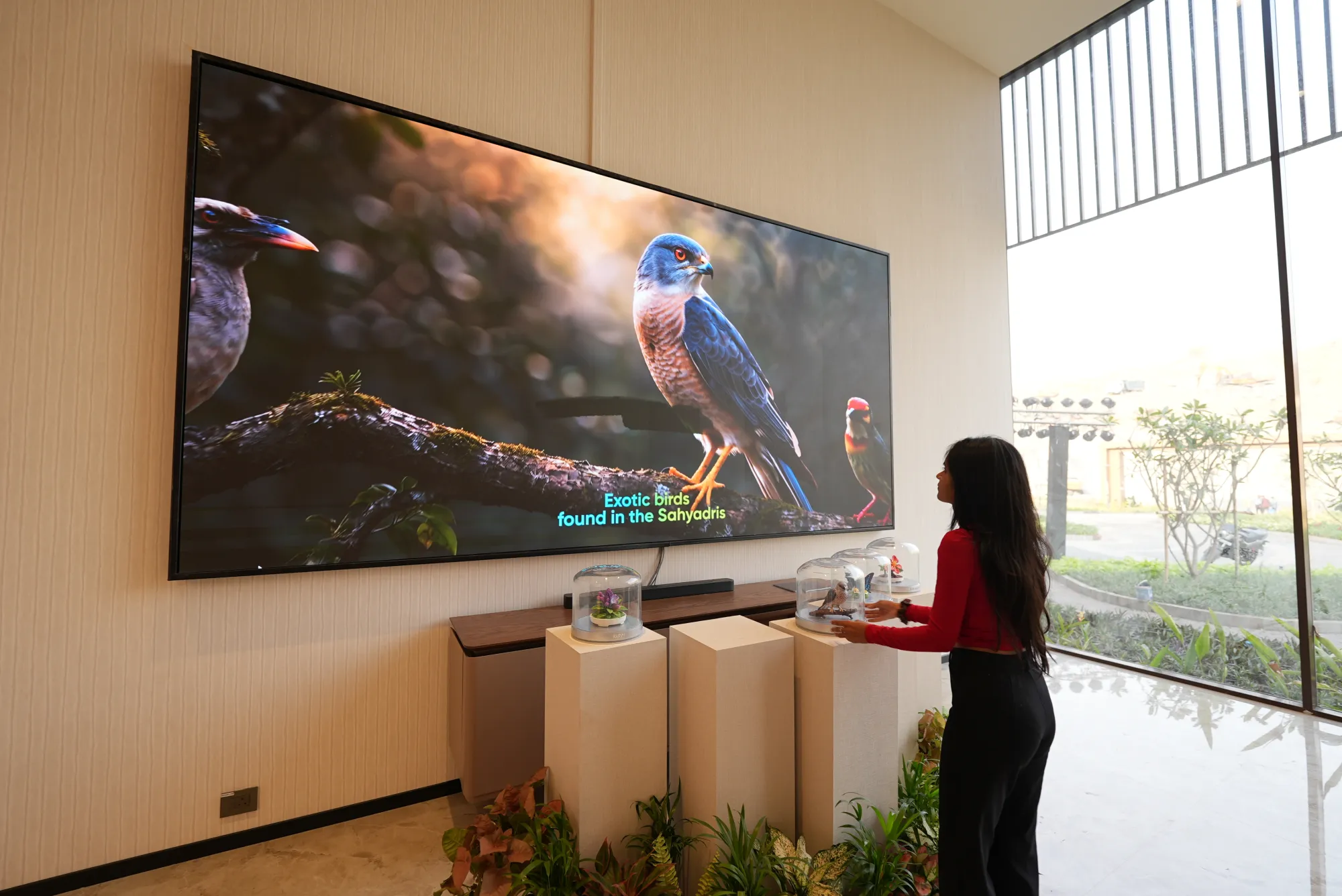
What fascinates me is how this technology essentially gives spaces a nervous system. Touch a wall in a retail environment, and product information blooms under your fingertips. Walk down a museum corridor, and historical timelines unfold in your footsteps. Stand in a corporate lobby, and the company's story arranges itself around your presence.
Where This Actually Matters
I'm always skeptical of technology for technology's sake. The "because we can" approach to innovation usually produces expensive novelties that impress for five minutes and then gather dust. But interactive projection walls are proving their worth in ways that actually enhance human experience rather than just coating it in digital glitter.
Retail spaces are using this to solve a real problem: how do you compete with the convenience of online shopping? By offering something online can't—an experience worth leaving your house for. Imagine trying to choose between paint colors not by squinting at tiny chips, but by watching entire walls shift through palettes as you gesture. That's not just useful; it's enjoyable.
Educational environments are where this technology really flexes. Museums have been early adopters because they understand something fundamental: people learn better when they're engaged, not lectured at. When kids can trigger a volcanic eruption by jumping, or reveal hidden layers of a historical artifact by reaching out, they're not just absorbing information—they're playing with it. That sticks.
Paris City Hall did something brilliant with their staircase installation. As visitors walk up, "glitter rain" falls around their feet. It's simple, it's beautiful, and it transforms a mundane experience (climbing stairs) into something worth remembering. That's the kind of thoughtful application that separates meaningful innovation from expensive gimmicks.
The Human Element
Here's what companies offering projection mapping services often miss: the technology should disappear. When someone interacts with these walls, they shouldn't be thinking about sensors or software. They should be thinking, "Holy shit, that wall just responded to me."
The best implementations understand restraint. Not everything needs to be explosive or overwhelming. Sometimes the most powerful interaction is subtle a ripple effect as you walk past, colors shifting to complement your clothing, a gentle acknowledgment of your presence.
It's about enhancing space, not overwhelming it.
I've seen installations that feel like they're screaming for attention, throwing every effect at the wall (literally) hoping something resonates. Then I've seen ones that are so elegantly calibrated to their environment that visitors almost don't realize they're experiencing something technologically sophisticated. They just feel welcomed, engaged, intrigued.
The Bigger Picture
What excites me about this technology isn't really the technology itself—it's what it suggests about our future relationship with physical space. We're moving past the era of buildings as passive containers and into something more dynamic. Architecture that adapts, that personalizes, that learns.
Projection mapping companies working at the cutting edge understand they're not just in the visual effects business. They're in the experience design business. They're in the business of making spaces memorable, functional, and emotionally resonant.
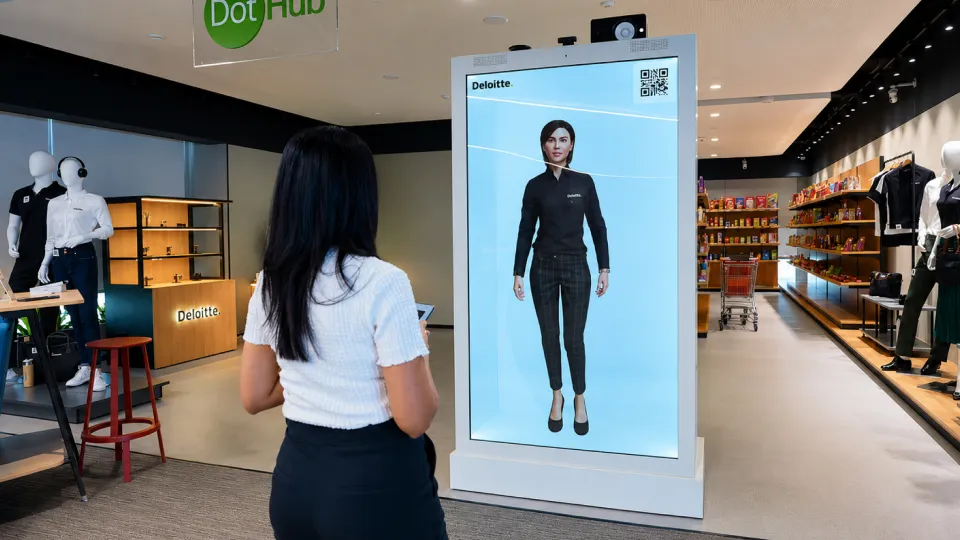
The corporate applications alone could transform how we think about offices and commercial spaces. Why should your lobby look the same at 9 AM and 9 PM? Why can't conference rooms instantly adapt to different meeting types? Why shouldn't public spaces respond to the people actually using them?
What This Means for You
Whether you're running a retail operation, managing a venue, designing a museum experience, or just thinking about how to make your space more engaging, the question isn't whether interactive projection mapping is cool (it is), but whether it serves your actual goals.
Done well, these installations create moments people want to share, remember, and return to. They turn passive viewers into active participants. They make spaces feel alive rather than static. That's valuable not because it's high-tech, but because it's human-centered technology working in the service of genuine connection and engagement.
The walls are listening now. The question is: what conversation do you want them to have?
Ready to transform your space into an interactive experience that people actually remember?
Inkincaps specializes in creating intelligent projection mapping installations that don't just impress, they engage, connect, and convert. Let's talk about what your walls could be saying. Visit us to explore the possibilities.






















Sign in to leave a comment.