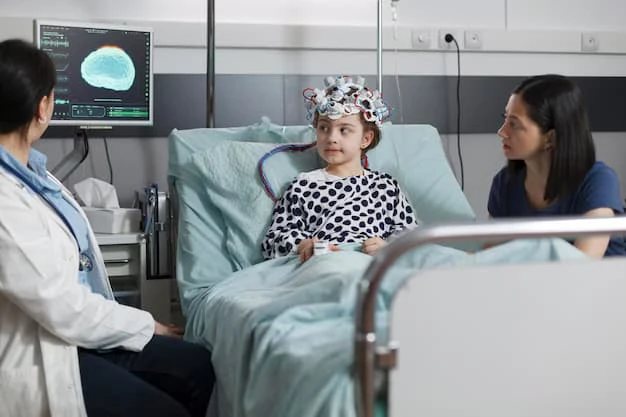

Brain Surgery in Irvine can be a daunting prospect for many individuals, evoking feelings of fear and uncertainty. However, in certain circumstances, it becomes a necessary course of action to address serious neurological conditions. In Irvine, advancements in medical technology and the expertise of skilled neurosurgeons have made brain surgery a viable option for numerous patients. Understanding when brain surgery is necessary can help patients and their families make informed decisions about their health.
Understanding Brain Surgery
Brain surgery, also known as neurosurgery, encompasses a range of surgical procedures aimed at diagnosing, treating, and managing conditions affecting the brain and its surrounding structures. These procedures may involve the removal of tumors, repair of vascular abnormalities, treatment of traumatic injuries, or alleviation of pressure on the brain.
The decision to proceed with brain surgery is typically based on a thorough evaluation of the patient's condition, including imaging tests like MRI or CT scans, neurological assessments, and consideration of the patient's overall health.
Conditions That May Require Brain Surgery
Several neurological conditions may necessitate brain surgery in Irvine. Understanding these conditions can help clarify when surgical intervention is essential.
1. Brain Tumors
One of the most common reasons for brain surgery is the presence of tumors. Brain tumors can be either benign or malignant and can cause various symptoms, including headaches, seizures, and cognitive changes. Neurosurgeons may recommend surgery to remove the tumor, especially if it is causing significant pressure on surrounding brain tissue or is affecting vital functions.
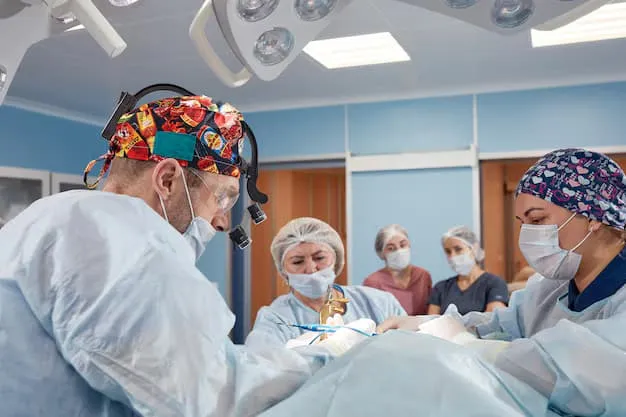
The surgical approach may involve craniotomy, where a portion of the skull is temporarily removed to access the tumor, or minimally invasive techniques that reduce recovery time and complications. The choice of technique depends on the tumor's size, location, and type.
2. Aneurysms and Vascular Malformations
Cerebral aneurysms are bulges in blood vessels in the brain that can rupture, leading to life-threatening hemorrhagic strokes. When an aneurysm is detected, especially if it is large or symptomatic, surgical intervention may be necessary.
In Irvine, neurosurgeons may employ techniques such as clipping or endovascular coiling to address aneurysms. Clipping involves placing a clip at the base of the aneurysm to prevent blood flow, while coiling entails filling the aneurysm with coils to promote clotting. The decision on the appropriate approach depends on the aneurysm's characteristics and the patient's overall health.
3. Hydrocephalus
Hydrocephalus is a condition characterized by an accumulation of cerebrospinal fluid (CSF) in the brain, leading to increased intracranial pressure. This condition can result from congenital factors, infections, or brain injuries.
In cases where hydrocephalus causes significant symptoms, such as headaches, vision problems, or cognitive decline, brain surgery may be necessary to insert a shunt. This device helps drain excess fluid and relieves pressure on the brain, improving symptoms and overall function.
4. Epilepsy
For patients with epilepsy that is resistant to medication, surgical intervention may be considered. In Irvine, neurosurgeons may perform epilepsy surgery to remove the portion of the brain responsible for seizure activity.
The surgical approach typically involves extensive preoperative evaluations, including video EEG monitoring and imaging studies, to accurately identify the seizure focus. The goal of epilepsy surgery is to significantly reduce or eliminate seizures, allowing patients to lead more fulfilling lives.
5. Traumatic Brain Injury (TBI)
Traumatic brain injuries, resulting from accidents or falls, can lead to serious complications such as bleeding or swelling in the brain. When these injuries cause significant pressure or threaten brain function, immediate surgical intervention may be necessary.
In cases of TBI, neurosurgeons may perform procedures to remove blood clots, repair skull fractures, or relieve pressure through decompressive craniectomy. Timely intervention is crucial to minimize potential long-term damage and improve outcomes.
Factors Influencing the Decision for Brain Surgery
The decision to undergo brain surgery is complex and involves several factors. Neurosurgeons in Irvine consider the following elements when determining the necessity of surgery:
- Severity of Symptoms: The presence of severe or worsening neurological symptoms often prompts consideration for surgery. For instance, persistent headaches, seizures, or cognitive decline may indicate an underlying condition that requires intervention.
- Diagnosis: Accurate diagnosis through imaging and neurological evaluations is essential. The type of condition—whether a tumor, vascular malformation, or injury—plays a significant role in the decision-making process.
- Patient's Overall Health: The patient's age, general health, and ability to tolerate surgery are critical considerations. A thorough assessment of comorbidities helps ensure that the benefits of surgery outweigh the risks.
- Potential for Improvement: Neurosurgeons evaluate the likelihood of achieving significant improvement in quality of life and symptom relief through surgery. When the potential benefits are substantial, surgery may be recommended.
Conclusion
Brain surgery in Irvine is a necessary intervention for various neurological conditions that pose significant risks to a patient's health and quality of life. Understanding the specific circumstances that warrant surgical intervention can empower patients and their families to make informed decisions.
From addressing brain tumors and aneurysms to treating hydrocephalus and traumatic brain injuries, the expertise of skilled neurosurgeons plays a vital role in the management of these complex conditions. For individuals facing the prospect of brain surgery, consulting with a knowledgeable professional is essential. Robert Louis MD specializes in the evaluation and treatment of neurological disorders and can provide valuable insights and guidance, ensuring patients receive the comprehensive care they need on their journey to recovery.
































Sign in to leave a comment.