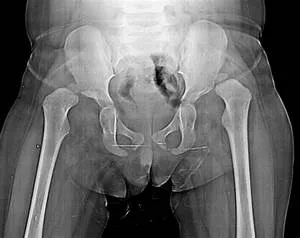

Early diagnosis and proper congenital hip dislocation treatment are essential to support healthy hip development in children. Congenital hip dislocation, also called developmental dysplasia of the hip (DDH), occurs when the hip joint does not form correctly.
In this condition, the hip socket may be too shallow, causing the thigh bone to move partially or completely out of place. This condition is commonly diagnosed in infants and young children. When treated early, many children recover successfully without major complications.
Non-Surgical Congenital Hip Dislocation Treatment
Doctors usually begin congenital hip dislocation treatment with non-surgical methods, especially in newborns and infants under six months of age.
Common Non-Surgical Treatments Include:
- Pavlik Harness: Keeps the baby’s hips in the correct position.
- Hip Braces: Help stabilize the joint during development.
- Regular Monitoring: Ultrasounds and physical exams track hip growth.
These treatments are often effective when the condition is detected early.
When Is Surgery Needed?
Surgery becomes necessary when non-surgical treatments fail or when the condition is diagnosed later in childhood. As children grow older, the hip joint becomes less flexible, making correction more difficult without surgery.
Surgery May Be Recommended If:
- The hip remains dislocated after bracing or harness treatment.
- The diagnosis was made after 6 month of age.
- The child has difficulty in walking or abnormal movement.
- The hip joint develops abnormally over time.
- Pain or mobility issues begin to appear.
Types of Surgical Procedures
Different surgical methods may be used depending on the child’s age and the severity of the condition.
1. Closed Reduction
Closed reduction is often performed for infants and toddlers. During this procedure:
- The child is placed under anesthesia.
- The orthopedic surgeon gently positions the hip back into the socket.
- A body cast is applied to keep the hip stable during healing.
This procedure does not require any incision except for percutaneous adductor tenotomy in a few cases.
2. Open Reduction Surgery
Open reduction is needed when closed reduction is unsuccessful or when the dislocation is severe.
During this surgery:
- An incision is made near the hip joint.
- Tight tissues or obstacles preventing proper alignment are removed.
- The hip is repositioned securely into the socket.
This procedure helps improve long-term hip stability.
3. Bone Correction Procedures
Older children may require additional surgeries, including:
- Pelvic Osteotomy: Reshapes the hip socket.
- Femoral Osteotomy: Adjusts the thigh bone for better alignment.
These procedures improve joint stability and reduce future complications.
Signs Parents Should Watch For
Parents should seek medical evaluation if they notice:
- Uneven leg lengths
- Limited hip movement
- Difficulty crawling
- Limping or abnormal walking patterns
- Clicking sounds in the hip joint
Early medical attention can improve treatment outcomes significantly.
Recovery and Long-Term Outlook
After surgery, children usually require:
- Physical therapy
- Follow-up X-rays
- Regular orthopedic checkups
With timely congenital hip dislocation treatment, most children regain healthy hip function and can participate in normal daily activities.
Conclusion
Surgery for congenital hip dislocation is typically recommended when early non-surgical methods are ineffective or when the condition is diagnosed later in childhood. Early diagnosis, proper treatment, and ongoing follow-up care play a major role in achieving successful outcomes.
Consulting a pediatric orthopedic specialist ensures the child receives the most appropriate treatment plan for long-term hip health.


























Sign in to leave a comment.