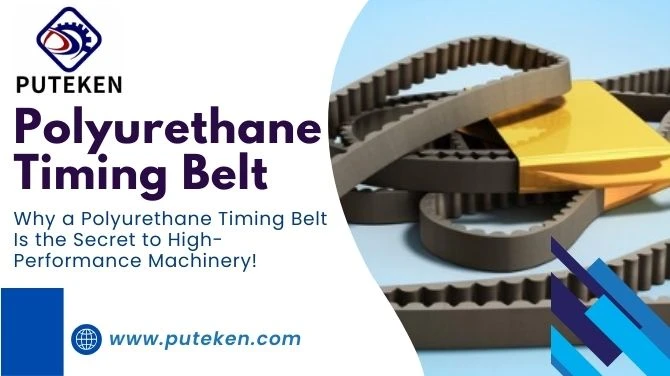

In today's fast-paced industrial landscape, machinery performance is not just about speed or power—it's about precision, reliability, and efficiency. As the heartbeat of countless automated systems, the timing belt plays a crucial role in synchronizing mechanical operations. However, not all timing belts are created equal. For companies that demand durability, cleanliness, and peak performance, the Polyurethane Timing Belt has become the go-to solution.
At Shanghai Puteken Transmission System Co., Ltd., we understand the evolving needs of modern industries. From food processing and packaging to automotive manufacturing and pharmaceutical equipment, the demand for high-quality power transmission components has never been greater. That's where polyurethane timing belts truly shine.
The Importance of Timing Belts in Industrial Applications
To better understand the value of a polyurethane timing belt, it’s vital to first grasp the role of timing belts in general. These belts are responsible for mechanical synchronization, ensuring components such as shafts, pulleys, and rollers rotate at precise intervals. In doing so, they maintain the rhythm required for efficient machine operation. Even a minor slip or misalignment can compromise performance, increase wear, and result in costly downtime or product defects.
Conventional belts—such as rubber timing belts—were effective in the past but often lacked resistance to abrasion, oils, and chemicals. These shortcomings led to frequent maintenance, unexpected breakdowns, and diminished operational lifespan. The need for a stronger, longer-lasting alternative led to the evolution of polyurethane timing belt technology.
Why Choose a Polyurethane Timing Belt?
At Shanghai Puteken Transmission System Co., Ltd., we specialize in advanced power transmission systems, and we've witnessed firsthand how switching to a polyurethane timing belt can dramatically elevate machine capability across many industries.
Let’s explore the key reasons why polyurethane belts are considered superior:
1. Exceptional Durability and Wear Resistance
Unlike traditional rubber belts, polyurethane timing belts are engineered with high-performance thermoplastic polyurethane materials. This gives them exceptional wear resistance and an extended lifespan, especially in demanding environments. Whether your operation involves high loads, repetitive movements, or high-speed rotation, these belts can withstand the pressure without quick degradation.
For example, in glass handling or textile machinery, where belts must endure continual stress and abrasion, a polyurethane timing belt retains its integrity far longer than its rubber counterpart.
2. High Flexibility and Dimensional Stability
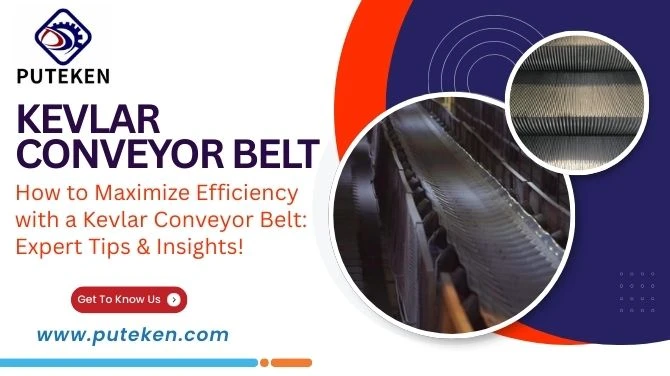
One of the major advantages of a polyurethane timing belt is its dimensional stability. Over time, many belts stretch, lose tension, or shift alignment—leading to inefficiencies or malfunctions. However, polyurethane belts are reinforced with durable steel or Kevlar cords that maintain their shape, precision, and flexibility even under extreme tension or temperature changes.
This is especially important in robotics and automated conveying systems where accuracy and tight control are non-negotiable.
3. Superior Chemical and Oil Resistance
Industrial environments are often exposed to oils, coolants, solvents, and other chemicals that can degrade rubber-based belts. The polyurethane timing belt, on the other hand, boasts outstanding chemical resistance, making it ideal for pharmaceutical production, food and beverage processing, and other hygiene-critical sectors. It resists contamination, repels oils, and maintains performance integrity even in chemically aggressive settings.
4. Compatibility with Custom Profiles and Coatings
Customization is a major advantage of polyurethane belts. At Shanghai Puteken, we offer custom-molded timing belts with specialized tooth profiles, coatings, and backings. This allows our clients to engineer their polyurethane timing belt systems precisely for niche applications—whether that’s grip-enhancing textures for material handling or anti-static coatings for electronics production.
Additionally, polyurethane allows for a clean, smooth surface with minimal friction, reducing drag and extending longevity even further.
5. Temperature and Environmental Adaptability
Unlike rubber belts that crack or degrade at extreme temperatures, polyurethane belts perform reliably across a broad temperature range, typically between -30°C to +80°C and even higher with special formulations. This makes them suitable for refrigerated logistics, heat-curing processes, and outdoor applications exposed to fluctuating temperatures.
In humid or wet conditions, the polyurethane timing belt is also hydrophobic, meaning it resists moisture absorption and won’t swell or lose strength—key for food-grade or bottling applications.
6. Maintenance and Downtime Reduction
Thanks to their ruggedness and durability, polyurethane timing belts drastically reduce the frequency and cost of maintenance. Belt replacements, adjustments, and alignment checks are less frequent. With minimized downtime and fewer production halts, companies can achieve better throughput and return on investment.
At Shanghai Puteken Transmission System Co., Ltd., our precision-manufactured polyurethane belts reduce vibration, noise, and mechanical stress, all of which contribute to longer operational life and fewer disruptions.
Applications of Polyurethane Timing Belts Across Industries
Let’s take a quick look at where polyurethane belts are making an impactful difference:
- Food Processing Equipment – Hygienic, oil-resistant, and easy to clean
- Pharmaceutical Conveyors – Meets cleanroom and contamination-resistance standards
- Automotive Manufacturing – High-load and precision timing for production lines
- Packaging Machines – Non-slip synchronization for gluing, folding, and cutting
- Textile and Printing Machines – Low-wear, accurate tensioning at high speeds
- Logistics and Warehousing – Reliable performance over long distances and time
No matter the industry, when reliability is paramount, the polyurethane timing belt is often the silent hero behind smooth-running machinery.
Why Choose Shanghai Puteken Transmission System Co., Ltd.?
As a leader in advanced transmission solutions, Shanghai Puteken Transmission System Co., Ltd. takes pride in offering premium-grade polyurethane timing belts that are as reliable as they are customizable. With decades of experience and strong R&D capabilities, we support clients across industries with integrated, long-lasting conveyor and transmission systems.
Our polyurethane belts are manufactured with precision, reinforced with steel or Kevlar cords, and available in a wide range of profiles, coatings, and tooth designs tailored for high performance under the strictest conditions.
The polyurethane timing belt stands as a cornerstone in the world of modern industrial automation. It offers a mix of strength, adaptability, cleanliness, and precision that few other belt materials can rival. From reducing machine maintenance and downtime to maximizing hygienic safety standards, polyurethane belts offer a long-term return on investment across virtually any sector.
So, whether you're designing a new piece of equipment or upgrading an existing system, don’t let your machine run on outdated technology. Upgrade to a polyurethane timing belt—the secret to long-term, high-performance operation.
Frequently Asked Questions (FAQ)
1. What makes a polyurethane timing belt better than rubber?
Polyurethane offers superior durability, resistance to wear, oils, and chemicals, and better temperature tolerance. It also supports custom profiles and lasts significantly longer under stress.
2. Can polyurethane timing belts be used in food-grade applications?
Absolutely. Many polyurethane timing belts are FDA-approved and feature hygienic surfaces that are safe for direct food contact and easy to clean.
3. How often should I replace a polyurethane timing belt?
This depends on the operating conditions. However, compared to rubber belts, polyurethane belts generally require replacement less frequently, offering longer service intervals and reducing overall maintenance costs.
4. Do polyurethane belts stretch over time?
Unlike rubber belts, polyurethane timing belts have high dimensional stability thanks to embedded reinforcement cords like Kevlar or steel. This prevents stretching and slippage.
5. Can Shanghai Puteken customize timing belts for specific equipment?
Yes, we offer complete customization, including tooth profile, backing, length, width, and special surface treatments depending on the client's operational requirements.























Sign in to leave a comment.