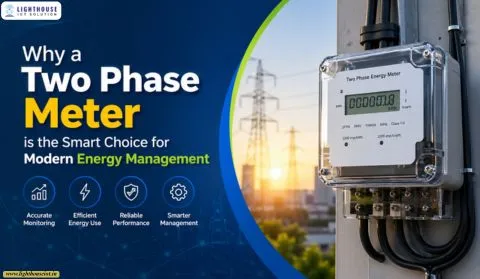
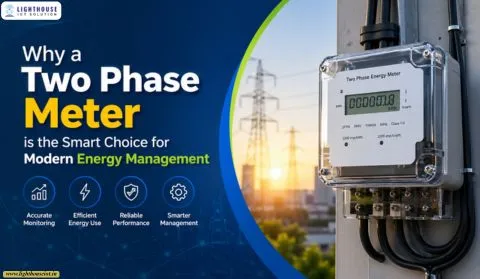
Electricity has quietly become one of the highest operational costs for both homes and small businesses. Yet, in many cases, the way it’s monitored hasn’t evolved much. Bills arrive at the end of the month, numbers are checked, and payments are made, without really understanding where the energy is going. This gap is exactly where a two phase meter starts to make a noticeable difference.
Instead of simply recording consumption, it allows better control over how electricity is distributed and used, especially in environments where demand isn’t consistent throughout the day.
Understanding How a Two Phase Meter Works
A two phase meter is designed for setups that draw power from two phases. This is common in places where a single phase supply isn’t sufficient to handle the load, but a full three-phase connection may not be necessary.
In practical terms, this includes:
- Retail shops running multiple appliances
- Small manufacturing or repair units
- Offices with moderate equipment usage
- Larger homes with heavier electrical loads
What makes it useful is its ability to measure and manage consumption more evenly across two lines. This reduces the chances of overloading a single phase and improves overall system stability.
Moving Beyond Traditional Metering
Older meters do one job: they record how much electricity has been used. That’s it. They don’t explain patterns, highlight inefficiencies, or help you change anything.
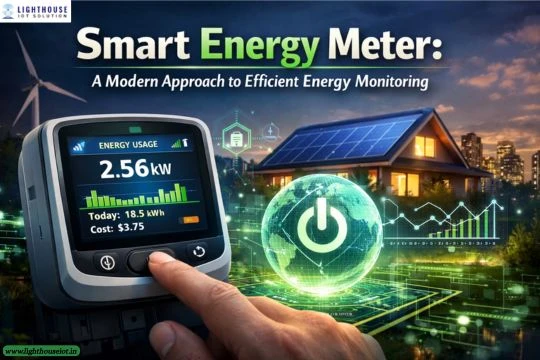
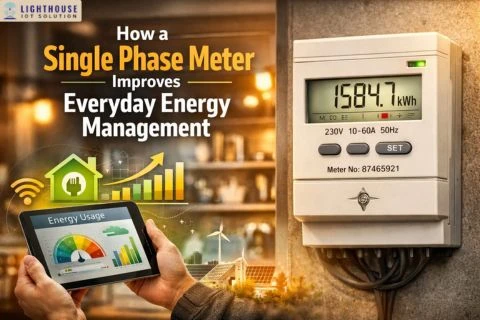
A smart energy meter, on the other hand, changes how you interact with your electricity usage. Instead of waiting for a bill, you can see consumption trends as they happen.
This shift matters more than it seems. When you can actually observe usage patterns, small changes, like adjusting operating hours or switching off idle equipment, start to add up.
Where Real Energy Savings Come From
An energy saving meter doesn’t magically reduce electricity consumption. What it does is give clarity. And clarity leads to better decisions.
For example, many businesses discover that a significant portion of their energy is consumed during non-productive hours. Machines left on standby, lighting in unused areas, or inefficient equipment can quietly increase costs.
With proper monitoring:
- Waste becomes visible
- Load distribution can be balanced
- High-consumption devices can be identified
Over time, this kind of awareness leads to consistent savings rather than one-time reductions. Lighthouse IoT delivers purpose-built metering solutions that align with modern energy needs, helping businesses and property owners gain better control, improve efficiency, and reduce operational costs.
Why Prepaid Systems Are Gaining Popularity
Managing electricity expenses can be unpredictable, especially in shared or rental spaces. This is where a keypad meter becomes practical.
Instead of dealing with monthly billing cycles, users can prepay for electricity and track usage as it happens. The system is straightforward: recharge, use, and monitor balance.
This approach works well in:
- Rental properties
- Paying guest accommodations
- Small commercial units with multiple tenants
It reduces disputes, improves accountability, and makes budgeting much simpler for both owners and users.
Adding Convenience with Bluetooth Connectivity
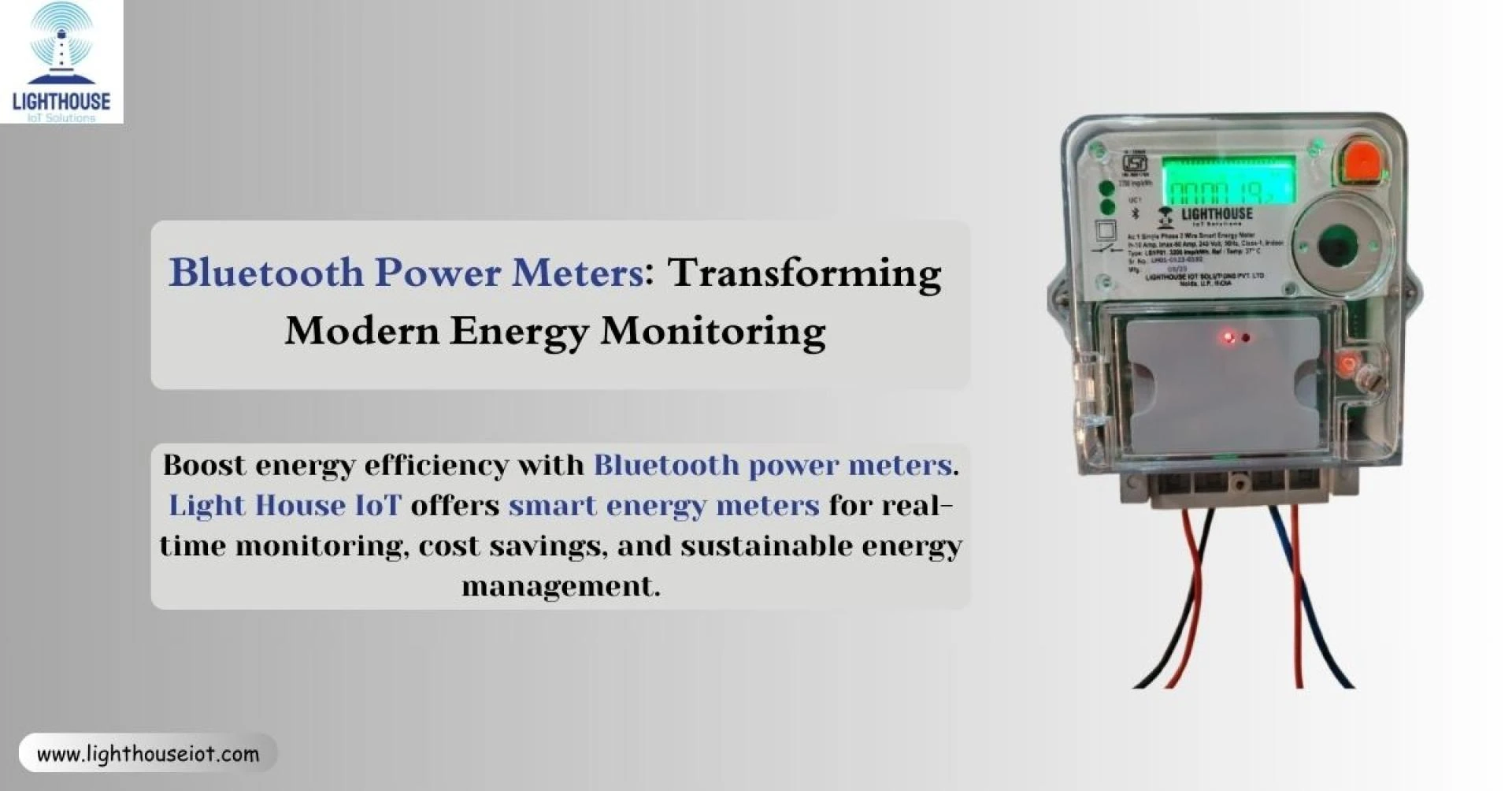
Technology is gradually removing the need for manual intervention in everyday systems. A bluetooth meter is a good example of that shift.
Rather than physically checking readings, users can access consumption data directly from their phones within range. This may seem like a small feature, but in practice, it saves time and simplifies monitoring.
It also helps with:
- Quick diagnostics
- Easier maintenance checks
- Immediate access to usage data
For businesses that rely on consistent operations, this added convenience can make routine management much smoother.
Why the Shift Toward Smarter Metering is Inevitable
Energy costs aren’t likely to decrease anytime soon. At the same time, the demand for electricity continues to grow with increased automation and digital infrastructure.
In this context, relying on outdated metering systems creates unnecessary inefficiencies. A two phase meter combined with smart features offers a more adaptive approach.
It allows users to:
- Respond to changing energy needs
- Maintain better control over expenses
- Build systems that can scale as requirements grow
For small and medium-sized businesses, this flexibility is particularly valuable. A well-matched system doesn’t just track usage; it supports better planning and long-term efficiency.
Solutions from Lighthouse IoT are built with this mind shift, combining reliable metering with practical smart features. Their systems are designed to simplify energy tracking without adding unnecessary complexity.
Final Thoughts
The conversation around energy is gradually shifting from consumption to control. People are no longer satisfied with just knowing how much they’ve used; they want to understand how and why.
A two phase meter, especially when combined with tools like a smart energy meter, energy saving meter, keypad meter, or Bluetooth meter, offers a practical way to move in that direction.
It’s not about adding complexity. It’s about making energy usage more transparent, manageable, and aligned with real needs. And in the long run, that’s what leads to both cost savings and better system reliability.
- For More Info:
- https://lighthouseiot.in/details/timer-uday

















Sign in to leave a comment.