In the age of rising energy costs and increasing emphasis on sustainability, ensuring the efficiency of your heating, ventilation, and air conditioning (HVAC) system is more important than ever. Whether you're a homeowner looking to cut down on utility bills or a business striving to meet environmental compliance standards, an HVAC system audit can be a game-changer.
What Is an HVAC System Audit?
An HVAC system audit is a comprehensive evaluation of your heating and cooling systems to assess their performance, energy efficiency, and overall condition. The goal of the audit is to identify inefficiencies, malfunctioning components, and areas for improvement that can lead to reduced energy usage and improved indoor comfort.
Unlike routine maintenance, which focuses on cleaning and minor repairs, an HVAC audit takes a broader and more detailed approach. It involves a thorough inspection of all system components, including:
- Furnaces and air handlers
- Air conditioners and heat pumps
- Ductwork and airflow
- Thermostats and control systems
- Insulation and building envelope
- Energy consumption patterns
Why Conduct an HVAC Audit?
1. Reduce Energy Costs
HVAC systems account for nearly 40-60% of energy use in residential and commercial buildings. An inefficient system can significantly inflate your monthly utility bills. An audit helps identify areas where your system is overworking or energy is being lost—allowing you to take corrective action that translates directly into cost savings.
2. Improve Comfort
Uneven temperatures, high humidity, or poor air quality can all be signs of an imbalanced or malfunctioning HVAC system. An audit can pinpoint the root causes of these issues, from blocked vents to improperly sized equipment, helping restore comfort throughout your space.
3. Extend Equipment Life
When HVAC components are operating inefficiently, they tend to wear out faster. By catching problems early—like clogged filters, failing motors, or refrigerant leaks—an audit can help you avoid costly emergency repairs and extend the lifespan of your system.
4. Meet Sustainability Goals
Whether you're aiming for a LEED certification or simply want to reduce your carbon footprint, an HVAC audit supports your sustainability efforts. By optimizing your system’s performance, you minimize energy waste and reduce greenhouse gas emissions.
5. Plan for Future Upgrades
Audits provide valuable data that can inform future decisions. Whether you're considering upgrading to a smart thermostat or installing a more efficient heat pump, an audit gives you a clear picture of what's needed most and where your investment will have the greatest impact.
What Happens During an HVAC Audit?
A professional HVAC technician or energy auditor typically follows a structured process:
1. Initial Consultation
The audit begins with a discussion of your energy concerns, comfort issues, and usage patterns. Historical utility bills may also be reviewed to identify trends.
2. Equipment Inspection
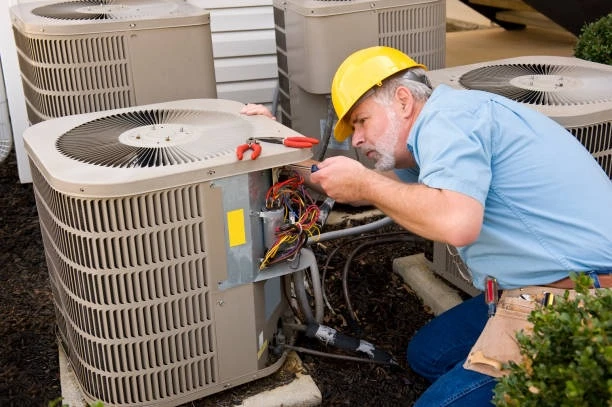
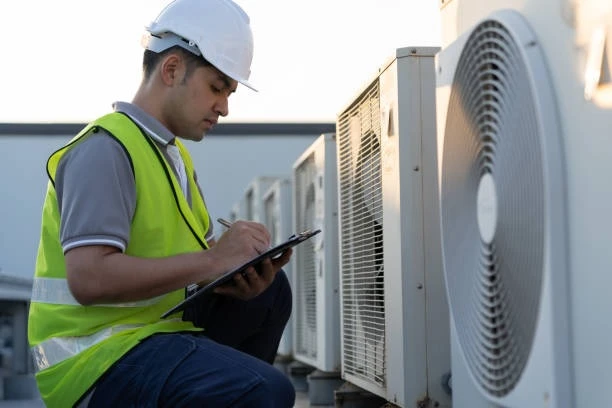
Technicians will inspect HVAC units, test electrical components, check refrigerant levels, and ensure the system is properly calibrated. Thermostat settings and controls are also reviewed.
3. Airflow and Duct Analysis
Using specialized tools, auditors will evaluate airflow through vents and check for leaks, blockages, or insulation gaps in ductwork.
4. Energy Efficiency Testing
Blower door tests, infrared thermography, and combustion analysis may be used to evaluate the building envelope and equipment efficiency.
5. Report and Recommendations
After the audit, you'll receive a detailed report outlining findings, energy-saving opportunities, and estimated return on investment for suggested upgrades.
DIY vs. Professional HVAC Audits
While there are simple things you can do yourself—like changing filters, sealing visible duct leaks, or installing a programmable thermostat—a professional audit delivers a level of insight and accuracy that DIY methods can't match. Certified auditors use advanced diagnostic tools and software to provide data-driven recommendations that go far beyond surface-level observations.
Conclusion
An HVAC system audit isn’t just a luxury—it’s a smart investment in your comfort, budget, and the environment. With the potential to save hundreds to thousands of dollars annually, boost system performance, and create a more sustainable living or working space, the benefits are clear.
If you haven’t had your HVAC system audited in the past few years, now is the time. As energy regulations tighten and costs climb, the efficiency of your HVAC system could be the key to long-term savings and comfort.
Contact Information
+971-501001615
Barsha Heights, Dubai, UAE


























Sign in to leave a comment.