

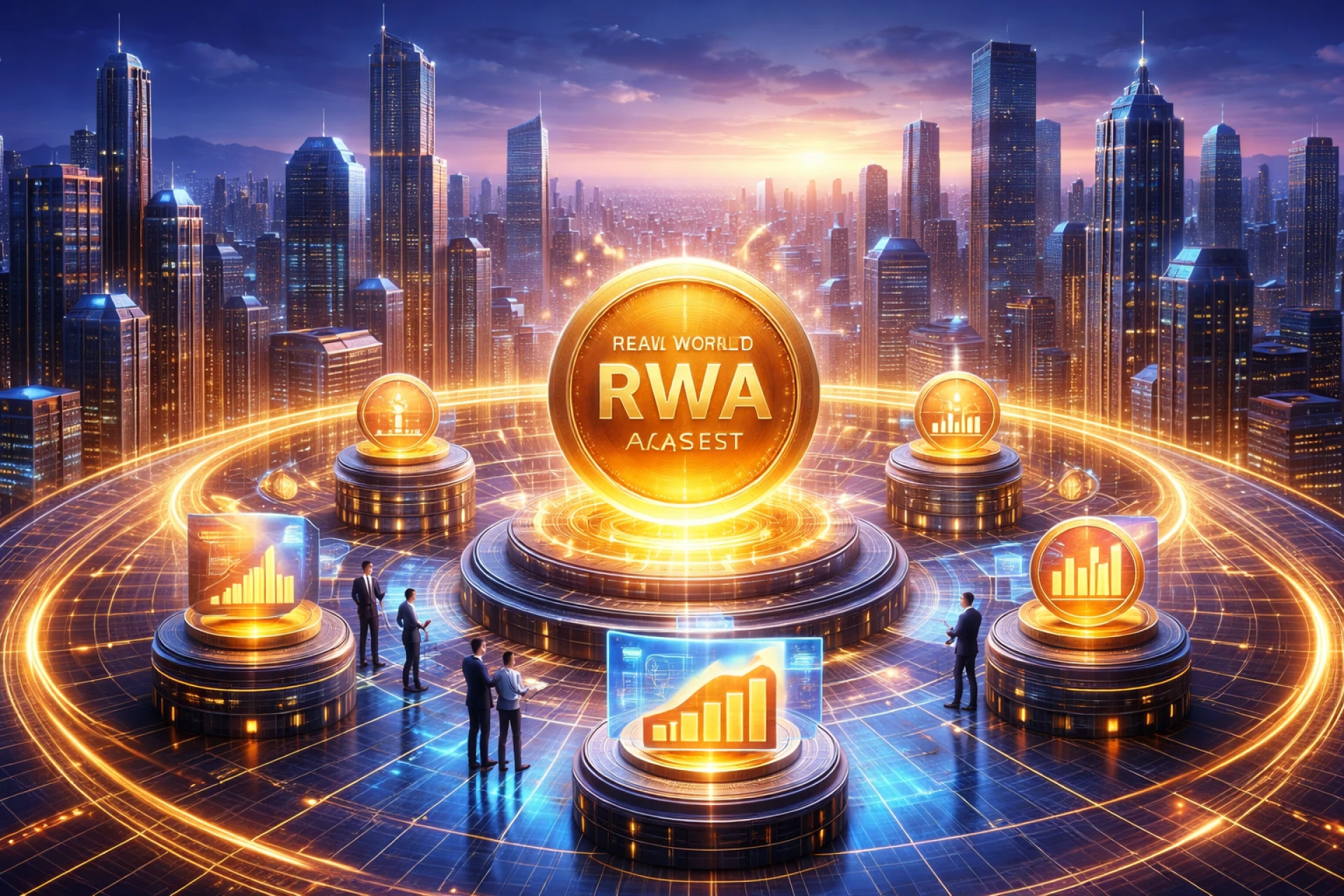
Real World Asset tokenization has moved rapidly from experimental blockchain use cases to a strategic priority for global enterprises. Once viewed as a niche innovation confined to crypto-native startups, RWA tokenization platform development is now being actively pursued by banks, real estate firms, asset managers, fintech companies, logistics enterprises, and even governments. This acceleration is not accidental. It reflects a convergence of market pressure, regulatory maturity, technological readiness, and enterprise demand for efficiency, liquidity, and global scalability.
Enterprises are realizing that tokenization is not just about converting assets into digital tokens. It is about redesigning the way value is created, stored, transferred, and monetized across industries. As traditional financial systems strain under operational inefficiencies and fragmented infrastructure, RWA tokenization platforms offer a fundamentally better model for asset ownership and exchange.
This article explores why enterprises are accelerating RWA tokenization platform development now, what forces are driving this shift, and how tokenization is becoming a core pillar of next-generation digital infrastructure.
Understanding RWA Tokenization in an Enterprise Context
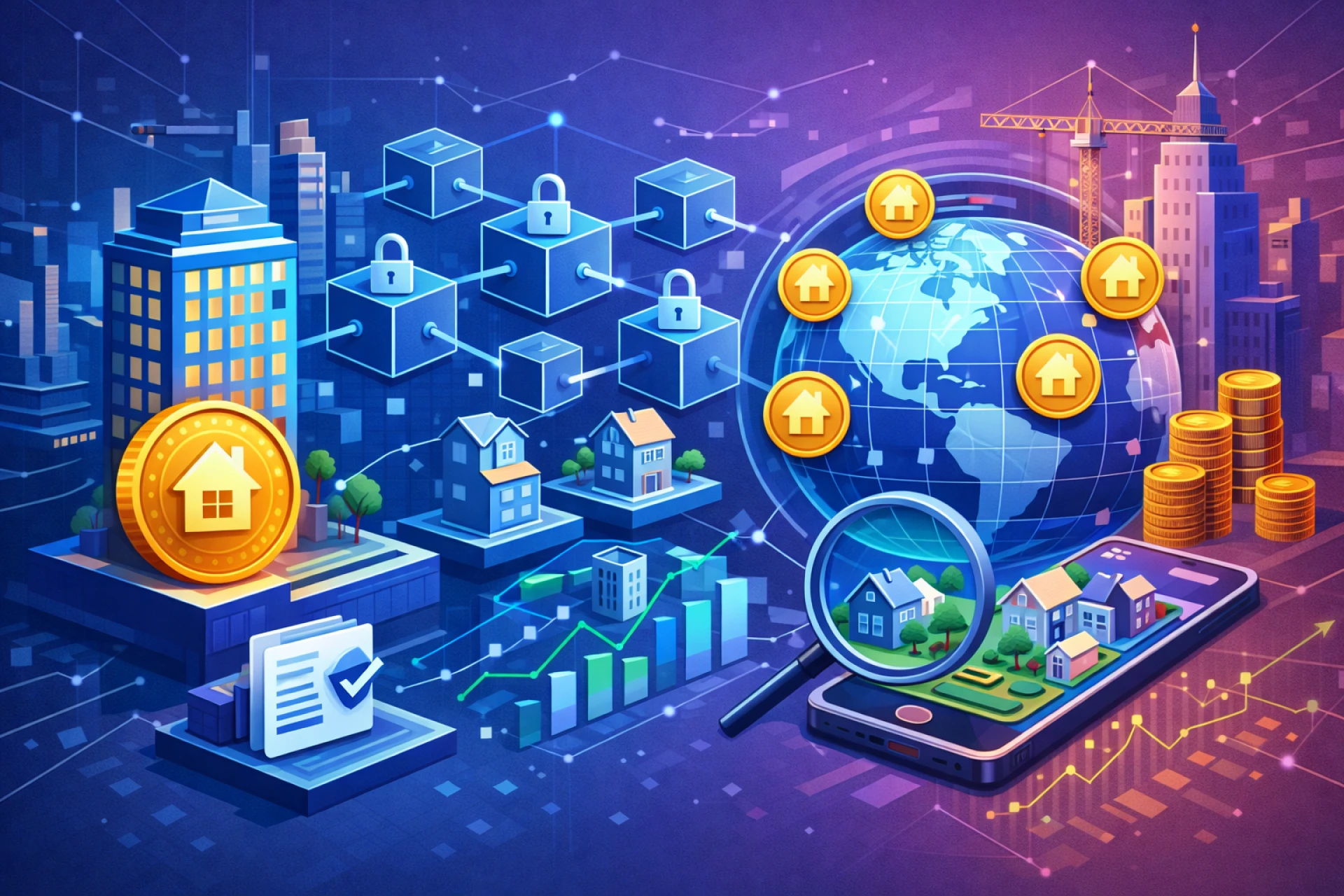
RWA tokenization refers to the process of representing ownership rights of real-world assets as blockchain-based digital tokens. These assets can include real estate, commodities, bonds, invoices, intellectual property, carbon credits, infrastructure projects, and private equity.
For enterprises, tokenization is not simply a technical exercise. It involves legal structuring, compliance frameworks, custody models, asset lifecycle management, and integration with existing systems. A robust RWA tokenization platform serves as the foundation that connects physical or contractual assets to digital markets while maintaining regulatory alignment and operational control.
Unlike early crypto projects focused on speculative trading, enterprise-grade tokenization platforms prioritize security, governance, auditability, scalability, and real economic value.
Liquidity Pressure Is Forcing Enterprises to Rethink Asset Models
One of the most powerful drivers behind the acceleration of RWA tokenization platform development is liquidity pressure. Enterprises across industries are holding trillions of dollars in illiquid assets that are difficult to sell, collateralize, or fractionalize.
Traditional asset markets often suffer from long settlement cycles, limited buyer pools, high transaction costs, and geographical restrictions. These limitations lock capital into static assets and reduce financial agility.
Tokenization transforms illiquid assets into divisible digital units that can be traded, transferred, or used as collateral more efficiently. Fractional ownership allows enterprises to unlock value without fully selling assets. Investors gain access to asset classes that were previously inaccessible due to high capital requirements.
As macroeconomic uncertainty increases and capital efficiency becomes critical, enterprises are adopting tokenization as a liquidity optimization strategy rather than an experimental technology.
Regulatory Clarity Has Reduced Enterprise Risk Aversion
For years, regulatory uncertainty slowed enterprise adoption of blockchain-based asset models. Legal ambiguity around token classification, custody, investor protection, and cross-border compliance created unacceptable risk for large organizations.
That landscape is changing. Many jurisdictions have introduced clearer frameworks for digital securities, asset-backed tokens, and regulated token issuance. While regulations vary by region, the overall trend favors structured, compliant tokenization rather than outright restriction.
This growing clarity allows enterprises to design RWA tokenization platforms with compliance built into the architecture. Features such as permissioned access, identity verification, audit trails, transfer restrictions, and jurisdiction-based controls enable enterprises to meet regulatory requirements without sacrificing efficiency.
As compliance risk decreases, strategic adoption accelerates.
Enterprise Blockchain Infrastructure Has Reached Maturity
Earlier blockchain networks struggled with scalability, unpredictable fees, limited privacy, and weak interoperability. These limitations made them unsuitable for enterprise-grade asset management.
Today’s blockchain infrastructure offers significant improvements. Enterprises can deploy tokenization platforms using permissioned or hybrid networks that provide predictable performance, enhanced privacy, and governance controls. Smart contract frameworks have matured, reducing security risks and development complexity.
Integration tools now allow tokenization platforms to connect with enterprise resource planning systems, accounting software, banking rails, and custody providers. This interoperability eliminates the isolation that once plagued blockchain initiatives.
As the underlying technology stabilizes, enterprises are shifting from pilot projects to full-scale production platforms.
Institutional Investors Are Driving Demand for Tokenized Assets
Another key reason enterprises are accelerating RWA tokenization platform development is growing institutional investor demand. Asset managers, hedge funds, family offices, and pension funds are actively exploring tokenized instruments as part of diversified portfolios.
Tokenized assets offer transparency, faster settlement, reduced counterparty risk, and programmable compliance. These features align well with institutional requirements for risk management and reporting.
Enterprises that tokenize assets gain access to a broader investor base while maintaining control over issuance terms and ownership structures. The ability to embed rules directly into tokens reduces operational overhead and compliance friction.
As institutional capital flows toward tokenized markets, enterprises are building platforms to meet this demand rather than relying on third-party intermediaries.
Operational Efficiency Is Becoming a Strategic Imperative
Traditional asset management involves multiple intermediaries, manual reconciliation, paper-based documentation, and fragmented data silos. These inefficiencies increase costs, slow transactions, and introduce operational risk.
RWA tokenization platforms replace many of these processes with automated smart contracts and shared ledgers. Asset issuance, ownership transfers, dividend distribution, and reporting can be executed with minimal human intervention.
For enterprises managing large asset portfolios, even small efficiency gains translate into significant cost savings. Tokenization also improves data accuracy by creating a single source of truth for asset ownership and transaction history.
In an environment where operational excellence is critical to competitiveness, enterprises see tokenization as a structural upgrade rather than a tactical improvement.
Globalization of Asset Markets Is Accelerating
Enterprises increasingly operate in global markets, but asset ownership and investment structures remain heavily localized. Cross-border transactions are often slow, expensive, and legally complex.
Tokenization enables global participation by representing assets digitally and enforcing jurisdiction-specific rules programmatically. Investors from different regions can access tokenized assets without traditional intermediaries, provided compliance requirements are met.
For enterprises, this global reach expands capital access and reduces dependence on local financing channels. It also enables new business models, such as global fractional ownership or cross-border revenue sharing.
As globalization continues to reshape markets, enterprises are building tokenization platforms that support international scalability from the ground up.
Data Transparency and Trust Are Now Competitive Advantages
Trust has become a critical factor in enterprise relationships with investors, partners, and regulators. Traditional asset markets rely heavily on intermediaries to establish trust, often at high cost and low transparency.
Blockchain-based tokenization platforms provide immutable records of asset ownership, transaction history, and governance actions. This transparency reduces disputes, improves auditability, and enhances stakeholder confidence.
Enterprises that adopt tokenization can differentiate themselves by offering greater visibility into asset performance and ownership structures. This transparency is particularly valuable in sectors such as real estate, infrastructure, and supply chain finance.
As trust becomes a measurable competitive advantage, tokenization platforms serve as trust infrastructure rather than just technical tools.
The Rise of Asset Programmability Is Unlocking New Revenue Models
One of the most transformative aspects of RWA tokenization is programmability. Smart contracts allow enterprises to define complex rules for asset behavior, revenue distribution, and lifecycle events.
For example, rental income, royalties, interest payments, or profit sharing can be automatically distributed to token holders based on predefined logic. Compliance checks can be enforced at the transaction level rather than through manual oversight.
This programmability enables new monetization models that were previously impractical or too costly to manage. Enterprises can create dynamic assets that respond to market conditions, performance metrics, or contractual triggers.
As businesses seek innovation beyond cost reduction, tokenization platforms become engines for revenue experimentation and product differentiation.
Competitive Pressure Is Accelerating Adoption
Early adopters of RWA tokenization are already gaining strategic advantages. They are attracting new investors, reducing capital costs, improving liquidity, and offering more flexible asset structures.
As these benefits become visible, competitive pressure intensifies. Enterprises that delay adoption risk falling behind peers who are modernizing asset infrastructure and capturing market share.
This competitive dynamic creates a network effect. As more assets become tokenized, supporting ecosystems such as custodians, exchanges, and compliance providers mature further. Late adopters face higher opportunity costs and steeper learning curves.
Acceleration is therefore driven not only by internal strategy but also by external market momentum.
RWA Tokenization Aligns with Long-Term Digital Transformation Goals
Most enterprises are already undergoing digital transformation initiatives focused on automation, data integration, and platform-based business models. RWA tokenization aligns naturally with these goals.
Tokenization platforms act as digital layers that sit above physical assets, enabling real-time data access, analytics, and integration with digital services. They convert static assets into active digital resources that can be leveraged across multiple systems.
Rather than being a standalone blockchain project, tokenization becomes part of a broader enterprise architecture that supports innovation, scalability, and resilience.
This strategic alignment makes tokenization easier to justify at the executive level and accelerates investment decisions.
The Shift from Experimentation to Execution
In earlier phases, enterprises approached tokenization cautiously through proofs of concept and limited pilots. Today, the conversation has shifted toward execution, deployment, and scalability.
Executives now ask how quickly platforms can be built, how assets can be onboarded securely, and how tokenized markets can be integrated with existing operations. The focus is on time to value rather than technological novelty.
This shift reflects growing confidence in both the technology and its business relevance. Enterprises are no longer testing whether tokenization works. They are determining how to implement it effectively.
Conclusion
Enterprises are accelerating RWA tokenization platform development now because the conditions are finally right. Liquidity constraints, regulatory progress, infrastructure maturity, investor demand, and competitive pressure have converged to make tokenization a strategic necessity rather than an optional innovation.
RWA tokenization platforms enable enterprises to unlock capital, improve efficiency, expand global reach, and build trust through transparency. They transform assets from static holdings into programmable, liquid, and data-rich digital instruments.
As tokenized markets continue to evolve, enterprises that invest early in robust, compliant, and scalable platforms will be best positioned to lead in the next era of asset ownership and value exchange. Those who hesitate may find themselves constrained by legacy systems in a world that increasingly operates on digital rails.
The acceleration happening today is not a temporary trend. It marks a foundational shift in how enterprises define, manage, and monetize real-world assets in the digital economy.






























Sign in to leave a comment.