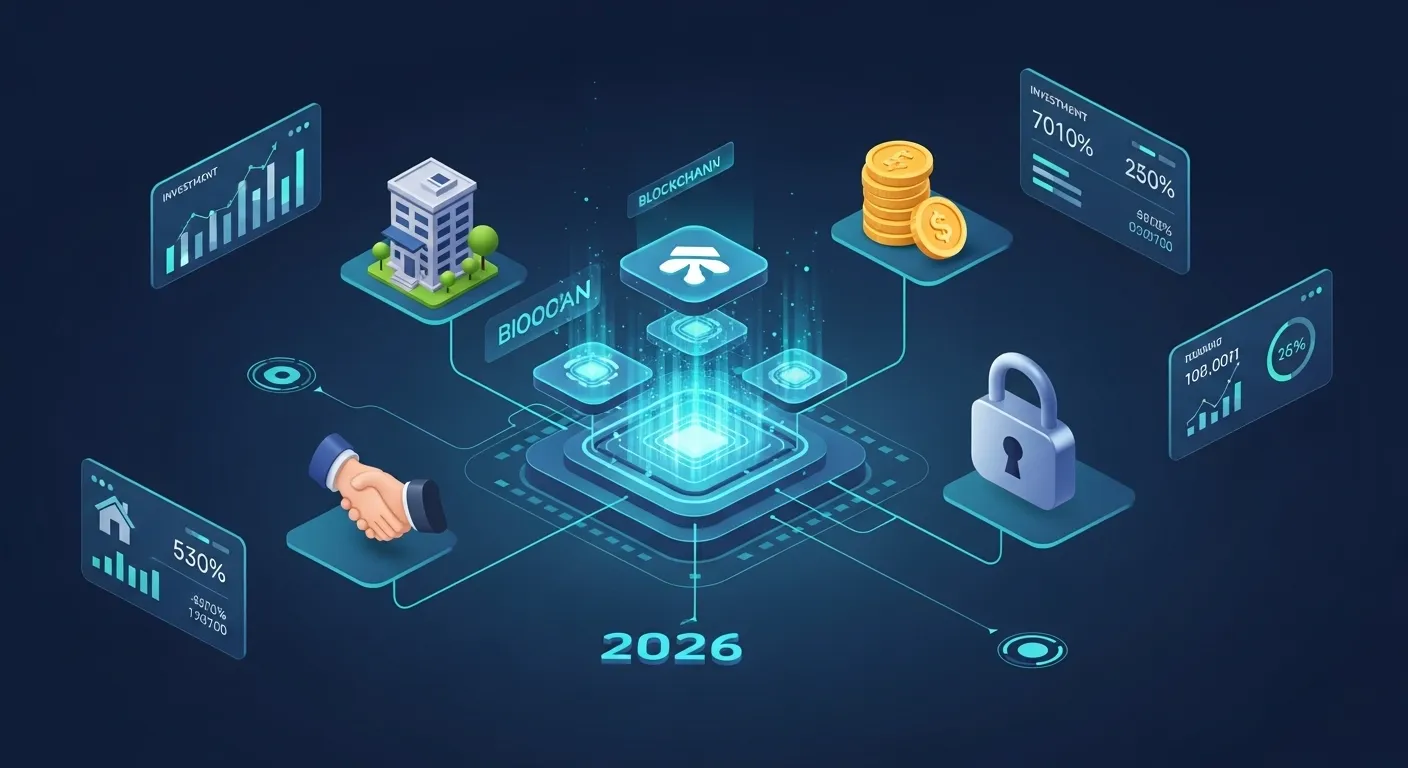

Real estate has always been one of the most valuable asset classes, yet it has remained relatively difficult to access for many investors. High capital requirements, lengthy paperwork, and limited liquidity have traditionally restricted participation. In 2026, a noticeable shift is underway. Digital systems based on blockchain are changing how ownership is recorded, traded, and divided. This shift is closely tied to the rise of Real Estate Tokenization, where physical property is represented digitally and divided into smaller ownership units.
This approach is not just about digitizing assets. It changes how investors interact with property markets. From fractional ownership to faster settlement cycles, blockchain is introducing new structures that were not practical before. As a result, both individual and institutional investors are reconsidering how they approach property investment.
Understanding Real Estate Tokenization
Real Estate Tokenization refers to the process of converting ownership rights of a property into digital tokens stored on a blockchain network. Each token represents a fraction of ownership in a real estate asset. These tokens can then be bought, sold, or traded on digital platforms.
Unlike traditional ownership, where a property is owned by one individual or a small group, tokenization allows ownership to be split among many participants. This makes it possible for investors to enter markets that were previously out of reach due to high costs.
In practical terms, a building or property is placed under a legal structure, and digital tokens are issued to represent ownership shares. These tokens are recorded on blockchain networks, which maintain an immutable ledger of transactions.
Why Blockchain Matters in Real Estate
Blockchain serves as the foundation for this model. It acts as a distributed ledger that records all transactions in a secure and verifiable manner. Once a transaction is recorded, it cannot be altered without consensus from the network.
This characteristic is important for real estate because property ownership requires reliable records. Traditional systems often involve multiple intermediaries such as brokers, legal advisors, and registries. Blockchain reduces dependence on these intermediaries by maintaining a shared record accessible to all participants.
Additionally, blockchain allows for automation through smart contracts. These are self-executing agreements that trigger actions when predefined conditions are met. In real estate, this could include transferring ownership once payment is completed or distributing rental income to token holders.
Fractional Ownership and Accessibility
One of the most noticeable outcomes of Real Estate Tokenization is fractional ownership. Instead of purchasing an entire property, investors can buy smaller portions through tokens.
This lowers the entry barrier for participation. For example, a commercial property worth millions can be divided into thousands of tokens. Investors can then purchase tokens based on their budget.
This approach also allows diversification. Instead of investing all capital into a single property, investors can spread their funds across multiple assets in different locations or sectors.
Real estate asset tokenization is making it possible for younger investors and those with limited capital to participate in property markets that were once dominated by large institutions.
Liquidity in Property Markets
Traditional real estate investments are known for low liquidity. Selling a property can take months or even years, depending on market conditions. Tokenization introduces a different approach.
Digital tokens can be traded on secondary markets, allowing investors to buy and sell ownership shares more easily. While this does not make real estate as liquid as stocks, it improves flexibility compared to conventional methods.
A Real Estate Tokenization Platform Development initiative often includes a marketplace where these tokens can be traded. This creates opportunities for investors to exit or adjust their positions without waiting for a full property sale.
Liquidity is particularly important for institutional investors who need flexibility in managing portfolios. It also appeals to individual investors who may want quicker access to their funds.
Role of Smart Contracts
Smart contracts are a central element in blockchain-based systems. They automate processes that would otherwise require manual intervention.
In real estate, smart contracts can handle several functions:
- Distribution of rental income to token holders
- Execution of purchase agreements
- Compliance checks based on regulatory requirements
- Transfer of ownership records
These contracts operate based on predefined rules. Once conditions are met, the contract executes automatically. This reduces delays and minimizes the risk of human error.
Real estate tokenization development relies heavily on these contracts to maintain efficiency and accuracy in transactions.
Security and Data Integrity
Property transactions involve significant financial value, making security a major concern. Blockchain addresses this through cryptographic techniques and decentralized storage.
Each transaction is recorded in a block and linked to previous transactions. This creates a chain that is resistant to tampering. Any attempt to alter data would require changes across the entire network, which is highly impractical.
For investors, this means that ownership records are reliable and accessible. It also reduces the risk of fraud, which has been a concern in some traditional property markets.
A Real Estate Tokenization Development company typically focuses on implementing secure blockchain protocols to protect both investors and asset owners.
Regulatory Considerations in 2026
Regulation has been a key factor influencing the growth of tokenized real estate. In 2026, many regions have introduced clearer guidelines for digital assets and tokenized securities.
These regulations address issues such as investor protection, compliance requirements, and taxation. While frameworks differ across countries, there is a general trend toward recognizing tokenized assets within existing legal systems.
Real Estate Tokenization Services often include compliance support to help businesses align with local laws. This may involve identity verification, anti-money laundering checks, and reporting requirements.
Regulation provides a level of trust for investors. It also encourages institutional participation, which contributes to market growth.
Use Cases Across Property Types
Blockchain-based tokenization is not limited to a specific type of real estate. It is being applied across various property categories:
Residential Properties
Individual homes and apartment units can be tokenized to allow shared ownership. This is useful in high-demand urban areas where property prices are high.
Commercial Real Estate
Office spaces, retail outlets, and business parks are being tokenized to attract a broader investor base.
Hospitality Sector
Hotels and resorts can distribute ownership among multiple investors, sharing profits from operations.
Industrial Assets
Warehouses and logistics centers are also being included, particularly as e-commerce continues to expand.
Each of these use cases benefits from fractional ownership and improved access to capital.
Benefits for Property Owners
Property owners are also finding value in tokenization. Instead of relying on traditional financing methods, they can raise funds by selling tokens representing ownership shares.
This approach provides an alternative to loans or full asset sales. Owners can retain partial control while accessing capital for development or expansion.
Real Estate Tokenization Development Services often assist property owners in structuring these offerings. This includes legal setup, token issuance, and platform integration.
Tokenization also opens access to a global pool of investors. This increases the chances of raising funds compared to relying on local markets alone.
Role of Technology Providers
A Real Estate Tokenization company plays an important role in bringing these systems to life. These companies handle technical development, platform design, and integration with blockchain networks.
Their services may include:
- Token creation and management
- Smart contract development
- Platform interface design
- Security implementation
- Compliance integration
Choosing the right Real Estate Tokenization Development company is important for both investors and property owners. The quality of the platform can influence user experience, security, and regulatory compliance.
Challenges and Limitations
While tokenization offers many benefits, it is not without challenges.
Regulatory Differences
Different countries have varying rules regarding digital assets. This can create complications for cross-border investments.
Market Awareness
Many investors are still unfamiliar with blockchain-based systems. Education is needed to build confidence and understanding.
Technology Barriers
Although blockchain systems are improving, there are still technical challenges related to scalability and integration with existing systems.
Valuation Concerns
Determining the value of tokenized assets can be complex, especially when trading occurs in secondary markets.
Real estate tokenization development continues to address these challenges through improved platforms and better regulatory alignment.
Integration with Financial Systems
In 2026, tokenized real estate is increasingly connected with traditional financial systems. Banks, investment firms, and asset managers are beginning to interact with blockchain platforms.
This integration allows for smoother transactions between digital and conventional systems. For example, investors can use traditional payment methods to purchase tokens, while blockchain records ownership.
Real Estate Tokenization Platform Development often includes features that support these integrations. This helps bridge the gap between traditional finance and digital assets.
Global Investment Opportunities
One of the major advantages of tokenization is access to global markets. Investors are no longer limited to properties within their local region.
Through blockchain platforms, they can invest in properties located in different countries. This creates opportunities for diversification and exposure to various markets.
Real estate asset tokenization supports this by providing a standardized way to represent ownership. Investors can compare opportunities across regions and make informed decisions.
However, cross-border investments also require careful consideration of legal and tax implications.
Future Outlook
As blockchain adoption continues, real estate tokenization is likely to become more integrated into mainstream investment strategies. Institutions are showing increasing interest, and more platforms are entering the market.
Advancements in technology will improve user experience and reduce barriers to entry. At the same time, regulatory clarity will provide a stable environment for growth.
Real Estate Tokenization Services will continue to evolve, offering more comprehensive solutions for both investors and property owners.
Conclusion
Blockchain is changing how real estate ownership is recorded, shared, and traded. By introducing digital tokens that represent property ownership, it is making real estate more accessible and flexible.
From fractional ownership to improved liquidity, the benefits are becoming more visible in 2026. At the same time, challenges related to regulation and awareness are being addressed through ongoing development and education.
Real estate tokenization development is not just a technical concept. It represents a shift in how property markets operate, opening new possibilities for participation and investment. As platforms mature and adoption increases, this model is expected to play a larger role in the global real estate landscape.



























Sign in to leave a comment.