

Tokenization has moved from experimental phases into structured financial discussions, largely due to growing institutional participation. Financial institutions, asset managers, and regulated entities are no longer observing from the sidelines. They are actively engaging with tokenized assets, evaluating infrastructure, and investing in Tokenization Platform Development to support new asset classes and digital ownership models.
This shift is changing how tokenized ecosystems are designed and operated. Earlier platforms often focused on retail participation and speculative markets. Today, the entry of institutions brings stricter requirements, deeper liquidity expectations, and long-term operational thinking. As a result, Tokenized asset platform development is becoming more structured, compliance-driven, and aligned with traditional financial systems.
This article examines how institutional adoption is influencing Asset Tokenization Platform Development, the changes it introduces to infrastructure and governance, and the practical methods used by companies entering this market.
Understanding Institutional Interest in Tokenization
Institutions approach tokenization differently from early crypto-native participants. Their priorities include risk management, regulatory clarity, asset security, and integration with existing financial systems. They are less focused on rapid experimentation and more concerned with reliability and auditability.
Several factors are pushing institutions toward tokenization:
- The ability to digitize real-world assets such as real estate, bonds, and commodities
- Improved settlement cycles compared to traditional systems
- Opportunities for fractional ownership in high-value assets
- Global investor access without traditional barriers
Tokenization Platform Development is now being influenced by these expectations. Platforms must accommodate institutional workflows, including compliance checks, reporting standards, and custodial frameworks.
How Institutional Adoption Is Reshaping Platform Design
Institutional participation is not just increasing demand. It is redefining how platforms are structured from the ground up. Asset Tokenization Platform Development now includes multiple layers that align with traditional finance systems.
Compliance-First Architecture
Institutions require platforms to comply with regional and international regulations. This includes identity verification, anti-money laundering measures, and transaction monitoring.
Instead of adding compliance as an afterthought, Tokenization Platform Development Services now integrate compliance mechanisms directly into platform architecture. This ensures that every transaction follows regulatory guidelines.
Custody and Asset Security
Custody solutions are critical for institutional adoption. Institutions need secure storage mechanisms for both digital tokens and underlying assets.
Tokenized asset platform development now includes:
- Multi-signature wallets
- Institutional-grade custody integrations
- Asset verification systems
These additions make platforms suitable for managing large volumes of capital.
Interoperability with Financial Systems
Institutions operate within established financial ecosystems. Tokenization platforms must connect with these systems, including banking infrastructure and trading platforms.
Asset tokenization development services often include API layers that allow integration with:
- Core banking systems
- Portfolio management tools
- Reporting dashboards
This interoperability ensures that tokenized assets can be managed alongside traditional assets.
The Role of Liquidity in Institutional Adoption
Liquidity remains a major concern for institutions entering tokenized markets. Early tokenization platforms struggled with limited trading activity, which discouraged large-scale participation.
With institutional involvement, liquidity dynamics are evolving:
- Institutions bring larger capital inflows
- Market-making strategies are becoming more structured
- Secondary markets are receiving more attention
Tokenization Platform Development now includes mechanisms to support liquidity, such as:
- Integrated marketplaces
- Automated trading features
- Cross-platform asset listings
These changes make tokenized assets more attractive for institutional portfolios.
Asset Classes Gaining Institutional Attention
Institutional players are not entering tokenization randomly. They are focusing on specific asset classes where tokenization offers measurable advantages.
Real Estate
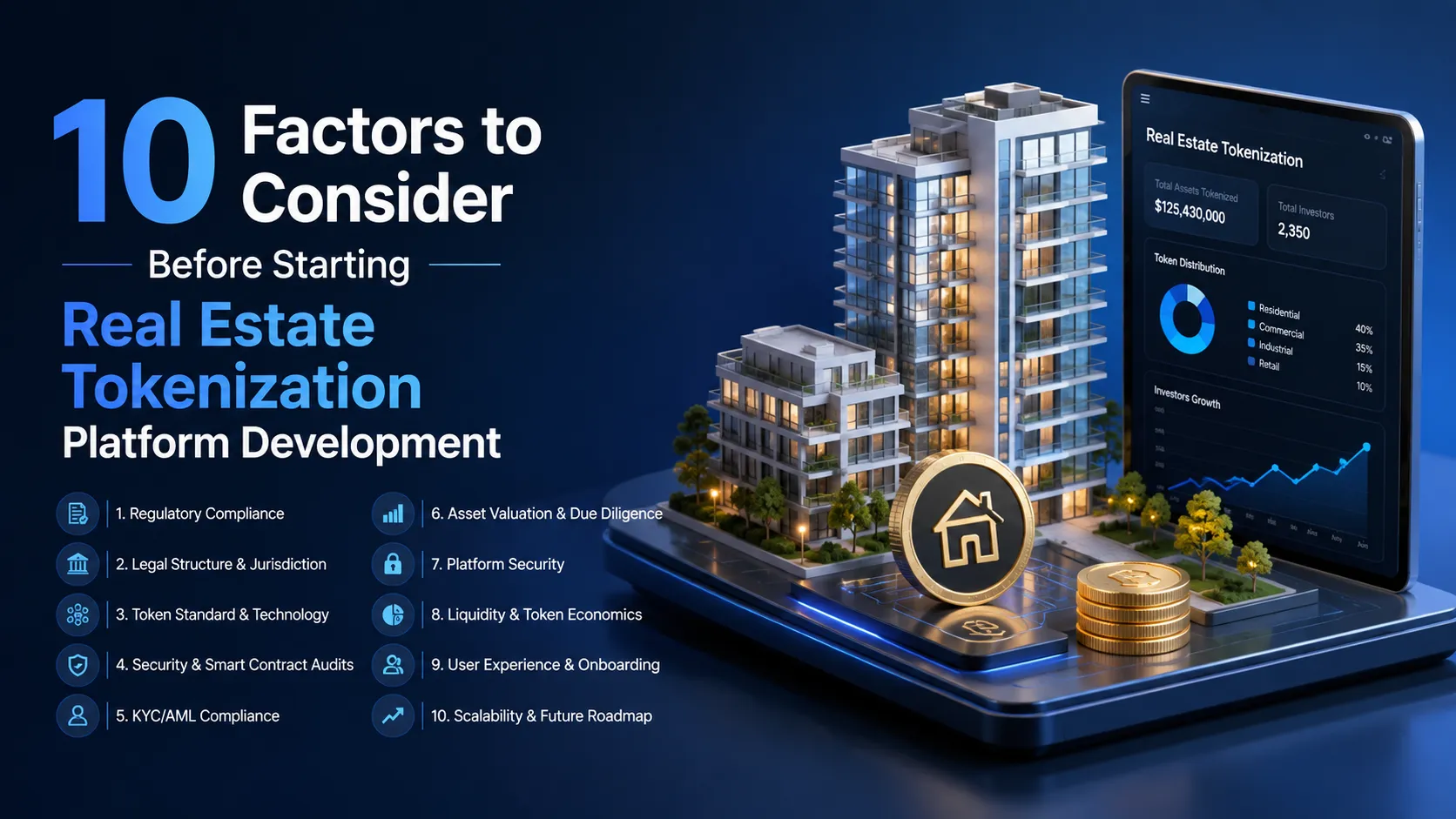
Real estate tokenization allows fractional ownership of high-value properties. Institutions see this as a way to diversify portfolios while maintaining exposure to physical assets.
Fixed Income Instruments
Bonds and debt instruments are being tokenized to reduce settlement time and improve accessibility. Institutions benefit from faster processing and reduced administrative overhead.
Private Equity and Venture Capital
Tokenization provides a way to digitize ownership in private companies. This increases liquidity in traditionally illiquid markets.
Commodities
Assets like gold and oil are being tokenized to simplify trading and ownership tracking.
Asset Tokenization Platform Development must support these diverse asset classes, each with unique requirements and compliance considerations.
Governance Models in Institutional Tokenization Platforms
Governance plays a significant role in institutional adoption. Unlike decentralized platforms with minimal oversight, institutional platforms require structured governance models.
These models often include:
- Defined roles for asset issuers, investors, and platform operators
- Voting mechanisms for decision-making
- Audit trails for all transactions
Tokenization Platform Development Services are increasingly incorporating governance frameworks that align with corporate and regulatory standards.
Technology Stack Evolution
The technology stack used in Tokenized asset platform development is evolving due to institutional demands. Platforms are moving beyond basic blockchain implementations to more complex architectures.
Hybrid Blockchain Models
Institutions prefer hybrid models that combine public and private blockchain features. This allows them to maintain control over sensitive data while benefiting from distributed ledger technology.
Smart Contract Standardization
Smart contracts are being standardized to reduce risk and improve interoperability. Institutions require predictable and auditable contract behavior.
Data Privacy Layers
Privacy is a major concern for institutions. Platforms now include encryption and permission-based access controls to protect sensitive information.
Risk Management in Institutional Tokenization
Risk management is central to institutional participation. Platforms must address various risks, including market volatility, regulatory changes, and technical vulnerabilities.
Asset tokenization development company solutions often include:
- Real-time monitoring systems
- Risk assessment tools
- Insurance integrations
These features help institutions manage exposure and maintain confidence in tokenized assets.
Methods for Developing Institution-Ready Tokenization Platforms
Developing a platform suitable for institutional use requires a structured approach. Below are some practical methods used by companies in Tokenization Platform Development.
Method 1: Regulatory Alignment from Day One
- Identify target jurisdictions
- Map regulatory requirements
- Integrate compliance tools early in development
This reduces the risk of legal complications later.
Method 2: Modular Platform Architecture
- Separate components such as compliance, trading, and custody
- Allow independent updates and scaling
- Improve system flexibility
Modular design helps platforms adapt to changing requirements.
Method 3: Institutional Custody Integration
- Partner with established custodians
- Implement multi-layer security protocols
- Provide asset verification mechanisms
This builds trust among institutional users.
Method 4: Liquidity Planning
- Develop secondary trading features
- Collaborate with market makers
- Create incentives for early participation
Liquidity planning is critical for long-term success.
Method 5: Interoperability Strategy
- Build API layers for system integration
- Support multiple blockchain networks
- Ensure compatibility with financial tools
This allows institutions to integrate tokenized assets into existing workflows.
Challenges Slowing Institutional Adoption
Despite progress, several challenges remain:
Regulatory Uncertainty
Different regions have varying rules for tokenized assets. This creates complexity for global platforms.
Technical Complexity
Developing secure and compliant platforms requires significant expertise.
Market Education
Institutions need time to understand the benefits and risks of tokenization.
Standardization Issues
Lack of universal standards makes interoperability difficult.
Asset Tokenization Platform Development Company teams are working to address these challenges through research, collaboration, and continuous improvement.
The Role of Service Providers in Institutional Adoption
Service providers play a significant role in bridging the gap between traditional finance and tokenized ecosystems.
Tokenization Platform Development Services now include:
- Consulting for regulatory compliance
- Platform design and development
- Integration with financial systems
- Ongoing maintenance and upgrades
An asset tokenization development company often works closely with institutions to align platform capabilities with business goals.
Future Outlook for Institutional Tokenization
Institutional adoption is expected to grow steadily as regulatory frameworks become clearer and technology matures. Several trends are likely to influence the future:
- Increased collaboration between financial institutions and blockchain firms
- Development of standardized protocols for tokenized assets
- Expansion into new asset classes such as intellectual property and digital rights
- Greater focus on cross-border transactions
Tokenized asset platform development will continue to evolve as institutions refine their strategies and requirements.
Strategic Considerations for Businesses Entering the Market
For businesses planning to enter the tokenization space, understanding institutional expectations is critical.
Key considerations include:
- Selecting the right blockchain infrastructure
- Ensuring compliance with local and international regulations
- Building partnerships with custodians and financial institutions
- Investing in security and risk management systems
Asset tokenization development services should be aligned with long-term goals rather than short-term trends.
Conclusion
Institutional adoption is changing the direction of Tokenization Platform Development. What started as an experimental concept is becoming part of structured financial systems. Institutions bring discipline, capital, and long-term thinking, which influences how platforms are designed and operated.
Tokenized asset platform development is no longer limited to basic blockchain implementations. It now involves compliance frameworks, custody solutions, interoperability layers, and governance models that align with traditional finance.
Asset Tokenization Platform Development is entering a phase where reliability, security, and regulatory alignment are more important than rapid experimentation. Companies offering Tokenization Platform Development Services and asset tokenization development services are adapting to these expectations by creating platforms that meet institutional standards.
As more institutions enter the space, the gap between traditional finance and tokenized ecosystems will continue to narrow. Businesses that understand this shift and plan accordingly will be better positioned to participate in the evolving digital asset landscape.



























Sign in to leave a comment.