

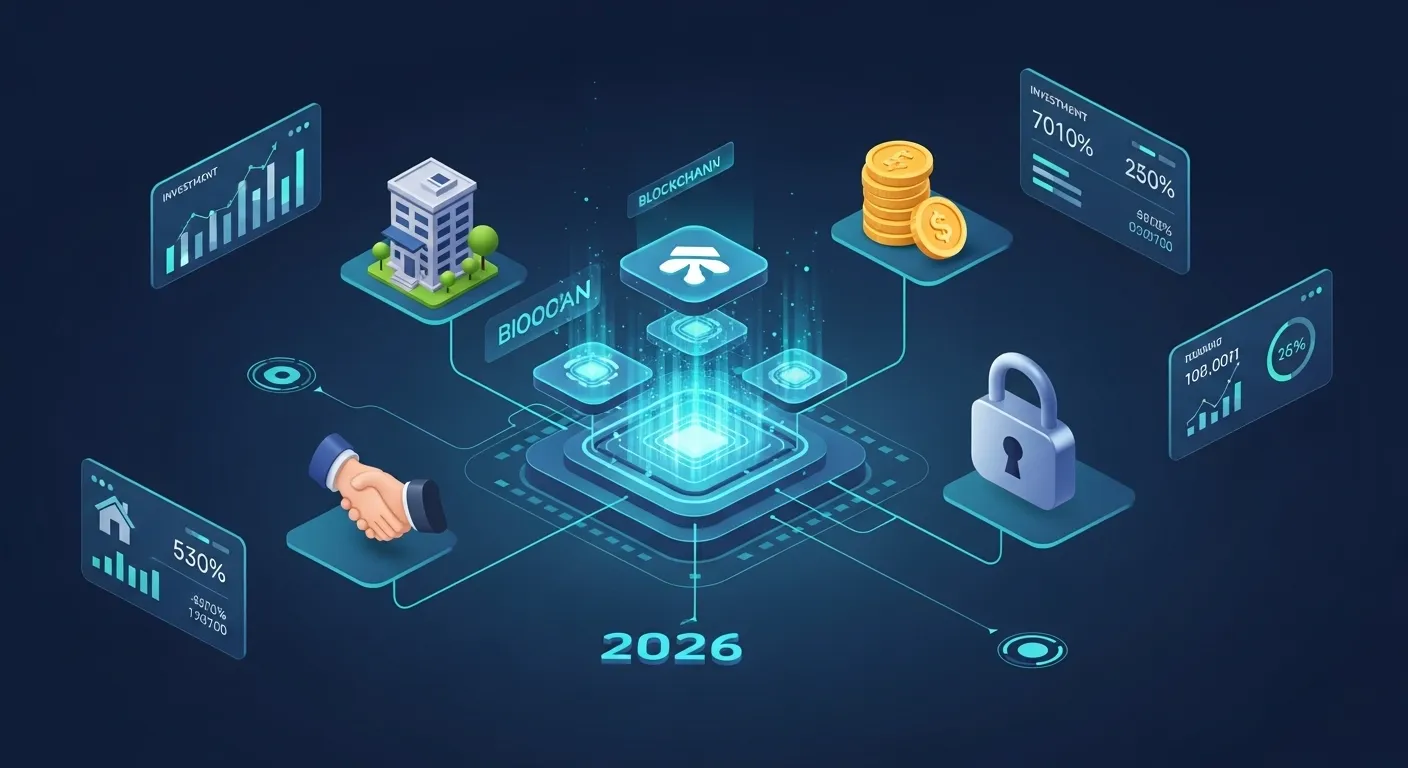
The financial world in 2026 is moving through a period where traditional systems are being questioned and reworked. Among the many changes taking place, asset tokenization has gained serious attention from financial institutions, startups, and regulators. What once seemed like a niche concept tied only to blockchain enthusiasts has now moved into real business applications across real estate, private equity, commodities, and even fine art.
Asset tokenization refers to converting ownership rights of real-world or digital assets into digital tokens stored on a blockchain. These tokens can represent fractional ownership, which opens the door to broader participation in markets that were once restricted to a small group of investors.
As adoption increases, Asset Tokenization Platform Development is becoming a central focus for businesses that want to stay relevant in a competitive financial environment. The pace at which these platforms are being adopted in 2026 has exceeded expectations, largely due to improvements in infrastructure, regulatory clarity, and investor demand.
Understanding the Shift Toward Tokenized Finance
To understand why tokenization is gaining traction so quickly, it is important to look at the limitations of traditional financial systems. Historically, investing in assets such as real estate or private funds required significant capital, long processing times, and reliance on intermediaries.
Tokenization changes this structure by digitizing ownership and recording it on distributed ledgers. This approach reduces dependency on multiple intermediaries and introduces a more direct interaction between asset issuers and investors.
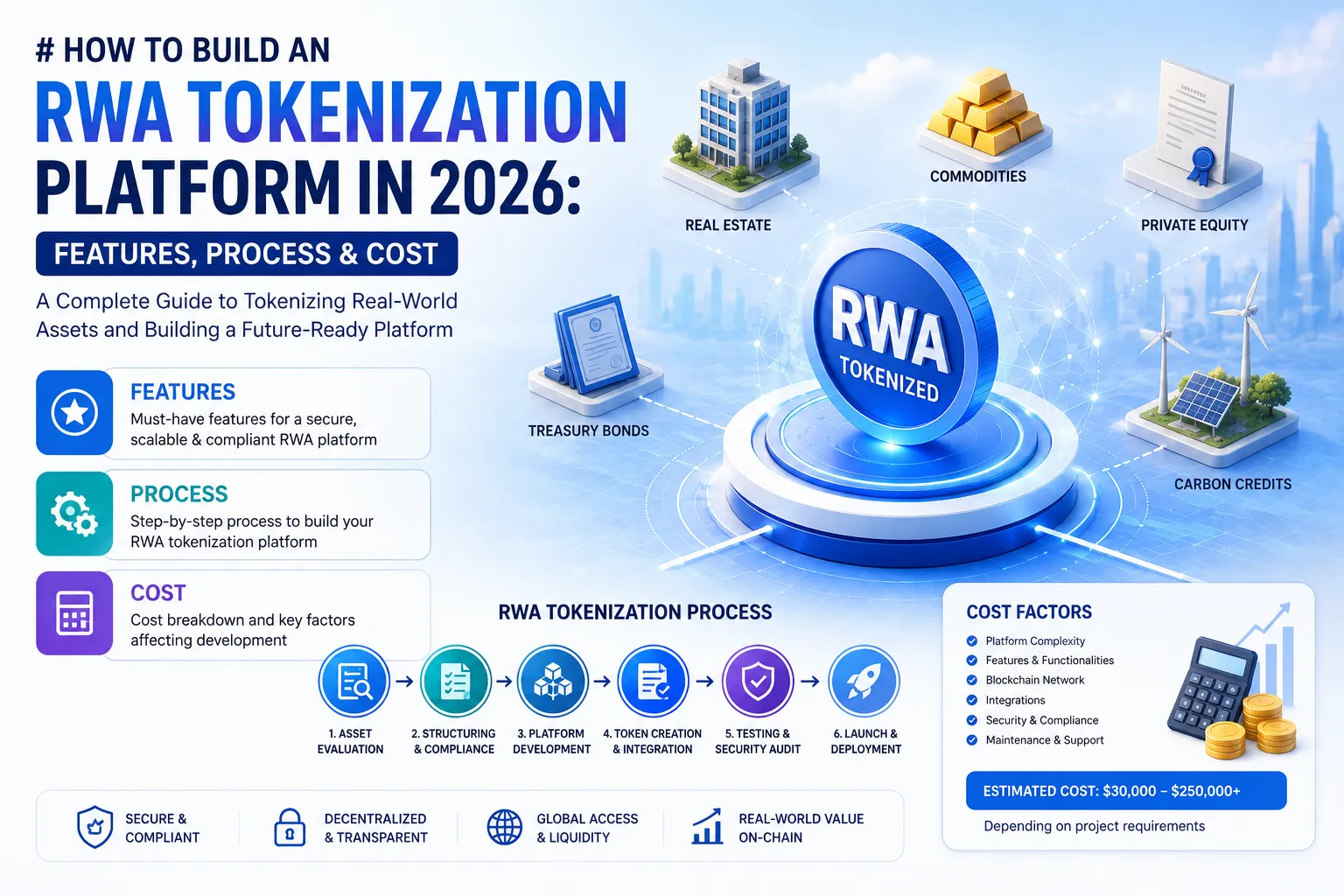
Tokenized asset platform development plays a major role here. It provides the technical foundation for creating, issuing, managing, and trading tokenized assets. These platforms include features like smart contract integration, compliance modules, identity verification, and trading interfaces.
As a result, markets are becoming more accessible. Smaller investors can participate in high-value opportunities, while asset owners can reach a wider audience without relying entirely on traditional financial institutions.
Why 2026 Is a Turning Point for Asset Tokenization
Several factors have aligned to make 2026 a defining year for tokenization. Regulatory frameworks in multiple regions have become clearer, giving businesses more confidence to invest in Tokenization Platform Development.
Governments and financial authorities are now providing structured guidelines around digital securities, which reduces legal uncertainty. This has encouraged both startups and established financial institutions to experiment with tokenized offerings.
At the same time, institutional investors are showing increased interest. Large funds are beginning to allocate capital to tokenized assets, not just as an experiment but as part of their long-term investment strategies.
Another important factor is the maturity of blockchain infrastructure. Earlier challenges such as high transaction costs, slow processing speeds, and limited interoperability have seen improvements. This has made tokenized asset platform development more practical and cost-effective.
Role of Technology in Tokenization Platforms
Technology is at the center of every Asset Tokenization Platform Development project. Blockchain serves as the backbone, but the ecosystem involves much more than just distributed ledgers.
Smart contracts are used to automate processes such as dividend distribution, ownership transfers, and compliance checks. These contracts operate based on predefined conditions, reducing the need for manual intervention.
Identity management systems are also critical. Know Your Customer and Anti-Money Laundering requirements are integrated into platforms to meet regulatory expectations. This ensures that only verified participants can access the system.
In addition, APIs and integrations allow tokenization platforms to connect with existing financial systems, payment gateways, and custody solutions. This connection between old and new systems is important for wider adoption.
Tokenization Platform Development Services often include these technical components along with user interface design, security frameworks, and ongoing maintenance.
Use Cases Expanding Across Industries
The use cases for asset tokenization are no longer limited to a single sector. In 2026, multiple industries are adopting this model to improve efficiency and broaden access.
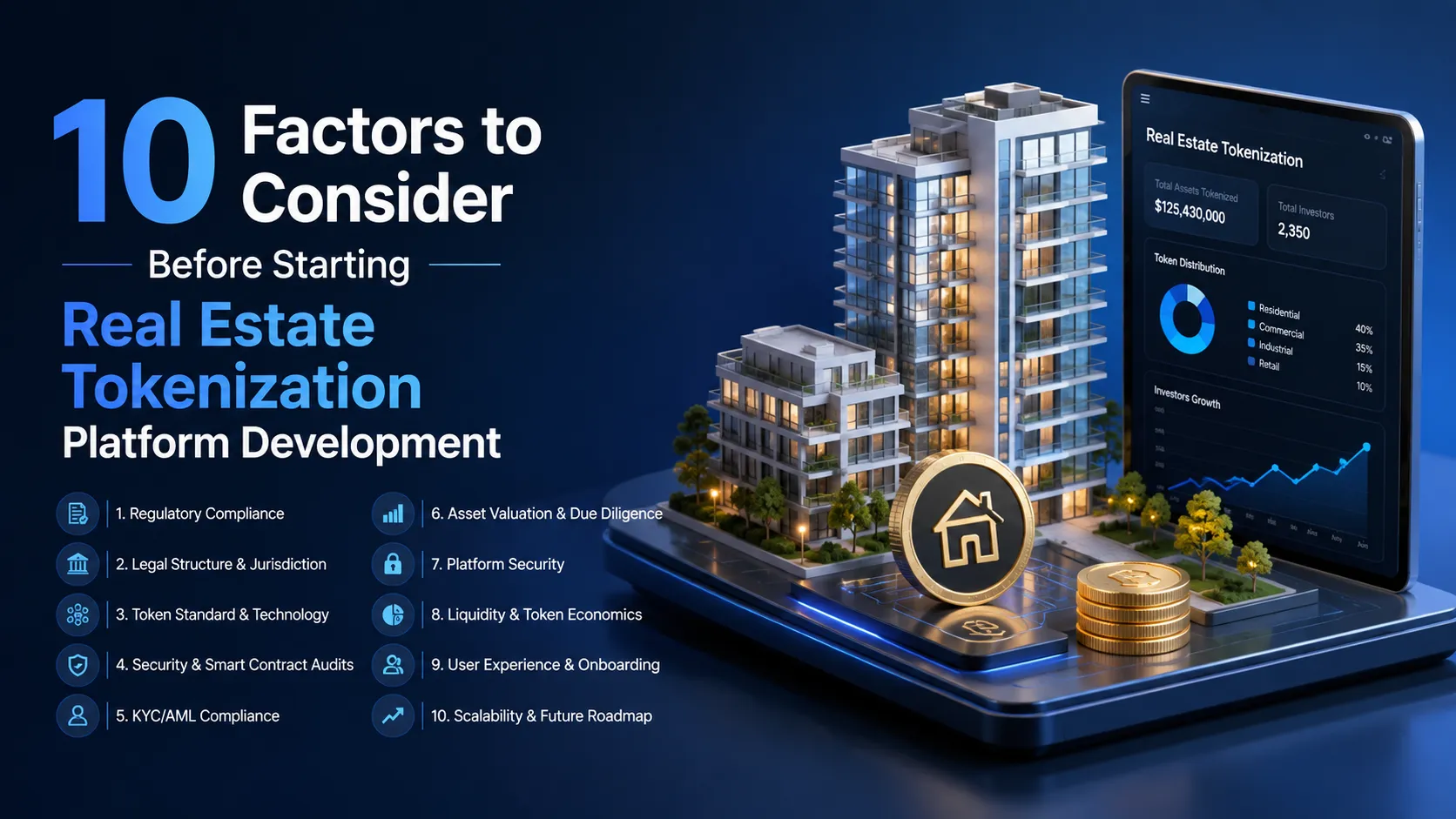
Real estate remains one of the most active sectors. Property owners can tokenize assets and sell fractional ownership to investors across the globe. This approach reduces entry barriers and improves liquidity in a traditionally illiquid market.
In the art world, tokenization allows collectors to own shares in high-value artworks. This creates a new form of investment where individuals can participate without purchasing an entire piece.
Private equity and venture capital are also experimenting with tokenized funds. These funds can offer more flexible investment structures and potentially attract a wider range of investors.
Commodities such as gold and oil are being tokenized as well. This allows for easier trading and settlement compared to traditional methods.
Asset tokenization development services are helping businesses across these industries design platforms that suit their specific requirements.
Business Benefits of Tokenization Platforms
The growing demand for Asset Tokenization Platform Development is driven by several business advantages.
One major benefit is improved liquidity. By breaking assets into smaller units, tokenization makes it easier to buy and sell ownership shares. This can attract more participants and increase trading activity.
Cost reduction is another factor. Traditional financial transactions often involve multiple intermediaries, each adding fees. Tokenization reduces reliance on these intermediaries, leading to more efficient processes.
Global accessibility also plays a role. Investors from different regions can participate in tokenized markets without the need for complex cross-border arrangements.
Additionally, transaction records stored on blockchain systems provide a reliable audit trail. This can simplify reporting and compliance processes for businesses.
An Asset Tokenization Platform Development Company typically highlights these benefits when working with clients, as they directly impact revenue models and operational efficiency.
Challenges That Still Need Attention
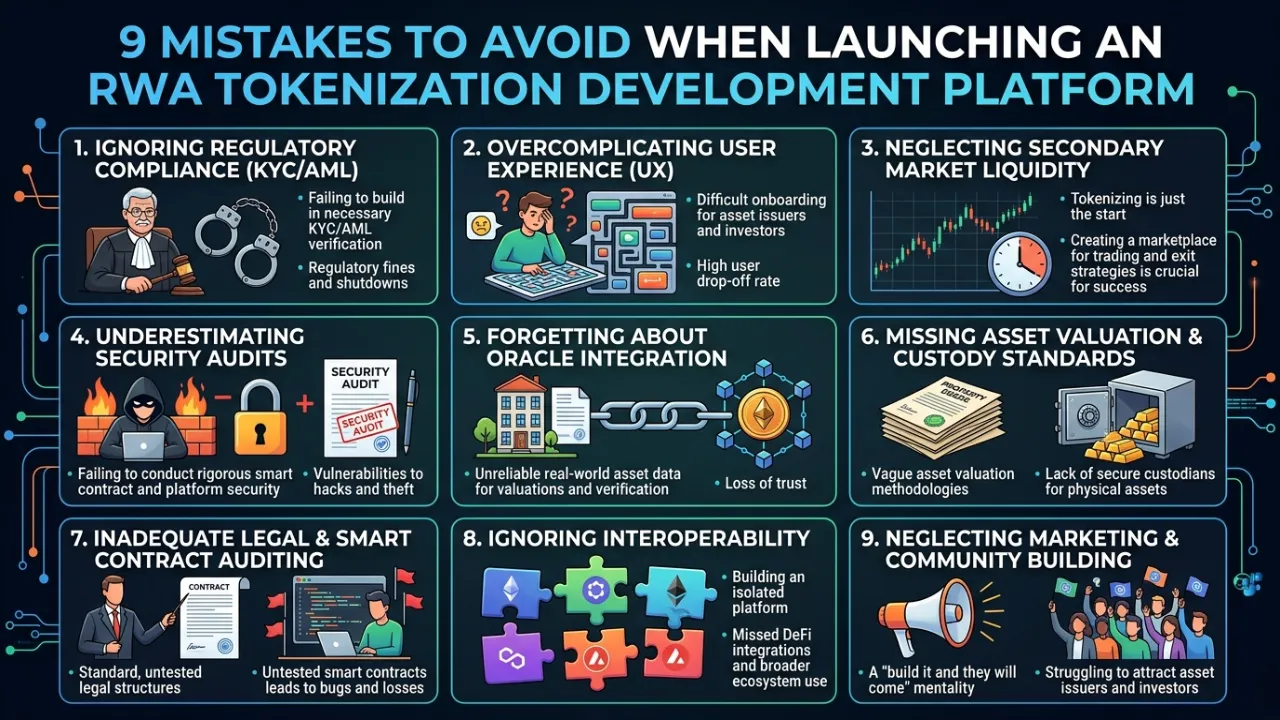
Despite its rapid growth, asset tokenization is not without challenges. Regulatory differences between countries can create complications for platforms operating across borders.
While some regions have clear frameworks, others are still developing policies. This creates uncertainty for businesses that want to expand globally.
Security is another concern. Although blockchain technology is considered secure, vulnerabilities can exist in smart contracts and platform interfaces. Regular audits and testing are necessary to reduce risks.
Market education is also an ongoing issue. Many investors are still unfamiliar with tokenized assets and may hesitate to participate. Clear communication and user-friendly platforms can help address this gap.
Asset tokenization development company teams are focusing on these challenges by improving compliance tools, enhancing security measures, and designing intuitive user experiences.
Role of Asset Tokenization Platform Development Companies
Businesses looking to enter the tokenization space often rely on specialized service providers. An Asset Tokenization Platform Development Company offers expertise in both technology and financial regulations.
These companies guide clients through the entire process, from initial planning to platform deployment. They help identify suitable assets for tokenization, design system architecture, and integrate compliance features.
Asset tokenization development services may also include post-launch support, such as platform updates, performance monitoring, and user management.
Working with experienced providers can reduce the time required to launch a platform and help avoid common mistakes. This is particularly important in a field where both technical and legal requirements are complex.
Tokenization and the Future of Financial Markets
As adoption continues, tokenization is expected to influence the structure of financial markets. Traditional exchanges may begin to integrate tokenized assets alongside conventional securities.
Decentralized trading platforms are also gaining attention, offering peer-to-peer transactions without central intermediaries. This could change how assets are traded and settled.
In addition, central banks are exploring digital currencies, which may interact with tokenized asset ecosystems. This combination could create new financial models that blend traditional and digital systems.
Tokenized asset platform development will likely play a major role in these changes, providing the infrastructure needed to support new types of financial instruments.
Strategic Considerations for Businesses in 2026
For businesses considering entry into the tokenization space, careful planning is necessary. The first step is identifying the right asset class and understanding market demand.
Choosing the right technology stack is equally important. Factors such as blockchain selection, security features, and integration capabilities should be evaluated.
Regulatory compliance must be addressed from the beginning. This includes understanding local laws, obtaining necessary licenses, and implementing KYC and AML processes.
Partnering with a reliable Asset tokenization development company can simplify these steps. Their experience can help businesses navigate technical and legal complexities more effectively.
Conclusion
Asset tokenization is no longer a concept limited to early adopters. In 2026, it is becoming a practical solution for businesses and investors looking for alternative ways to interact with financial markets.
The rapid growth of Asset Tokenization Platform Development reflects a broader shift toward digital financial systems. While challenges remain, ongoing improvements in technology and regulation are supporting wider adoption.
Businesses that invest in Tokenization Platform Development today are positioning themselves to participate in a financial environment that is evolving at a faster pace than expected. As more industries adopt tokenization, its impact on global finance is likely to continue expanding in the years ahead.



























Sign in to leave a comment.