
WikiPepper Editorial
Quick Reference
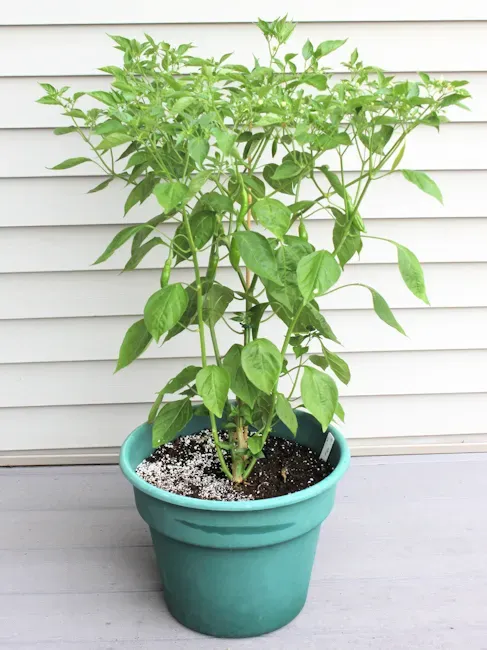
- The most likely answer: the variety is just slow. Habaneros and ghost peppers can take 100-plus days to reach full color, and many peppers sit green for weeks before color moves at all.
- Heat and sun drive ripening; cooler nights visibly slow color change.
- Stop fertilizing once fruit has set; late nitrogen keeps the plant growing instead of ripening.
- Some varieties darken before they ripen, a chocolate habanero goes green to brown on its way to ripe. That’s a stage, not rot.
A pepper stuck on green is almost never a broken plant. It’s some combination of a slow variety, cool nights, and late-season feeding, and the fix is mostly patience aimed in the right direction.
Slow is normal, for some species, very normal
Ripening speed is largely a species trait. Fast annuums color up quickly, while the chinense superhots, habanero, ghost, and their relatives, routinely need 100-plus days from transplant to full color. If a superhot is sitting green in August, it is very likely on schedule.
What you’re actually waiting for

What speeds it up, what stalls it
Peppers ripen fastest with high heat and strong sun; cooler nights slow color change noticeably. Mild drought stress can intensify color and heat, at the cost of some shriveling risk. And late nitrogen works against you, once fruit has set, stop fertilizing and let the plant shift from growing to ripening.
Green is a stage
Immature pods are green; maturity brings red, yellow, orange, brown, or purple depending on the cultivar, and some varieties darken first on the way there. Wait for full color development before judging, especially with chinense types, where the last stretch of color is where the flavor arrives.
When the color finally comes
A ripe pod feels slightly softer and detaches with a gentle twist. Cut with clean scissors, leaving a short stem, pulling snaps branches, and pick regularly, because harvesting pushes the plant to keep producing. Seed savers should leave chosen pods an extra week on the plant beyond full color.
Grower's Takeaway
- Superhots at 100+ days are on schedule, not stuck.
- Heat and sun ripen; cool nights stall.
- No fertilizer after fruit set.
- Full color = full flavor, especially for chinense.
Sources & Further Reading
- Priest, C.T. & Austin, D.J. The Chile Pepper Almanac. Amazon.
- Drawn from the WikiPepper reference library; related coverage at WikiPepper.org on harvesting, fruiting problems, and growing temperatures.

























Sign in to leave a comment.