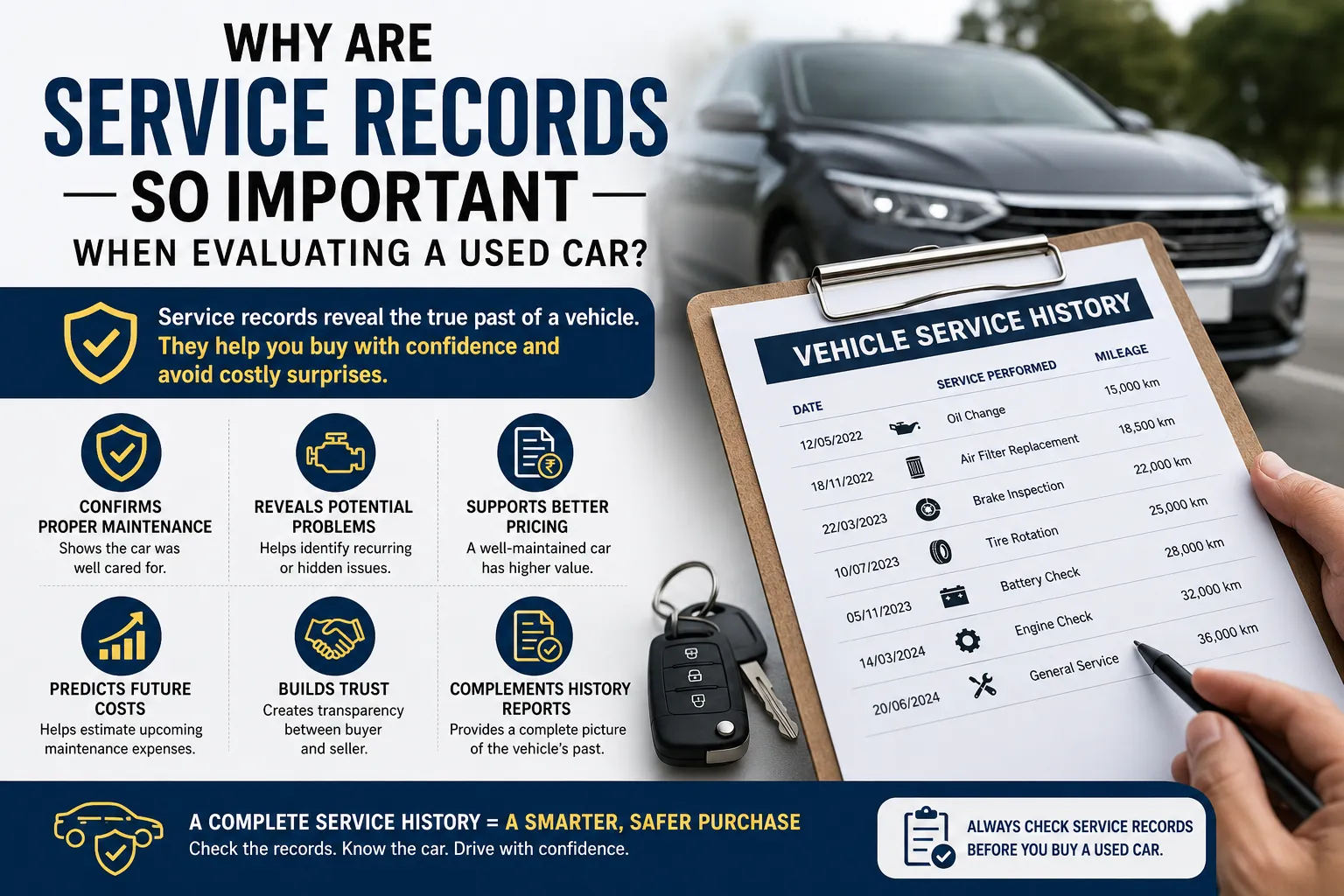

Buying a used car can be a smart financial decision, but it also comes with a certain level of risk. Unlike a new vehicle, a pre-owned car has already experienced years of driving, maintenance, and wear. While the exterior may look polished and the test drive may feel smooth, the real story of a vehicle often lies in its maintenance history. This is where service records become incredibly valuable.
Many buyers focus on mileage, price, and appearance, but experienced car owners know that a well-documented service history can reveal much more about a vehicle's condition. In fact, one of the biggest concerns among used car shoppers is when they discover that my vehicle doesnt have service history on carfax. Without proper records, it becomes difficult to verify whether the car received timely maintenance or if major repairs were neglected.
Understanding the Hidden Story Behind a Used Car
Every vehicle has a history, and service records act like a diary that documents its journey. These records show oil changes, brake replacements, tire rotations, fluid inspections, engine repairs, and other maintenance activities performed throughout the vehicle's life. While accident reports and ownership details provide useful information, service records offer deeper insights into how responsibly the car was maintained.
A vehicle that receives regular servicing is generally more reliable than one with an unknown maintenance background. This information helps buyers make informed decisions and avoid unexpected expenses after the purchase.
Service Records Reveal Maintenance Consistency
One of the strongest indicators of a vehicle's health is consistent maintenance. Manufacturers recommend service intervals for critical components, and following these schedules helps extend the life of the vehicle.
When reviewing service records, buyers can determine whether the previous owner took maintenance seriously. Regular oil changes, filter replacements, fluid flushes, and inspections suggest responsible ownership. On the other hand, large gaps in maintenance records may indicate neglect, increasing the risk of future mechanical issues.
Consistent servicing often translates into better engine performance, improved fuel efficiency, and fewer breakdowns over time.
They Help Identify Potential Mechanical Problems
Service records can also highlight recurring issues that may affect the vehicle's reliability. For example, repeated repairs involving the transmission, suspension, cooling system, or electrical components could signal ongoing problems.
Without access to maintenance documentation, buyers are left guessing about the vehicle's condition. Service history provides transparency and allows potential owners to evaluate whether previous repairs successfully resolved the issues or if they may reappear in the future.
This information becomes particularly important when purchasing higher-mileage vehicles, where wear and tear naturally increase.
Records Support Accurate Vehicle Valuation
A complete service history can significantly influence a used car's market value. Buyers are often willing to pay more for a vehicle with documented maintenance because it reduces uncertainty and demonstrates responsible ownership.
Dealerships and private sellers frequently use service records as proof that a vehicle has been properly cared for. When maintenance documentation is available, negotiations become easier because buyers can clearly see the vehicle's condition and maintenance timeline.
In many cases, two similar vehicles with the same mileage can have different values simply because one comes with comprehensive service records while the other does not.
Manufacturer Service Information Can Add Extra Confidence
Sometimes buyers want additional verification beyond standard maintenance records. In such situations, manufacturer service databases can be useful sources of information.
For example, some vehicle owners choose to request vehicle service history from chevy when evaluating a used Chevrolet. Manufacturer-maintained records may include dealership-performed services, warranty repairs, recalls, and maintenance updates. Accessing this information can provide added confidence and help buyers verify the vehicle's maintenance history more accurately.
Having multiple sources of service documentation creates a clearer picture of the vehicle's overall condition.
Service Records Help Predict Future Maintenance Costs
Owning a car involves ongoing maintenance expenses. Service records can help buyers estimate what costs may arise in the near future.
If records show recent replacement of major components such as brakes, tires, battery, timing belt, or suspension parts, buyers may avoid those expenses for some time. Conversely, if important maintenance items are overdue, future repair costs should be factored into the purchase decision.
This foresight allows buyers to budget more effectively and avoid unpleasant surprises shortly after acquiring the vehicle.
They Build Trust Between Buyers and Sellers
Trust plays a major role in any used car transaction. Sellers who provide detailed maintenance documentation demonstrate transparency and confidence in the vehicle they are offering.
When buyers can review service records, they feel more comfortable making a purchase because they are relying on documented facts rather than verbal assurances. This transparency often leads to smoother negotiations and quicker sales.
A complete service history acts as evidence that the vehicle was cared for properly throughout its life, strengthening buyer confidence.
Service Records Complement Vehicle History Reports
Vehicle history reports provide valuable information about ownership history, accidents, title status, and mileage verification. However, they do not always capture every maintenance event performed on a vehicle.
This is why service records and vehicle history reports work best together. While history reports show what happened to the vehicle, service records explain how it was maintained afterward.
A buyer who reviews both documents gains a much more complete understanding of the vehicle's condition, reliability, and long-term value.
Conclusion
When evaluating a used car, service records are far more than just paperwork. They provide insight into maintenance habits, reveal potential mechanical concerns, support accurate pricing, and help buyers estimate future ownership costs. A vehicle with a documented maintenance history often represents a safer and more reliable investment than one with missing records.
Before finalizing any purchase, take time to review all available maintenance documentation. Combined with inspection reports and vehicle history records, service records help create a complete picture of the car's past. A detailed vehicle history window sticker may provide additional background information, but service records remain one of the most powerful tools for understanding how a used vehicle has truly been cared for over the years.

























Sign in to leave a comment.