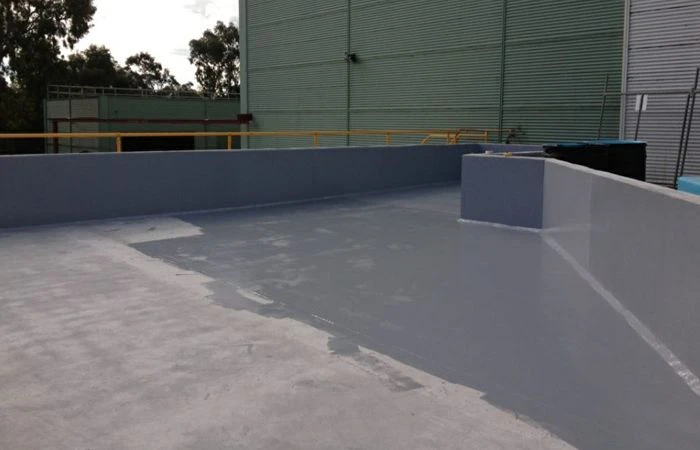

In modern construction, concrete is the go-to material for foundations and structural components, prized for its strength and durability. However, a common misconception is that concrete is inherently waterproof. In reality, concrete is a porous material, capable of absorbing and transmitting water and water vapor. This vulnerability makes concrete waterproofing an essential, non-negotiable step in the building process. It serves as the primary line of defense against water intrusion, which can otherwise lead to severe structural damage, compromise indoor air quality, and result in costly, disruptive repairs.
This article will explore the critical role of concrete waterproofing in protecting a building's integrity and value. Based on extensive experience in building science and material application, we will explain how water damages concrete, the health risks associated with moisture intrusion, and the different types of modern waterproofing systems available. Understanding these principles is key to constructing durable, healthy, and long-lasting buildings.
Protecting Structural Integrity from the Start
Water is one of the most destructive forces a building can face, and its impact on concrete and steel reinforcement is significant. When water penetrates concrete, it initiates a cycle of degradation that can compromise the entire structure. This is particularly true in climates with freeze-thaw cycles, where the long-term damage can be severe.
Preventing Rebar Corrosion
Most modern concrete structures are reinforced with steel rebar. If water, often carrying dissolved salts, seeps through the concrete and reaches the rebar, it causes corrosion. As the steel rusts, it expands with incredible force, cracking the surrounding concrete from within. This process, known as spalling, can significantly weaken the structural element. Industry data shows that rebar corrosion is a leading cause of premature deterioration in concrete structures worldwide. A proper waterproofing membrane creates an impermeable barrier, keeping water and contaminants away from the steel reinforcement.
Mitigating Freeze-Thaw Damage
In colder climates, water that has soaked into the pores of concrete will freeze and expand. This expansion exerts immense internal pressure, causing microscopic cracks to form and grow over time. With each freeze-thaw cycle, the damage worsens, eventually leading to crumbling and surface deterioration. Waterproofing prevents the initial water absorption, effectively stopping this destructive cycle before it begins.
Bonus Tip: Applying a high-quality waterproofing system during the initial construction phase is significantly more effective and less expensive than attempting to fix a leaking foundation later, which requires extensive excavation and repair.
Creating a Healthy and Usable Indoor Environment
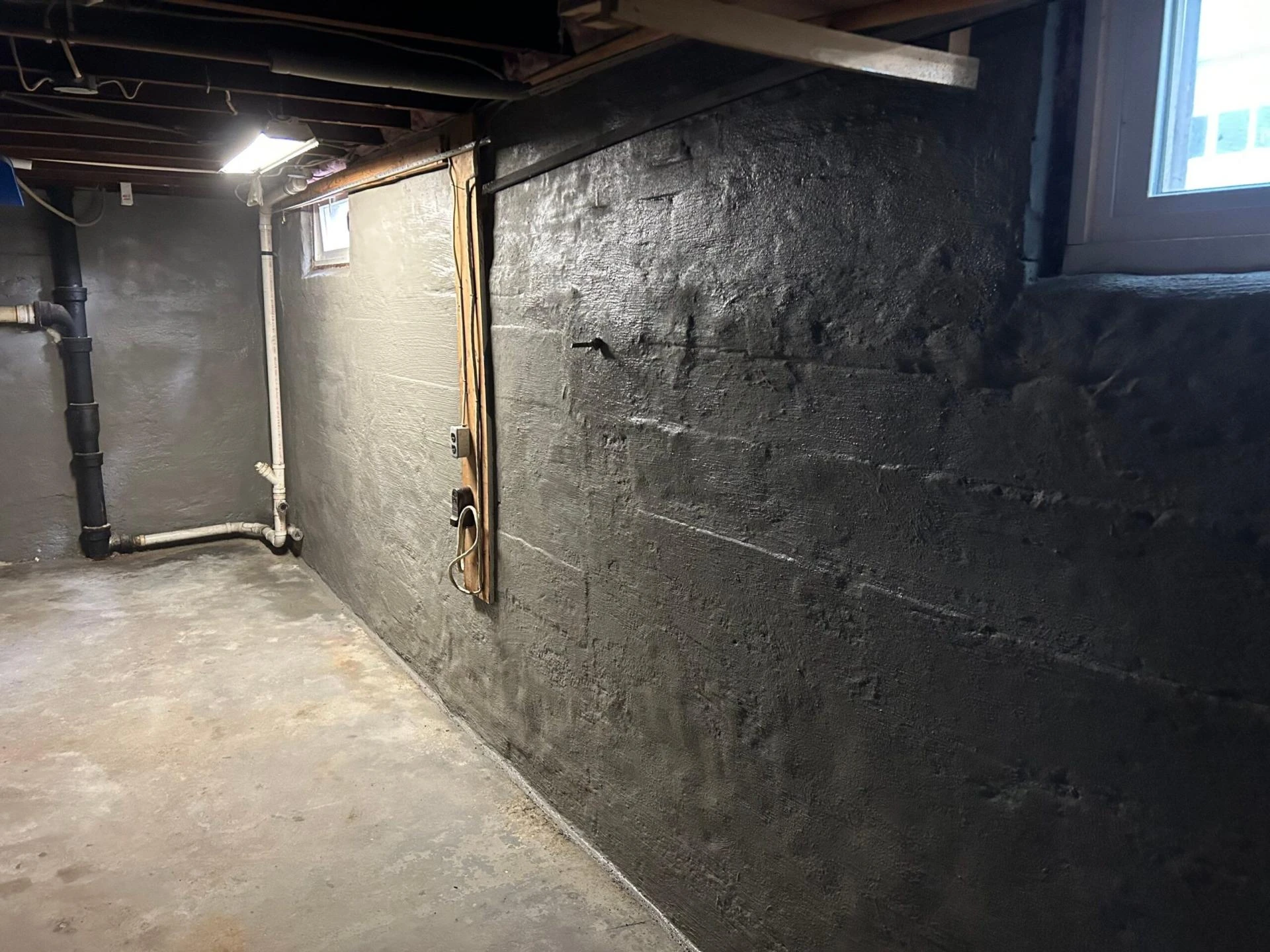
Beyond structural concerns, water intrusion through below-grade concrete walls and slabs has a direct impact on the health and usability of interior spaces. A damp, musty basement or crawl space is more than just unpleasant; it is a potential health hazard.
Water vapor and liquid water migrating through a foundation create the high-humidity conditions necessary for mold and mildew to thrive. Mold spores can become airborne and circulate throughout the building via the HVAC system, contributing to poor indoor air quality and causing respiratory issues, allergies, and other health problems for occupants. Effective concrete waterproofing keeps below-grade areas dry, preventing mold growth and ensuring that basements and lower levels can be safely used as living or storage space.
An Overview of Modern Waterproofing Systems
There is no one-size-fits-all solution for concrete waterproofing. The best system for a project depends on factors like the type of construction, soil conditions, and the presence of hydrostatic pressure (pressure from groundwater pushing against the foundation). Modern construction utilizes several effective technologies.
Liquid-Applied Membranes
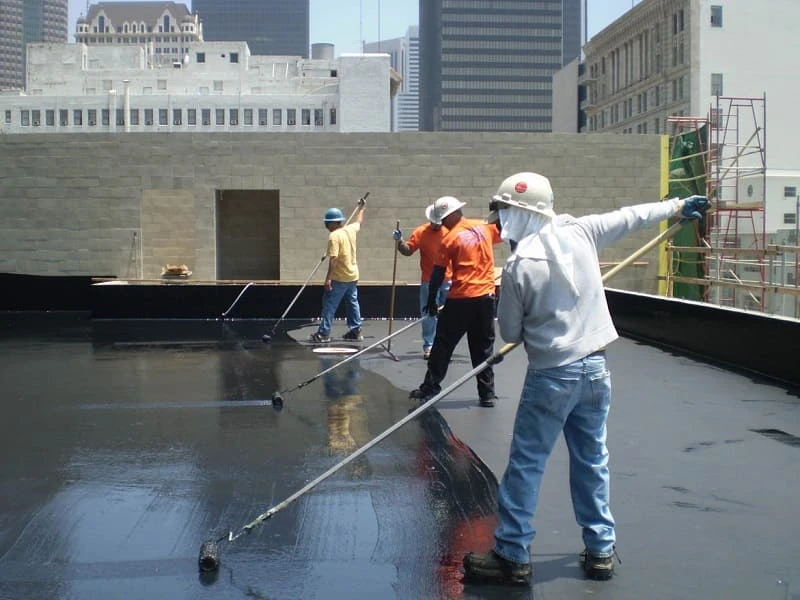
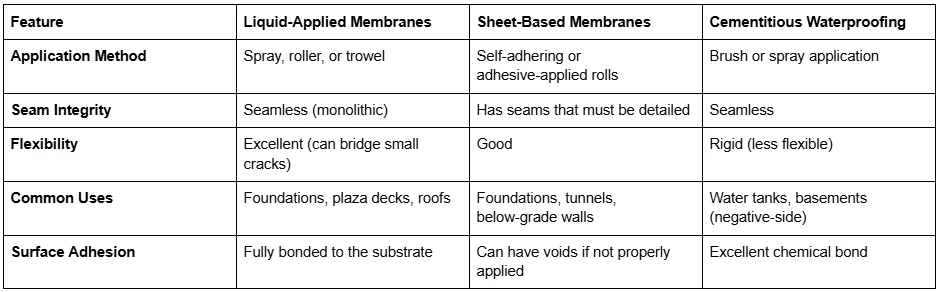
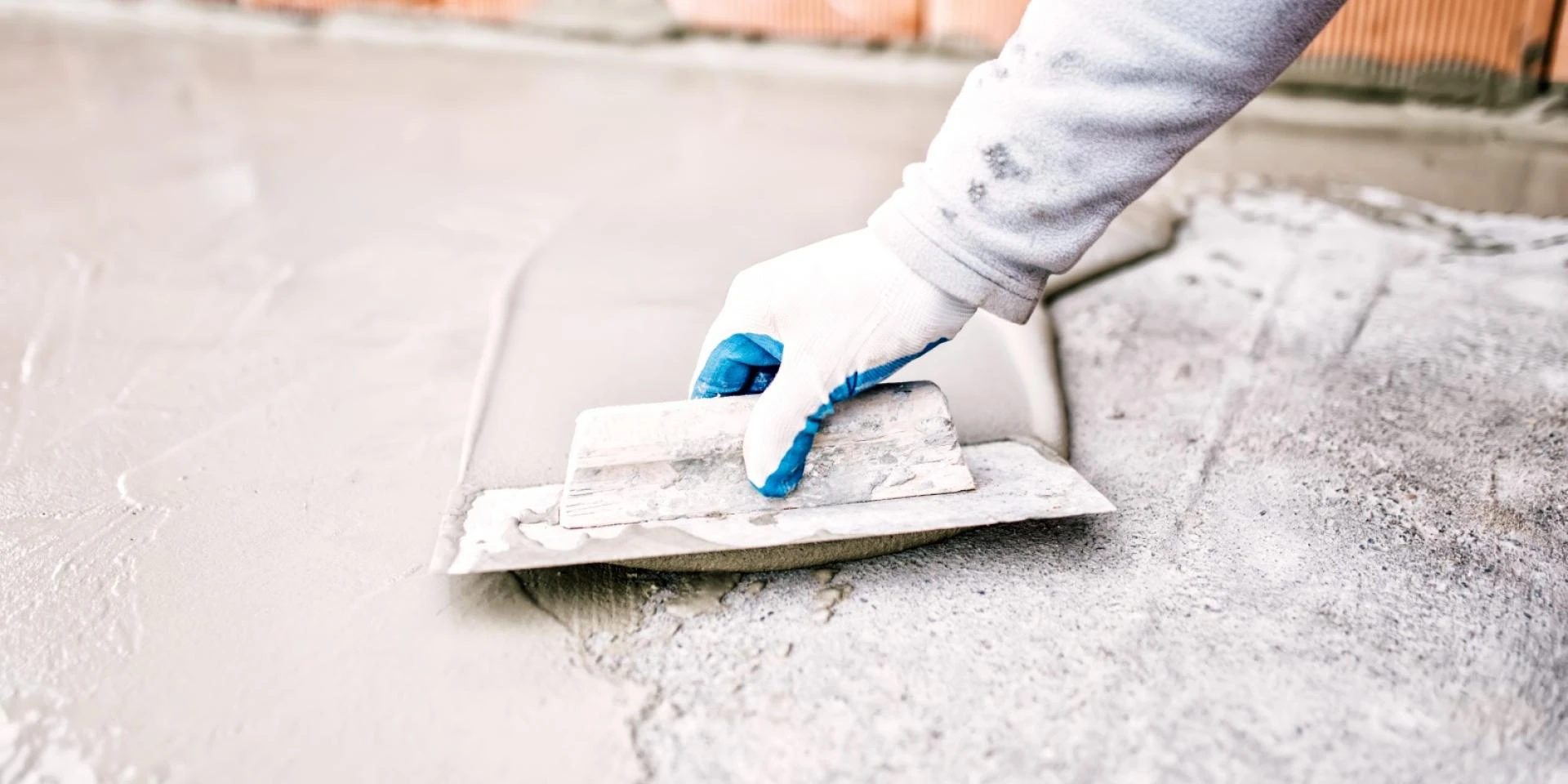
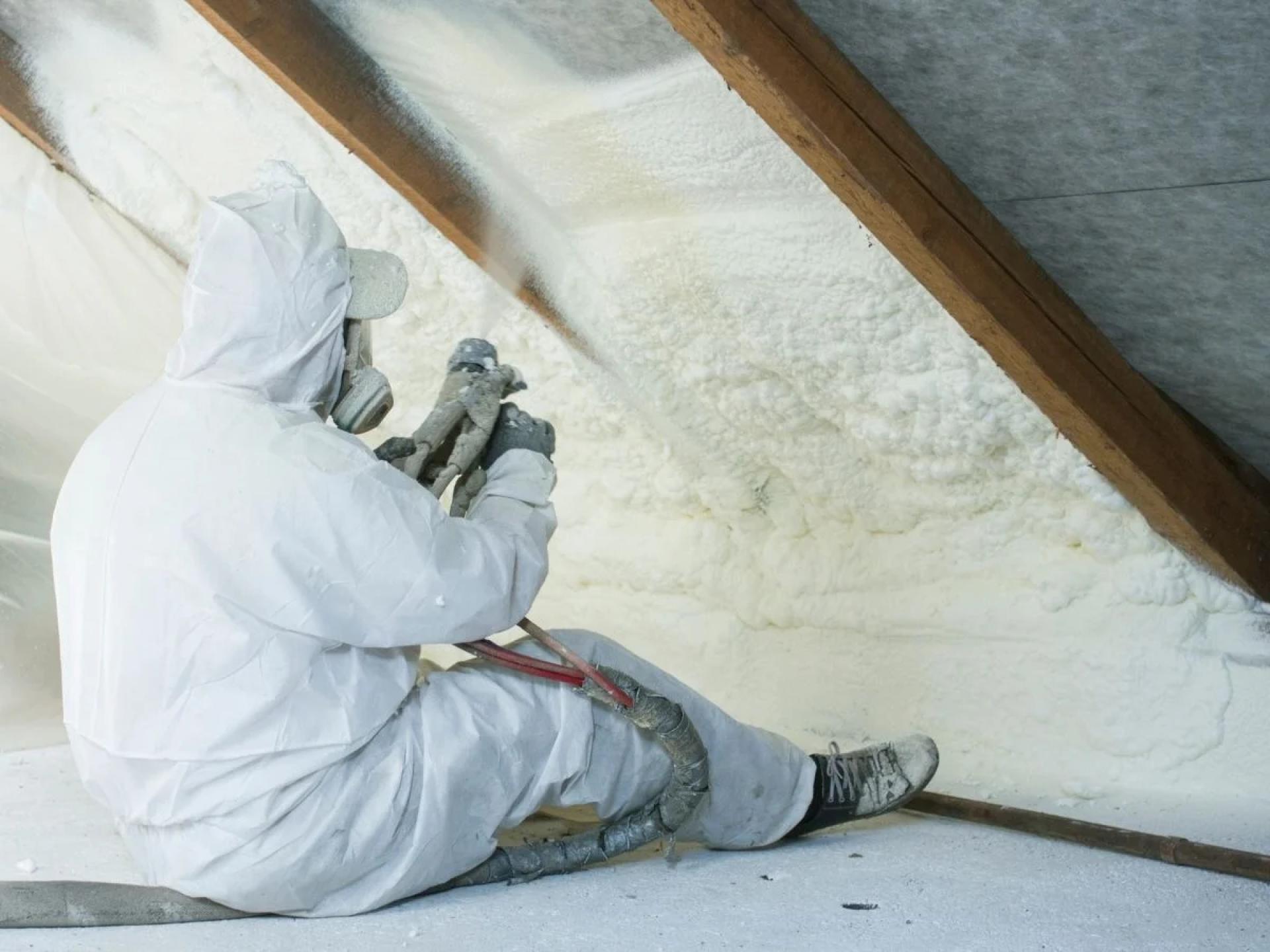
These systems involve applying a liquid coating that cures to form a seamless, flexible, and fully bonded waterproof membrane. Materials like polymer-modified asphalt, polyurethane, or high-performance polyurea coatings are applied by spray, roller, or trowel. Their main advantage is their monolithic nature, which eliminates seams, the most common point of failure in other systems.
Sheet-Based Membranes
These are factory-made membranes, typically of rubberized asphalt bonded to a polyethylene film. They are supplied in rolls and are self-adhering or require a separate adhesive. Sheet membranes provide a consistent, factory-controlled thickness but require careful installation at seams and penetrations to prevent leaks.
Cementitious Waterproofing
This method uses a cement-based compound mixed with proprietary chemicals to create a waterproof slurry. It can be applied to either the positive (exterior) or negative (interior) side of a concrete wall. It is often used for sealing concrete water tanks, tunnels, and for remedial work on existing foundations from the inside.
Comparing Common Waterproofing Technologies
Things to Consider Before Making a Decision
Choosing the right waterproofing strategy is a critical step that requires careful planning and consideration of several factors.
- Hydrostatic Pressure: Assess the site's water table. If the foundation is below the water table, it will be subject to constant hydrostatic pressure, requiring a robust, high-performance waterproofing system rather than simple damping.
- Drainage System: Waterproofing should always be part of a complete water management system. This includes a properly installed foundation drain (or French drain) to collect and channel water away from the structure, relieving pressure on the waterproofing membrane.
- Surface Preparation: The success of any waterproofing application depends heavily on proper surface preparation. The concrete must be clean, dry, and free of voids, sharp edges, or contaminants that could prevent adhesion or puncture the membrane.
- Professional Installation: Waterproofing is not a DIY project. The materials require specific knowledge and equipment for proper application. An experienced installer will ensure the system is applied correctly, especially at difficult details like corners, footings, and pipe penetrations.
Your Questions on Concrete Protection Answered
What is the difference between damping and waterproofing?
Dampproofing is a coating, typically asphalt-based, applied to a foundation to resist soil moisture. It is not designed to stop liquid water under pressure. Waterproofing is a more robust membrane system designed to create a complete barrier against both moisture and liquid water, even under hydrostatic pressure.
Can waterproofing be applied from the inside of a basement?
Yes, this is known as negative-side waterproofing. Certain products, like cementitious coatings, are designed to be applied to the interior and can be effective at stopping water intrusion. However, exterior (positive-side) application is generally preferred for new construction as it stops water before it enters the concrete.
How long does a waterproofing system last?
The lifespan of a waterproofing system depends on the quality of the material, the installation, and the site conditions. High-quality, professionally installed systems like polyurea or rubberized asphalt membranes can last for the life of the building.
Is waterproofing necessary in a dry climate?
Even in arid climates, unexpected events like heavy storms, plumbing leaks, or changes in irrigation patterns can introduce significant moisture to the soil around a foundation. Waterproofing provides essential long-term protection against these variables.
Do concrete sealers provide waterproofing?
Most concrete sealers are designed to protect the surface from stains and minor moisture absorption. They are not true waterproofing systems and will not stop water under pressure from penetrating a foundation wall.
A Foundation for a Lasting Investment
Ultimately, concrete waterproofing is a fundamental component of risk management in modern construction. It is a proactive investment that protects the building's structural foundation, ensures a healthy environment for its occupants, and preserves its long-term value. By preventing water intrusion from the outset, builders and property owners can avoid a cascade of costly and damaging problems down the road. Viewing waterproofing not as an expense, but as essential insurance for the structure itself, is key to building for durability and resilience.
Get a Professional Waterproofing Assessment
For new construction projects or for addressing moisture issues in existing buildings, consulting with a waterproofing specialist is the best course of action. An expert can assess the specific conditions of a property and recommend the most effective and durable system. The team at High Country Solutions has extensive experience with advanced waterproofing technologies for all types of concrete structures. For a detailed consultation or to discuss your project needs, they can be reached at (307) 248-9063 or by email at [email protected].
Author: Skeeter Aimone, co-founder of High Country Solutions, develops eco-friendly products to improve sustainability in outdoor gear. Brad Morrison leads the company’s technology strategy, creating systems that enhance outdoor experiences with a focus on environmental responsibility. Established in 2018, they bring years of experience to advancing sustainable outdoor living through high-performance, responsible insulation materials.
Reviewer: Samuel Harris has worked across various roles in spray foam insulation over 11 years. His review focused on how businesses can better present their services to both new and returning clients.






















Sign in to leave a comment.