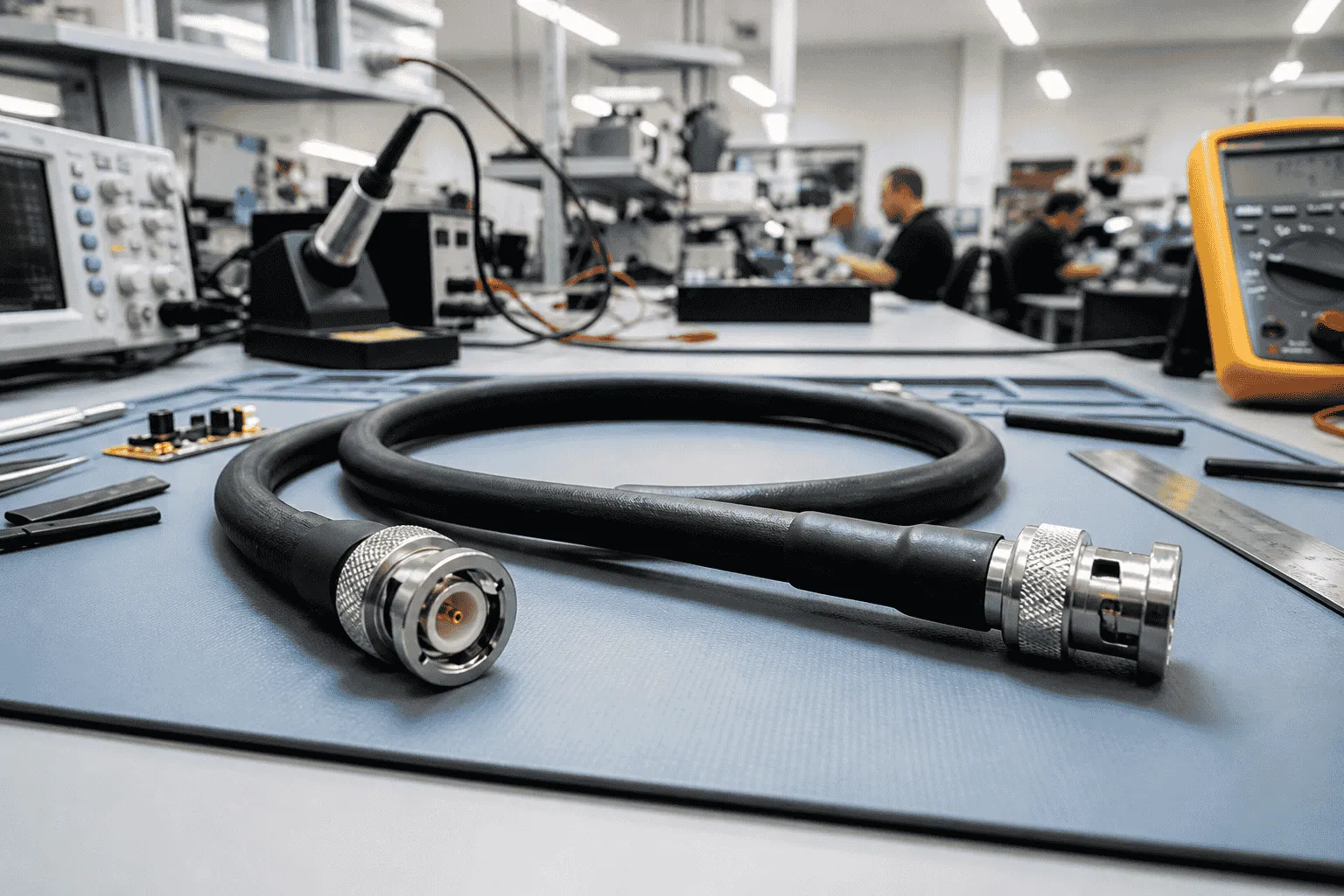

Why Standard Cables No Longer Meet Modern Demands
Technology has become smaller, faster, smarter, and far more interconnected than it was even a decade ago. From electric vehicles and industrial automation systems to smart appliances and advanced communication networks, the expectations placed on connectivity have changed dramatically. Components that once played a supporting role now directly influence performance, efficiency, and safety.
This is exactly where customised cable solutions have moved into the spotlight.
Standard cables were built for broad compatibility. They serve a purpose, but modern systems often demand far more than generic configurations can provide. A battery management system in an electric vehicle has very different needs from a robotic arm in an automated factory. A data-heavy control panel requires different characteristics than power delivery systems operating in harsh industrial environments.
Can one standard cable design serve all these applications well? In many cases, it cannot.
That is why industries are increasingly turning toward custom wire and cable solutions designed around their specific operating conditions, like electrical loads, mechanical constraints, and compliance requirements.
The shift is not on documents or presentations. It is realtime and backed by market demand. According to multiple industry reports, the global market of wire and cable is projected to exceed USD 300 billion by 2030, driven by electrification, automation, and digital infrastructure expansion. That growth tells a bigger story. Connectivity is no longer treated as an afterthought.
It is becoming infrastructure.
And once you see cables as infrastructure and not as a commodity, the importance of precision design becomes impossible to ignore.
The Shift from Commodity Wiring to Engineered Connectivity
There was a time when wiring was often treated as a commodity purchase. Select a standard size, meet the voltage requirement, and complete the installation. That approach worked when systems were simpler.
Modern technology changed that equation.
Today, space limitations are tighter. Temperatures are higher. Signal interference risks are greater. Equipment often operates in vibration heavy or chemically aggressive environments. Under those conditions, off the shelf products can introduce limitations.
This is where customised cable solutions create measurable value.
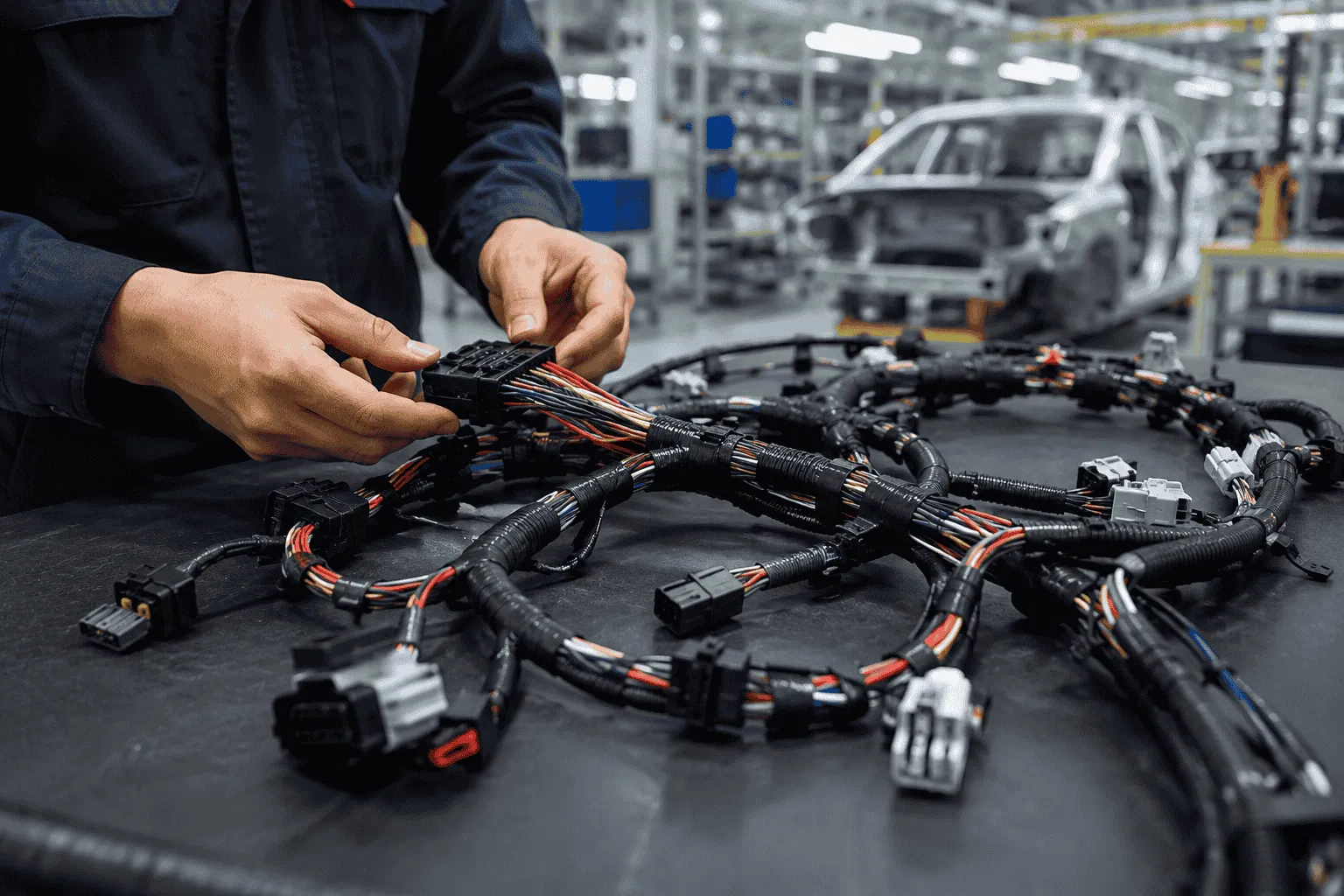
With proper cable design and engineering, factors like conductor construction, insulation compounds, shielding methods, bend radius requirements, and connector compatibility can be tailored to exact application needs. Instead of forcing equipment to adapt around a generic cable, the cable is engineered to support the equipment.
That difference matters.
Consider industrial robotics. Motion cycles, repetitive flexing, and tight routing paths place constant stress on wiring. Standard products may fatigue prematurely. Purpose built high performance cables designed for continuous movement can significantly improve service life.
The same applies in data intensive environments. Signal integrity has become a critical factor for automation and control systems. Poor shielding can lead to electromagnetic interference, communication faults, or system instability. That is why electrical wiring solutions increasingly focus on precision shielding and application specific performance.
This helps explain why custom cables are important in modern technology. They do not simply connect systems. They support the reliability of those systems.
And that support spans industries.
In EV platforms, cable solutions for industries now include lightweight high-voltage assemblies built for thermal management and durability. In telecom, custom configurations support higher speed data transmission cables for growing network loads. In medical systems, precision cable assemblies help support compact, sensitive devices where reliability is non-negotiable.
The thread connecting all of them is simple. Performance expectations have grown, and connectivity has had to evolve with them.
How Custom Cable Manufacturing Supports Industry Specific Performance
Understanding the value of customisation naturally leads to another question.
How are these solutions actually developed?
The answer lies in the depth of the custom cable manufacturing process.
Strong custom solutions rarely begin at production. They begin at the application stage.
Engineering teams typically start by assessing electrical requirements, environmental conditions, routing limitations, regulatory needs, and lifecycle expectations. From there, conductor materials, insulation systems, shielding designs, and assembly structures can be specified.
This is what makes tailored cable solutions different from modified catalogue products.
They are engineered with intent.
The broader custom cable manufacturing process and applications often include prototype development, validation testing, compliance checks, and scalable production support. That process is especially valuable where failure carries high costs.
Think about industrial automation.
The global industrial automation market is projected to surpass USD 390 billion by 2030. As automation expands, demand for dependable industrial automation cables and broader industrial cable solutions continues to rise.
That growth is easy to understand.
Automated systems rely on uninterrupted power, clean signals, and durable interconnects. A cable failure can halt productivity. In some facilities, downtime can cost thousands of dollars per hour.
This is where custom cable solutions for industrial applications prove their worth.
For example, automation systems may require oil resistant jackets, high flex conductors, compact routing, or EMI protection integrated into a single assembly. Standard products often struggle to combine all those requirements efficiently.
Custom assemblies can.
The same is true in electronics integration. Cable assembly solutions designed for compact control panels or advanced electronics often reduce installation complexity while improving reliability.
That is one reason cable solutions for automation and electronics continue gaining traction.
They simplify what would otherwise be complicated.
And often, simplification is performance.
The Performance Benefits Behind Customised Cable Solutions
Many assume the biggest benefit of customisation is fit.
Fit matters, but it is only part of the story.
The broader benefits of customised cable solutions for technology often show up in performance metrics that directly affect operations.
Take durability.
Materials chosen for heat resistance, abrasion protection, or chemical exposure can extend service life significantly. That means fewer replacements and lower maintenance interruptions.
Take signal performance.
Well engineered shielding and conductor geometry help support cleaner transmission, which becomes increasingly important in connected systems.
Take efficiency.
Integrated assemblies can reduce weight, improve routing, and streamline installation.
These are not small advantages.
They compound.
This is where high performance custom cable solutions stand apart.
They are often designed not merely to meet a specification, but to optimise an application.
And optimisation matters more as systems grow smarter.
IoT Analytics has projected that connected devices could exceed 29 billion globally by 2030. That scale puts enormous pressure on smart technology infrastructure.
Behind every sensor network, automated line, or connected platform, reliable interconnects help carry power and information.
That is why customised cable solutions are increasingly linked with future ready system design.
Real time monitoring, predictive maintenance, and interconnected machinery rely on dependable communications. In these environments, high performance cables and robust data transmission cables can support uptime as much as software can.
Or consider electric mobility.
The International Energy Agency reported that global EV sales surpassed 17 million units in 2024. That growth reinforces demand for engineered high voltage cable systems built for safety, thermal performance, and long term reliability.
These are practical outcomes.
Lower failure risk.
Better signal stability.
Improved operational continuity.
And when those outcomes improve, competitiveness often improves with them.
Why Customised Cable Solutions Are Becoming Strategic, Not Optional
At some point, the conversation stops being about components.
It becomes about strategy.
That shift is happening now.
Many manufacturers and OEMs no longer evaluate cables only by unit price. They evaluate how connectivity decisions influence product performance, compliance, scalability, and long term operating costs.
That perspective changes sourcing decisions.
Instead of asking, which cable fits the requirement, buyers increasingly ask, which solution supports our application best?
That is a very different question.
And it places customised cable solutions in a more strategic role.
This is where partnerships matter.
Experienced providers of custom cable manufacturing bring more than production capacity. They often contribute design input, testing support, compliance expertise, and scalability planning.
That support can be valuable when applications evolve.
Imagine launching a new product line requiring upgraded power densities or tighter packaging. A capable cable partner can help redesign assemblies to support those changes without disrupting broader system goals.
That is why many buyers increasingly look beyond supply and toward collaboration.
Within sectors relying heavily on industrial cable solutions, this has become especially important.
Performance expectations continue rising. Regulations tighten. Product cycles move faster.
Under those conditions, engineering support can be as valuable as the cable itself.
So what should buyers evaluate?
Look at testing capabilities.
Review material quality standards.
Assess application engineering depth.
Verify certifications and approvals.
Consider scalability for future demand.
These questions matter because the right cable partner does not simply respond to specifications.
They help strengthen them.
The Future of Technology Will Be Built on Tailored Connectivity
If current trends tell us anything, it is this.
Customisation is moving closer to the centre of technology development.
Electrification is expanding.
Automation is accelerating.
Connected infrastructure is growing.
Miniaturisation continues.
All of these trends create more complex connectivity demands.
That naturally increases the relevance of tailored cable solutions.
Take renewable energy systems.
Higher performance power transmission requirements and harsh outdoor operating conditions continue driving specialised designs.
Take advanced electronics.
Smaller devices often require more compact and sophisticated custom wire and cable solutions than traditional approaches can support.
Take automation.
As machine intelligence evolves, demand for cable solutions for industries that support precision communication and motion reliability will likely rise alongside it.
Materials innovation will also shape the future.
Lighter conductors, advanced shielding technologies, and more sustainable insulation materials are already influencing next generation designs.
That evolution reinforces why custom cables are important in modern technology.
Technology changes.
Connectivity must change with it.
And perhaps that is the simplest way to understand the future.
As systems become smarter, connectivity cannot remain generic.
It must become more precise.
Actionable Takeaways
If you are evaluating connectivity for modern applications, a few principles stand out.
Assess whether standard cables are limiting performance or efficiency.
Prioritise application driven, customised cable solutions where reliability is critical.
Look beyond upfront cost and consider lifecycle value.
Choose partners with strong custom cable manufacturing and engineering capabilities.
Align cable decisions with broader automation, safety, and scalability goals.
Small design decisions in connectivity often influence much larger operational outcomes.
Conclusion
Modern technology is often defined by what we can see, advanced machinery, intelligent systems, and connected platforms.
Yet many of those breakthroughs depend on components few people notice.
Cables are one of them.
But they should not be underestimated.
Well engineered, customised cable solutions help support safety, signal integrity, efficiency, and long term reliability across critical applications. They have become essential parts of performance architecture.
That is why they are increasingly viewed not as accessories to innovation, but as part of innovation itself.
From industrial cable solutions and automation systems to advanced electronics and smart infrastructure, the role of custom connectivity is only growing.
And perhaps that leaves one important question.
As technology continues advancing, can standard connectivity alone support the systems of tomorrow, or will precision engineered cable solutions define the next leap forward?
For businesses building toward that future, the answer may already be taking shape.
























Sign in to leave a comment.