

Living with diabetes means managing more than blood sugar levels—it also requires protecting your vision. For individuals searching for a diabetic retinopathy specialist in Wesley Chapel, early expert care can make a major difference in preventing long-term eye damage. Diabetes can silently affect the retina, leading to diabetic retinopathy, a serious condition that may cause vision loss if left untreated.
Understanding Diabetic Retinopathy and Its Risks
Diabetic retinopathy occurs when high blood sugar damages the tiny blood vessels in the retina, the light-sensitive tissue at the back of the eye. Over time, these damaged vessels may leak, swell, or close off entirely, reducing vision quality.
Common risk factors include:
1. Poorly controlled diabetes
2. High blood pressure
3. Long-term diabetes diagnosis
4. High cholesterol
5. Smoking
6. Pregnancy in diabetic patients
Because symptoms often develop gradually, many people may not notice vision problems until the condition becomes advanced.
Why a Diabetic Retinopathy Specialist Matters
A diabetic retinopathy specialist is an ophthalmologist or retina expert with advanced training in diagnosing and treating diabetic eye diseases. Unlike general eye doctors, these specialists focus specifically on retinal disorders and use specialized technology for precise monitoring.
Key benefits of seeing a specialist include:
1. Early detection of retinal damage
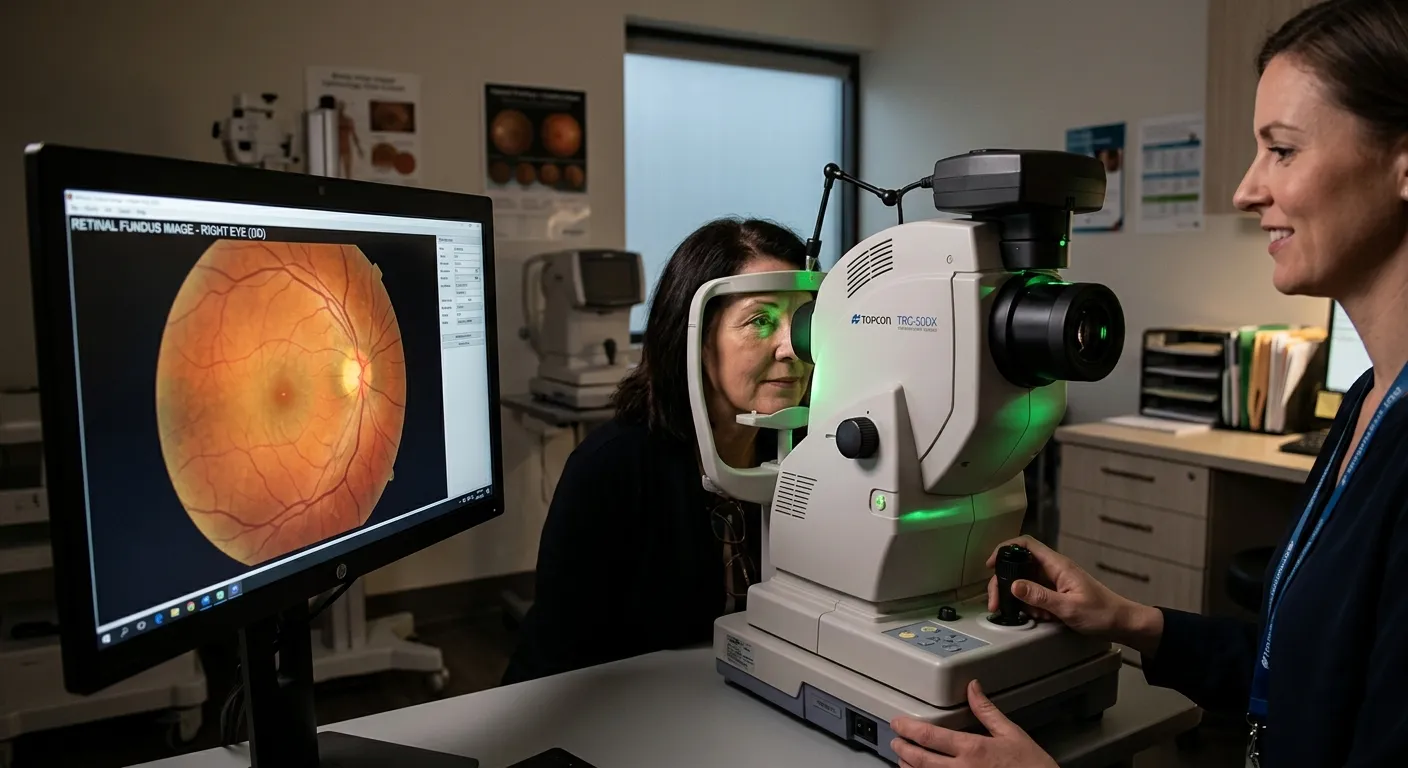
2. Advanced retinal imaging and diagnostic tools
3. Personalized treatment plans
4. Access to specialized procedures like laser therapy, injections, or surgery
5. Ongoing management to slow disease progression
Specialists can identify subtle retinal changes before they significantly impact vision, helping preserve long-term eye health.
Advanced Treatments Offered by Specialists
Modern diabetic retinopathy treatment has improved significantly, and a specialist can recommend the most effective options based on disease severity.
Common treatments may include:
1. Anti-VEGF injections: Reduce abnormal blood vessel growth
2. Laser photocoagulation: Seals leaking blood vessels
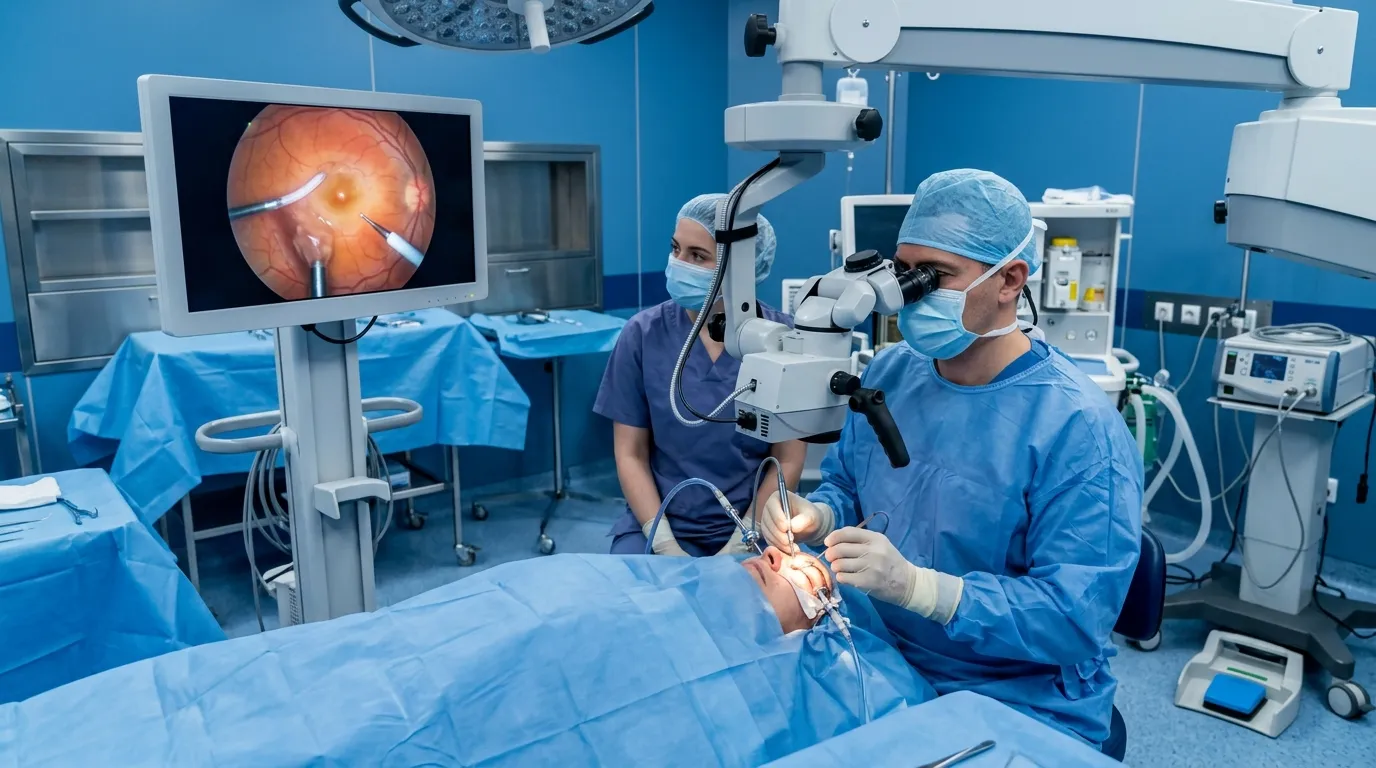
3. Vitrectomy surgery: Removes blood or scar tissue from the eye
4. Routine retinal monitoring: Tracks disease progression
These targeted treatments can reduce vision loss risk and improve outcomes when initiated promptly.
The Importance of Regular Diabetic Eye Exams
Annual comprehensive eye exams are essential for diabetic patients, even if vision seems normal. A diabetic retinopathy specialist can detect changes before symptoms appear.
Regular exams help:
1. Monitor retinal health
2. Prevent severe complications
3. Detect macular edema early
4. Adjust treatments as diabetes changes
Delaying specialized eye care may increase the risk of irreversible blindness.
Protecting Your Vision Through Specialized Care
Managing diabetes requires a comprehensive approach, and eye health should never be overlooked. Working with a diabetic retinopathy specialist provides focused expertise that supports both prevention and treatment.
Patients should prioritize:
1. Blood sugar control
2. Routine eye screenings
3. Blood pressure management
4. Healthy lifestyle habits
5. Prompt specialist consultations for visual changes
Wrapping Up
Diabetic retinopathy is one of the leading causes of blindness among adults, but early intervention can protect vision. Seeking care from a qualified diabetic retinopathy specialist ensures diabetic patients receive expert diagnosis, advanced treatment, and personalized management for long-term eye health. By taking proactive steps today, patients can reduce complications and preserve their eyesight for the future.































Sign in to leave a comment.