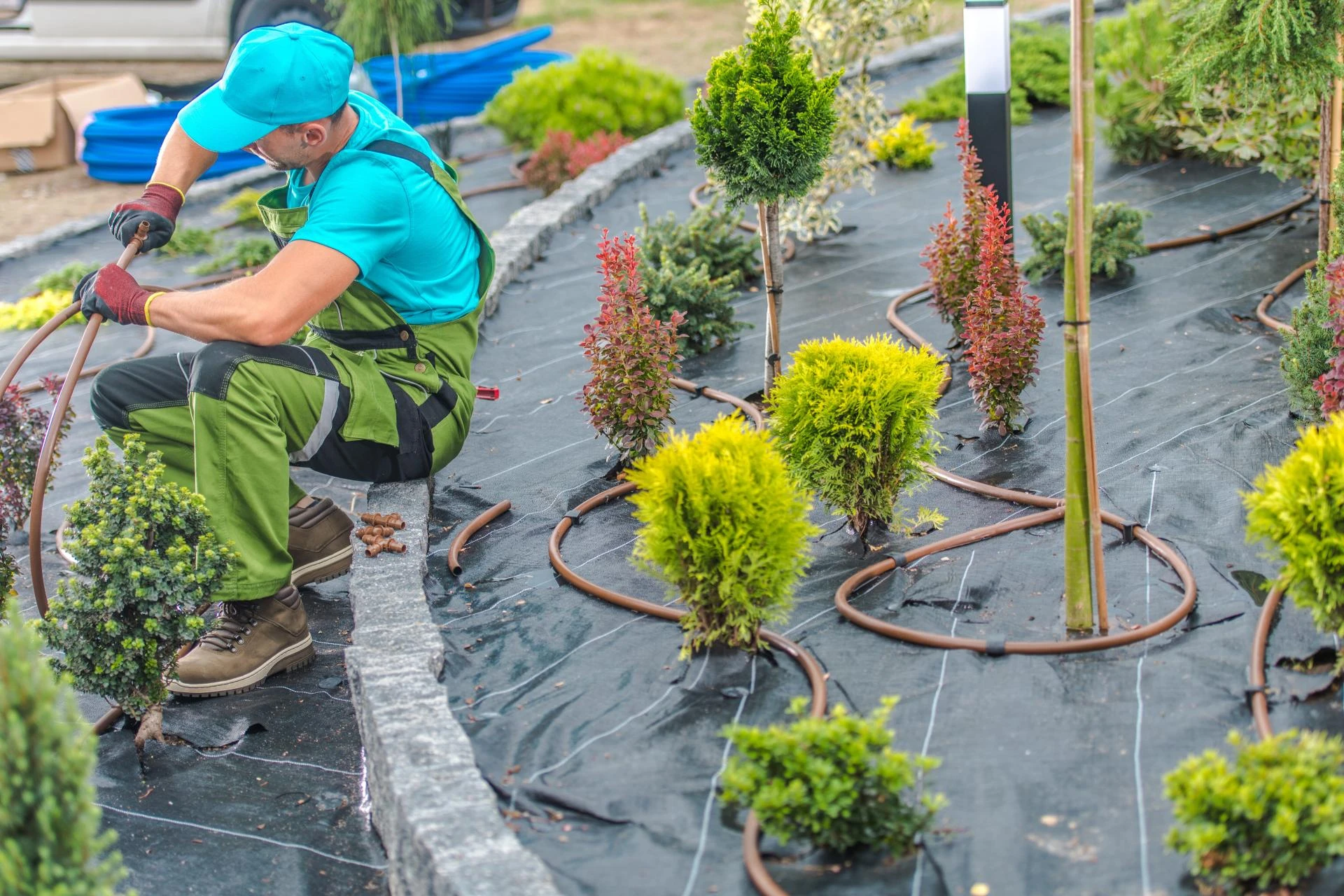

Landscapers recognize that indigenous plants are not simply a passing fad—they are crucial for developing a durable and self-sustaining outdoor space. A homeowner once faced difficulty maintaining imported flora, continuously watering and fertilizing without success. Upon transitioning to a yard filled with locally adapted plant species, maintenance demands significantly declined, and the landscape flourished. Indigenous plants naturally prosper in their regional habitat, necessitating minimal upkeep, which is why landscapers prioritize them for lasting sustainability.
- Indigenous species inherently adjust to regional soil, climate, and rainfall fluctuations.
- They demand less irrigation and fertilization compared to foreign plants.
- Utilizing indigenous plants diminishes the reliance on chemical pesticides, safeguarding native wildlife.
Landscapers Utilize Indigenous Plants for Water Efficiency
Excessive water usage remains a pressing issue, and landscapers emphasize solutions that limit dependence on artificial irrigation. Indigenous plants develop extensive root networks that trap moisture and mitigate soil erosion, positioning them as an optimal choice for water-efficient gardening. According to the Environmental Protection Agency (EPA), landscape irrigation accounts for nearly 30% of household water consumption, with certain regions using even more. Incorporating plants that thrive on natural rainfall considerably reduces unnecessary water waste.
- Deep-rooted indigenous plants enhance groundwater replenishment and reduce surface runoff.
- Drought-resistant varieties eliminate excessive irrigation needs.
- Reduced watering equates to lower utility costs and a healthier ecosystem.
Landscapers Recommend Indigenous Plants for Fertile Soil
Soil vitality plays a pivotal role in plant growth, and indigenous species organically enrich its condition. Unlike foreign flora that depletes essential nutrients and necessitates artificial supplements, local plants cultivate a thriving underground environment. The USDA Natural Resources Conservation Service highlights that rich soil contains billions of beneficial microbes that contribute to plant vigor and resilience. Landscapers understand that indigenous plants sustain this intricate balance while preventing ecosystem disruption.
- Indigenous plants foster microbial diversity that supports soil health.
- Minimal dependence on synthetic fertilizers preserves nutrient-rich soil.
- Robust root systems deter soil compaction and enhance natural aeration.
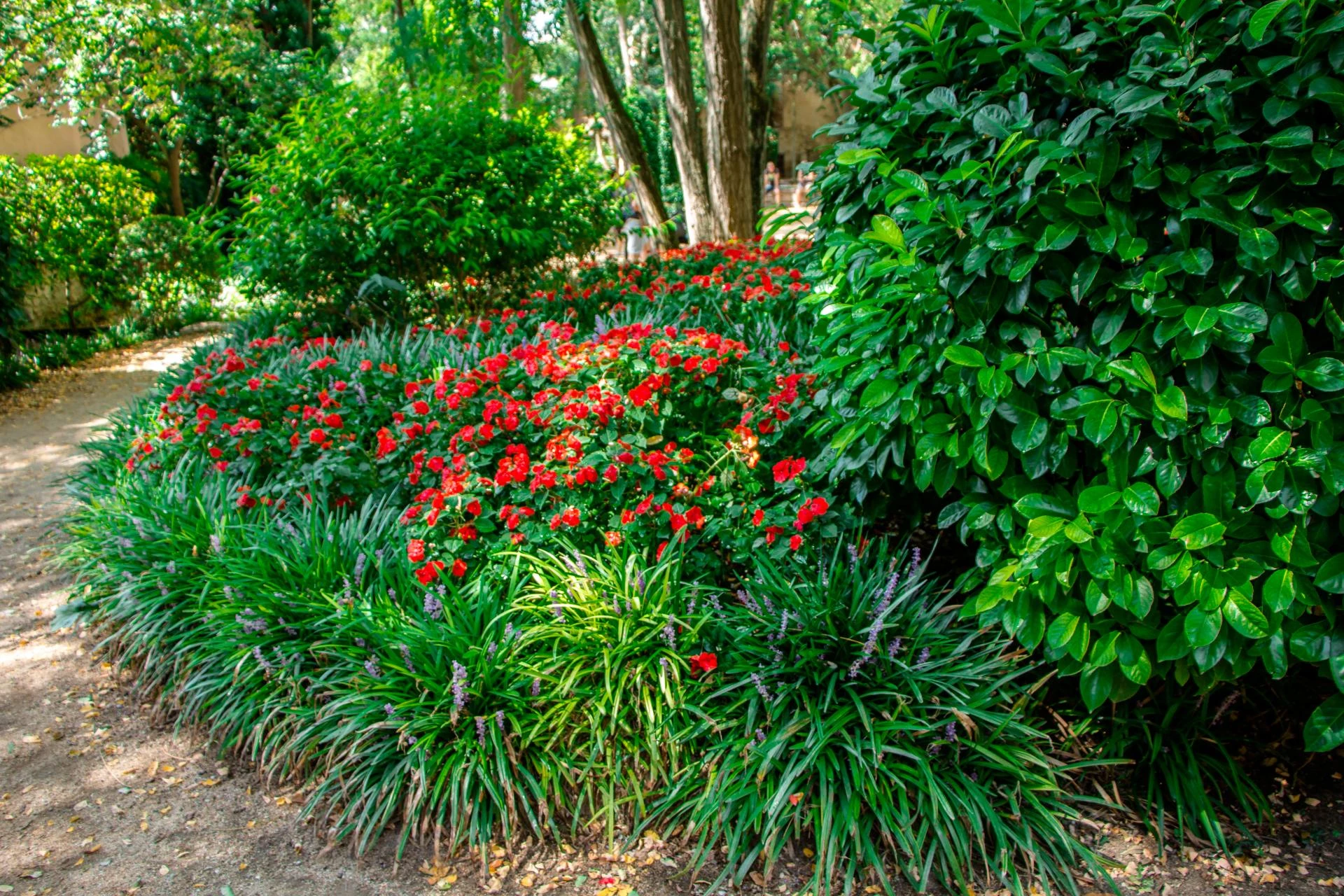
How Landscapers Strategically Plan Gardens with Indigenous Plants
Effective landscaping demands strategic foresight when incorporating indigenous plants. Every geographic location hosts a distinct variety of flora, and experts meticulously select species based on sunlight exposure, soil properties, and drainage needs. A thoughtfully designed landscape featuring local plants is more than aesthetically appealing—it nurtures surrounding ecosystems and significantly lowers upkeep. The National Wildlife Federation advises homeowners to integrate indigenous species to revitalize habitats impacted by urbanization.
- Purposeful plant placement guarantees seasonal visual diversity.
- Indigenous plant clusters establish natural barriers and lessen lawn upkeep.
- Landscapers implement layering methods to replicate natural habitats.
Landscapers Use Indigenous Plants to Support Pollinators
Pollinators play an essential role in plant reproduction, and indigenous flora provides the most nourishing food sources for local bees, butterflies, and hummingbirds. A garden abundant in regional flowers boosts biodiversity while increasing fruit and flower production. The U.S. Fish and Wildlife Service reports that habitat destruction has contributed to a sharp decline in pollinator populations, making native gardens an essential refuge. Landscapers deliberately construct landscapes that encourage pollinator activity, ensuring a stable and thriving environment.
- Indigenous blooms supply nectar and pollen to crucial pollinators.
- Biodiversity enhances plant endurance against pests and diseases.
- Landscapers design habitats that sustain birds, insects, and small wildlife.
Landscapers Avoid Invasive Species for Environmental Balance
Foreign plants often outgrow and overpower local vegetation, causing ecological imbalances. Some non-native species spread aggressively, overtaking indigenous plant life and disrupting local food chains. The USDA warns that invasive plants contribute to habitat degradation and escalate wildfire risks. Landscapers consciously avoid species notorious for unchecked growth, instead prioritizing plants that coexist harmoniously with the local environment.
- Invasive plants leach soil nutrients and destabilize ecosystems.
- Controlling invasive species demands extensive management efforts, increasing maintenance costs.
- Selecting indigenous plants prevents unintended ecological disturbances.
The Enduring Value of Indigenous Plants in Landscaping
Eco-conscious gardening extends beyond aesthetics—it contributes to lasting environmental well-being. Indigenous plants simplify maintenance, decrease water dependence, and nurture wildlife. Expert landscapers have consistently relied on these plants because they cultivate thriving, self-sufficient ecosystems that endure seasonal shifts. Homeowners opting for native landscaping not only enjoy a resilient yard but also actively support broader conservation initiatives.
Key Insights from Expert Landscapers on Indigenous Plants
- Indigenous plants need significantly less water, fertilizers, and maintenance than imported species.
- Landscaping professionals incorporate native plants to enhance soil fertility and attract pollinators.
- Eco-friendly gardens help curb invasive species threats while promoting biodiversity.
- Choosing indigenous plants helps rehabilitate natural habitats in developed areas.
Common Questions About Indigenous Plant Landscaping
Why do expert landscapers emphasize indigenous plants?
Indigenous plants naturally acclimate to their environment, reducing maintenance efforts and resource consumption. This makes them a smart, sustainable choice for residential and commercial landscapes.
Will indigenous plants increase wildlife activity in my garden?
Absolutely. Native species provide essential food and shelter for pollinators, birds, and beneficial insects, fostering a more balanced ecosystem.
Can indigenous plants endure extreme climate conditions?
Many native varieties are remarkably resilient and can survive droughts, heavy storms, and seasonal fluctuations more effectively than imported plants.
How do indigenous plants contribute to soil health?
Their deep roots prevent erosion, enhance natural aeration, and introduce organic nutrients that sustain long-term soil vitality.
Are indigenous plants harder to source than traditional nursery plants?
Many garden centers and nurseries now specialize in regional plant species, and experienced landscapers have extensive knowledge of where to obtain the best selections.
































Sign in to leave a comment.