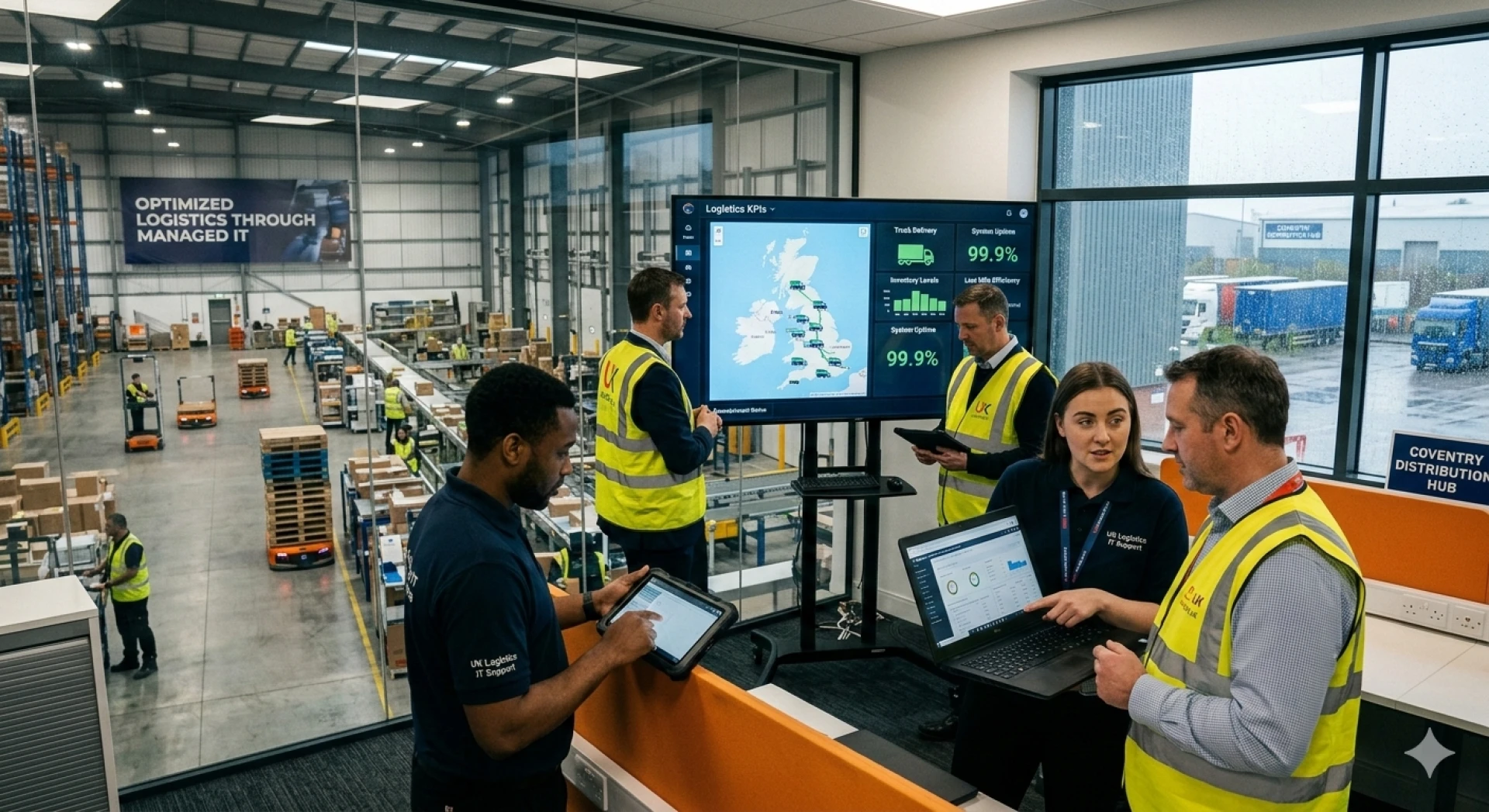
The UK logistics and supply chain sector is facing unprecedented pressure. From navigating post-Brexit regulatory changes and labor shortages to managing the skyrocketing expectations for same-day delivery and real-time visibility, operations managers are stretched thin.
In this environment, technology is no longer just a support function; it is the backbone of fulfillment. Yet, many UK logistics firms are still relying on generic Managed Service Providers (MSPs)—partners who can patch a server or reset a password but have zero understanding of what happens when an EDI transaction fails or a Warehouse Management System (WMS) goes offline at 3 AM.
To thrive, the industry must shift its focus to specialized managed IT services for logistics and supply chain companies in the UK. Here is why general IT support is costing you efficiency, and why a sector-specific partner is the only viable path forward.

The Cost of "Generic" in a Highly Specific Industry
Logistics operates on razor-thin margins and uncompromising timelines. A generic MSP measures performance by server uptime and ticket resolution speed. While important, these metrics don't capture the operational reality of a supply chain.
A general MSP doesn't understand the catastrophic domino effect of:
- A stuck EDI sequence: If your Electronic Data Interchange isn't transmitting, advanced shipping notices (ASNs) aren't received, trucks are delayed at the gate, and inventory visibility vanishes.
- WMS latency: A delay of even a few seconds in your WMS response time can cripple order picking efficiency during peak hours, leading to missed fulfillment windows.
- Legacy system integration failure: Most logistics firms rely on a complex ecosystem of new SaaS applications fighting to talk to decade-old legacy software. A general IT provider often lacks the deep integration expertise needed to maintain harmony.
When your IT partner doesn't speak "logistics," your operations become fragile.
The Strategic Advantage of Specialized Logistics IT
When you partner with an MSP that specializes in managed IT services for logistics and supply chain companies, the conversation shifts from "How do we fix this?" to "How do we optimize this?"
Here are the key advantages of a specialized approach, specifically within the complex UK landscape:
1. Proactive Management of Critical Systems (WMS, TMS, EDI)
A specialist provider doesn't just monitor servers; they monitor processes. They understand the critical applications that drive your business. At ESSPL, our managed services proactively maintain WMS, Transportation Management Systems (TMS), and EDI gateways. We don't wait for the system to crash; we optimize transaction flow to prevent bottlenecks before they impact operations.
2. Accelerating Digital Transformation via Intelligent Automation
The future of logistics is automation. However, implementing Robotic Process Automation (RPA) or AI without a deep understanding of your operational workflows is a recipe for expensive failure. Specialized managed services integrate these technologies directly into your current processes—automating repetitive tasks like freight billing reconciliation or shipment tracking—allowing your staff to focus on high-value exceptions.
3. Navigating Post-Brexit UK Compliance
The UK regulatory environment for customs and freight forwarding is now profoundly complex. Your technology stack must facilitate seamless compliance. Specialized IT partners understand these reporting requirements and can ensure that your systems generate, store, and transmit the necessary data flawlessly, reducing the risk of costly audits or border delays.
4. Actionable Business Intelligence (BI), Not Just Data
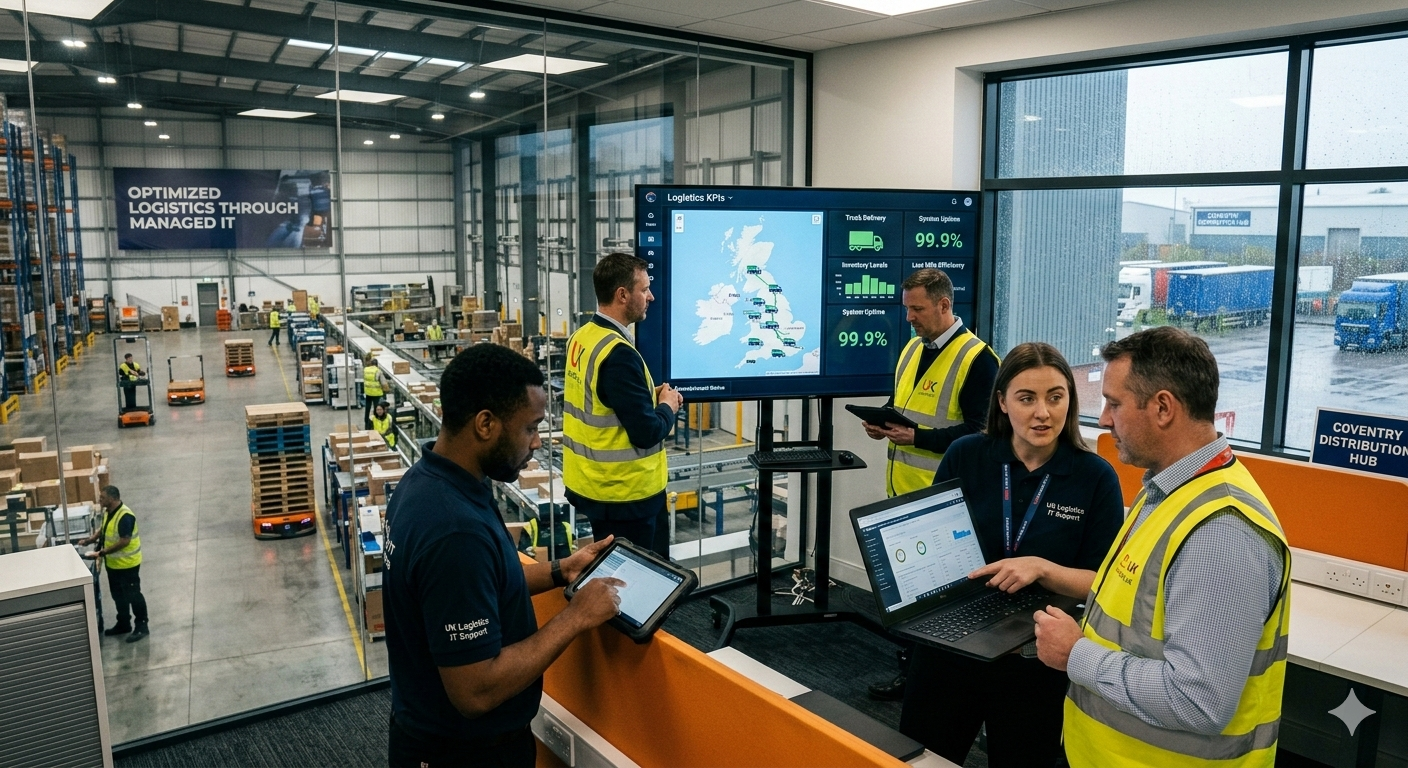
Logistics generates massive amounts of data, but few companies can use it. Specialized managed services include customized BI solutions. Instead of generic usage reports, you receive dashboards highlighting crucial logistics KPIs: carrier performance metrics, inventory turnover rates, fulfillment accuracy by zone, and revenue reconciliation. This isn’t IT reporting; it’s operational intelligence.
Moving from Reactive Fixes to Operational Resilience
The modern supply chain cannot afford a reactive approach to technology. Every minute of downtime, every integrated error, and every manual data entry process chips away at your profitability and customer trust.
Generic IT providers serve a purpose, but they cannot build a resilient supply chain. By choosing managed IT services for logistics and supply chain companies in the UK, you gain a strategic partner that understands your industry’s specific pulse, language, and pressures.
Why Partner with ESSPL?
With over 27 years of dedicated experience in the Supply Chain and Logistics domain, ESSPL is not a generic MSP. We specialize in providing the technical foundation that logistics firms need to scale and innovate. From proactive EDI management and complex system integration to implementing Intelligent Automation, we offer comprehensive, managed solutions designed for your operational reality.
Stop settling for IT support that merely maintains. Demand a partner that optimizes.
Are your IT systems accelerating your growth or bottlenecking your operations? Contact ESSPL today for a specialized consultation on your logistics IT infrastructure.



























Sign in to leave a comment.