
We live in a world where almost everything wants a subscription. Your music app. Your task manager. Even your GPS tracker. It all adds up, and before you know it, you're paying monthly fees for stuff you barely think about.
To think a person has to pay $25 a month just to track their crazy cat is exactly the kind of motivation it takes to start building your own tracking system instead.
Subscription Creep Is Real
It starts small. You subscribe to one app, then another. Suddenly, you're spending more on digital tools than you are on real-world tools. GPS trackers are one of the sneakiest culprits. They sell you the hardware, but then hit you with recurring charges just to see where your stuff is.
The Arduino Route Was Cheaper and More Fun
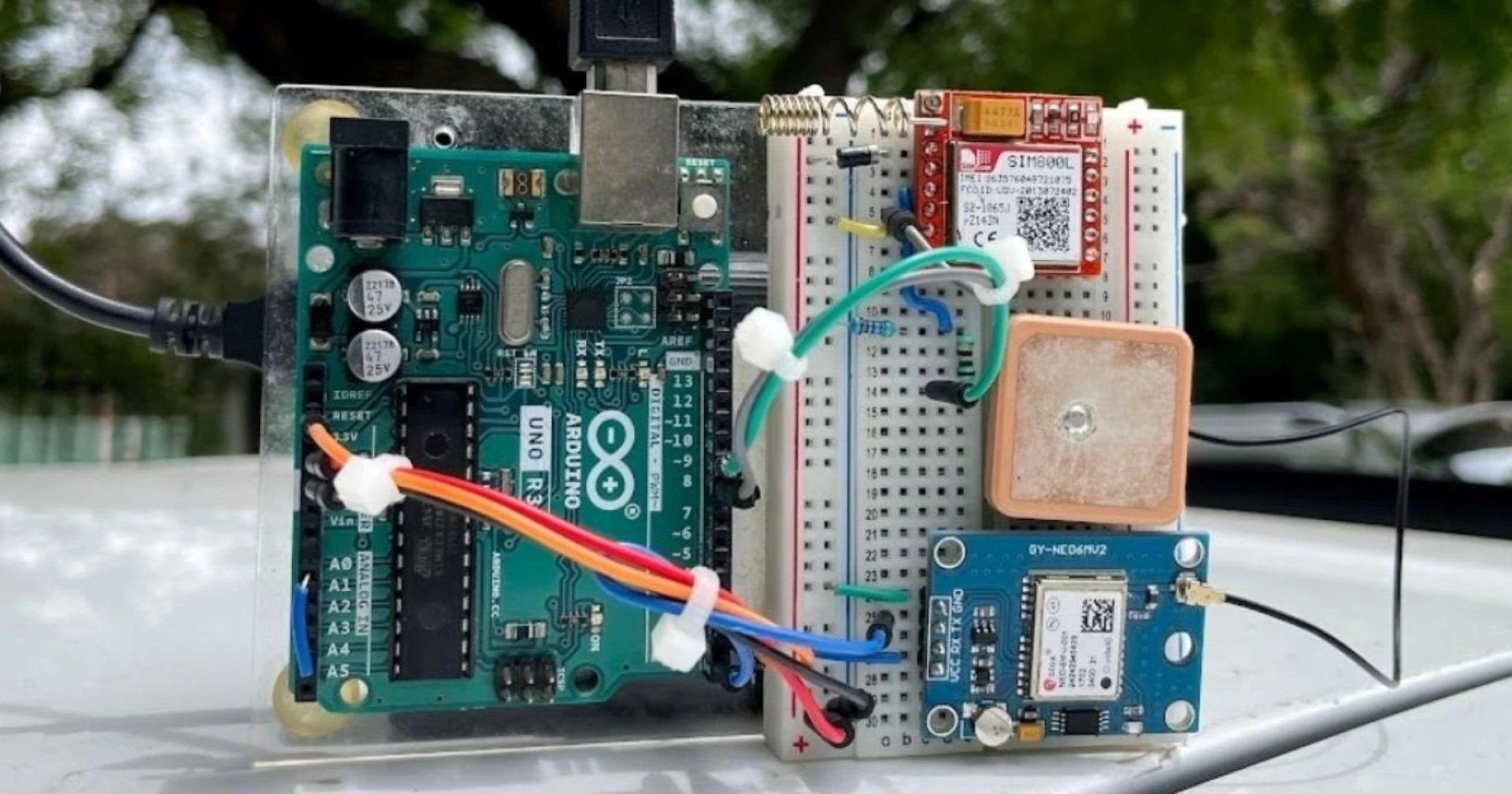
If you’ve got an Arduino Uno lying around and you like tinkering, this is the kind of project you’ll enjoy. I paired an Arduino with a SIM800L GSM module and a NEO-6M GPS module. The Arduino grabs your GPS location, and the SIM800L sends it over the cellular network.
To make this work smoothly, we also built a simple web-based GPS dashboard called GeoLinker, which lets you track your device on a live map without needing to write any backend code or deal with APIs yourself. It’s free to use, and it was designed specifically to help makers and students test GPS projects without jumping through hoops.
Here’s the Project I Built
If you’re interested in doing this yourself, I’ve written a full guide with circuit diagrams, code, and troubleshooting steps. Everything you need to get it running is here: DIY Arduino GPS Tracker
You can use it for tracking a car, a bike, a pet, or even just testing things out as a learning project. It works with a basic 2G SIM card and a power bank, and costs around 25 to 30 dollars total. Much cheaper than any commercial tracker over time.
Why DIY Just Makes Sense
When you build your own hardware, you’re not just saving money. You also get total control over how it works. Want to change the update frequency? Go for it. Want to use it offline? Easy. Want to integrate it into a bigger system later? No problem.
It’s also a great way to learn. You’ll understand how GPS data works, how to send data over GSM networks, and how to process all that on the cloud.
Final Thoughts
I’m not against commercial trackers. Some of them are sleek and polished. But if you're a maker, student, or just someone who’s tired of monthly charges, building your own solution is totally worth it.
You’ll walk away with something functional, educational, and honestly kind of cool. Plus, it feels pretty satisfying to say you built your own GPS tracker and it actually works.
So yeah, I’m done paying for things I can make myself. And this little Arduino project was a fun reminder that sometimes, the DIY way is the better way.


























Sign in to leave a comment.