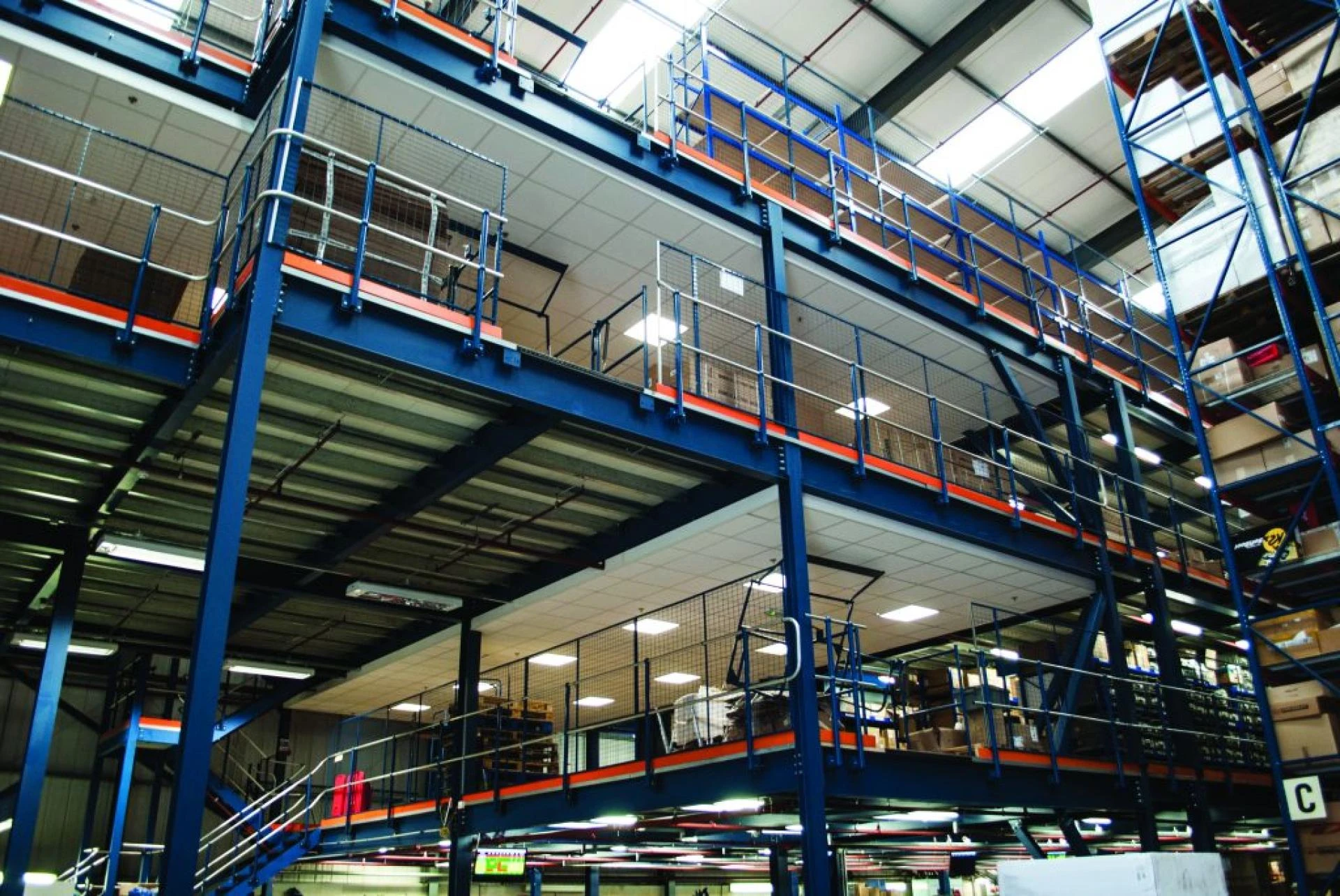

Modern warehouses and industrial facilities often face the challenge of limited space combined with growing operational demands. Expanding a building is not always practical due to high costs and time constraints. This is where industrial mezzanine floors offer a highly effective solution. By creating additional levels within an existing structure, they allow businesses to maximise vertical space without altering the building footprint. This smart investment not only increases usable space but also enhances efficiency and productivity. The following sections explore why mezzanine floors are considered a valuable addition to industrial environments.
Understanding Industrial Mezzanine Floors
What Are Industrial Mezzanine Floors
Industrial mezzanine floors are intermediate levels constructed within a warehouse or factory to create additional usable space. These structures are typically installed between the floor and ceiling, effectively doubling or even tripling the available working area. They are made using durable materials such as steel to support heavy loads and industrial operations. The design can be customised to suit specific business requirements. This flexibility makes them suitable for a wide range of applications. They are widely used in warehouses, manufacturing units, and distribution centres.
How They Work
Mezzanine floors work by utilising unused vertical space within a building. The structure is supported by columns and beams that distribute weight evenly across the floor. Access is provided through staircases, lifts, or conveyors, depending on operational needs. The design ensures stability and safety while supporting various activities. Businesses can use the additional level for storage, office space, or production areas. This efficient use of vertical space helps maximise the overall capacity of the facility.
Key Benefits of Industrial Mezzanine Floors
Maximising Space Without Expansion
One of the biggest advantages of mezzanine floors is their ability to increase space without requiring building expansion. Constructing new facilities can be expensive and time consuming. Mezzanine floors provide a cost effective alternative by making use of existing space. This allows businesses to grow without relocating or investing in new property. The additional space can be used for storage, operations, or administrative functions. This flexibility makes it a practical solution for space optimisation.
Cost Effective Investment
Industrial mezzanine floors are significantly more affordable than traditional construction projects. The installation process is quicker and requires fewer resources. Businesses can achieve substantial space expansion at a fraction of the cost. The return on investment is high due to increased efficiency and productivity. Lower construction costs also reduce financial strain on businesses. This makes mezzanine floors an attractive option for companies looking to optimise their budgets.
Improved Operational Efficiency
Adding a mezzanine floor helps in organising warehouse operations more effectively. Different levels can be designated for specific tasks such as storage, packing, or office work. This separation improves workflow and reduces congestion on the main floor. Employees can move more efficiently within a structured environment. Better organisation leads to faster processing of goods. This ultimately enhances overall productivity and operational performance.
Versatility and Customisation
Flexible Design Options
One of the standout features of mezzanine floors is their flexibility in design. They can be customised to fit the layout and specific requirements of a facility. Businesses can choose the size, shape, and load capacity based on their needs. The design can also include additional features such as railings, lighting, and access points. This adaptability ensures that the structure integrates seamlessly with existing operations. It also allows for future modifications if requirements change.
Multiple Applications
Industrial mezzanine floors can be used for a variety of purposes within a facility. They are commonly used for additional storage space, office areas, or production zones. Some businesses use them to create dedicated packing or sorting areas. The ability to serve multiple functions makes them highly versatile. This flexibility allows businesses to maximise the value of their investment. It also supports better utilisation of available space.
Enhancing Workplace Productivity
Better Space Organisation
A well designed mezzanine floor improves the overall organisation of a warehouse. By creating separate levels, it reduces clutter and makes it easier to manage inventory. Employees can locate items more quickly in an organised environment. This reduces delays and improves workflow. Clear separation of tasks also enhances efficiency. Better organisation leads to smoother operations and increased productivity.
Improved Employee Efficiency
With additional space and better organisation, employees can perform their tasks more efficiently. Reduced congestion on the main floor allows for easier movement. This minimises the time spent navigating crowded areas. Workers can focus on their tasks without unnecessary interruptions. Improved working conditions also contribute to higher job satisfaction. This ultimately leads to better performance and productivity.
Safety and Compliance
Safe Working Environment
Safety is a key consideration in any industrial setting. Mezzanine floors are designed with safety features such as guardrails, anti slip surfaces, and proper load distribution. These features help prevent accidents and ensure a secure working environment. Proper installation and maintenance are essential for maintaining safety standards. Employees should be trained to use the structure safely. A safe workplace enhances confidence and productivity.
Compliance with Regulations
Industrial mezzanine floors must comply with building and safety regulations. Proper design ensures that the structure meets all necessary standards. This includes load capacity, fire safety, and accessibility requirements. Compliance helps businesses avoid legal issues and penalties. It also ensures that the structure is safe for daily operations. Meeting regulatory standards is essential for long term success.
Long Term Value and Sustainability
Durable and Long Lasting
Mezzanine floors are built using strong materials that ensure durability and longevity. They are designed to withstand heavy loads and continuous use. With proper maintenance, they can last for many years without significant wear. This makes them a reliable long term investment. Businesses can benefit from consistent performance over time. The durability of the structure adds to its overall value.
Sustainable Space Solution
By making use of existing space, mezzanine floors contribute to sustainable business practices. They reduce the need for new construction, which minimises environmental impact. Efficient use of space also leads to lower energy consumption. This supports environmentally friendly operations. Businesses can improve their sustainability efforts while enhancing efficiency. This makes mezzanine floors a smart and responsible investment.
Planning and Implementation
Designing the Right Structure
Effective planning is essential for successful mezzanine floor installation. Factors such as load requirements, available space, and intended use must be considered. A well designed structure ensures maximum efficiency and safety. Proper layout planning improves workflow and accessibility. Businesses should assess their needs before installation. This helps in achieving the best possible results.
Installation and Maintenance
Professional installation ensures that the mezzanine floor is secure and functional. Regular maintenance is necessary to keep the structure in optimal condition. Inspections should be carried out to identify any issues early. Timely repairs prevent potential problems. Clean and organised spaces also contribute to efficiency. Proper maintenance ensures long term performance and safety.
Conclusion
Industrial mezzanine floors are a smart investment for businesses looking to maximise space and improve operational efficiency. They provide a cost effective alternative to building expansion while offering flexibility and versatility. By utilising vertical space, they allow companies to increase capacity without relocating. The benefits of improved organisation, productivity, and cost savings make them highly valuable in industrial environments.
For businesses aiming to enhance their facilities and optimise space utilisation, investing in mezzanine solutions can deliver significant advantages. With expert planning and professional support from Dalvie Systems, companies can ensure efficient design, safe installation, and long term performance of their mezzanine floor systems.
























Sign in to leave a comment.