

Intellectual property is no longer just legal paperwork. It is value. Real value. And now, you can tokenize it.
That shift is changing how you own, trade, and monetize ideas. From patents to music rights, intellectual property tokenization is turning intangible assets into liquid, tradable digital tokens.
This is not a niche trend. It is part of the broader rise of Real World asset tokenization, and it is moving fast.
What Is Intellectual Property Tokenization?
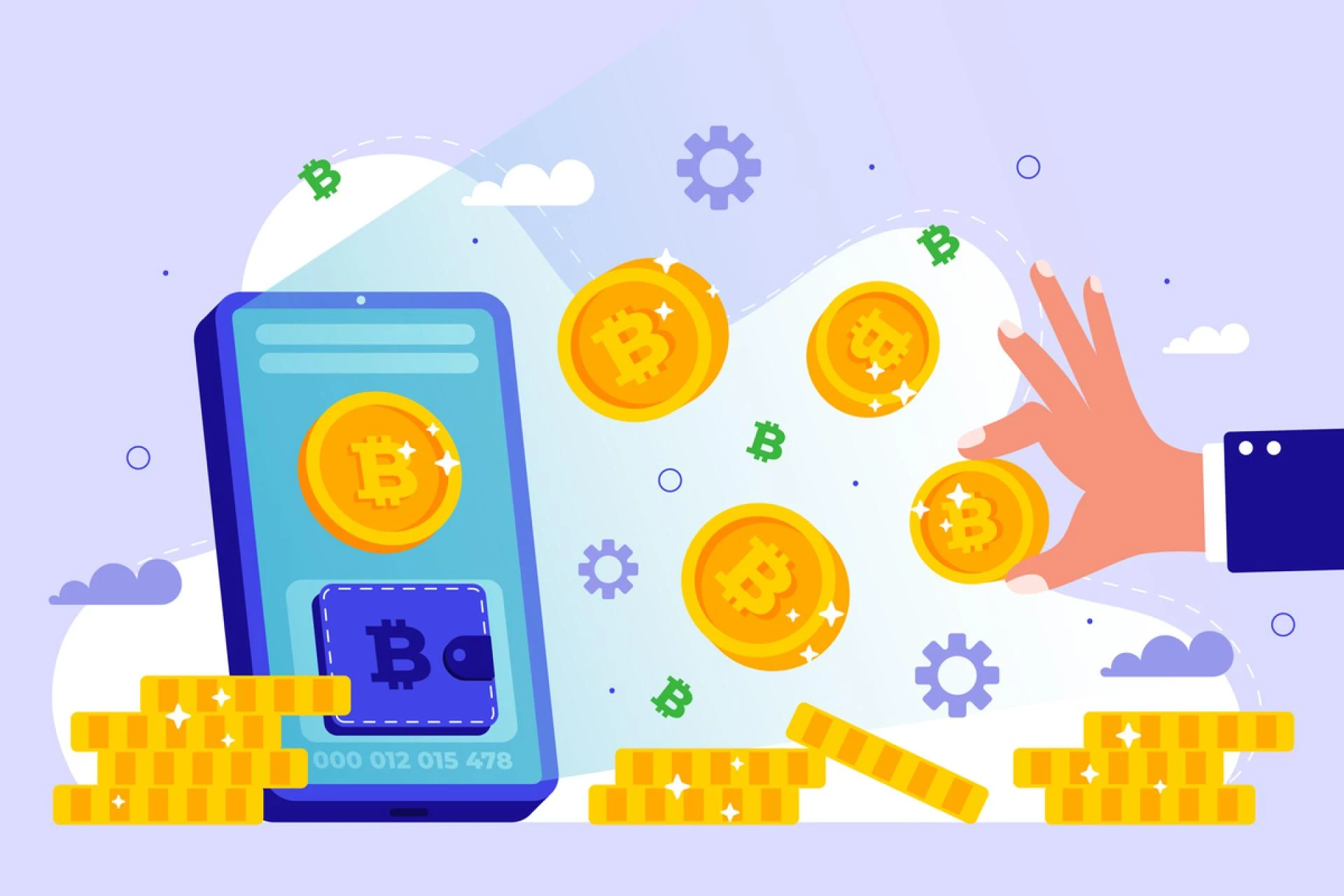
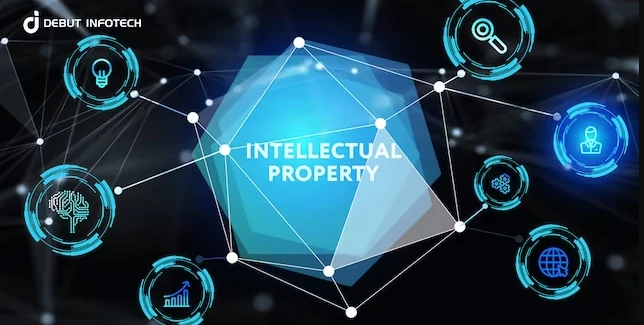
Intellectual property tokenization means converting IP rights into blockchain-based tokens. These tokens represent ownership or a share of ownership.
You can tokenize:
- Patents
- Trademarks
- Copyrights
- Music royalties
- Film rights
- Software licenses
Instead of holding a static asset, you hold a digital token that you can trade, split, or sell.
How It Works
- You verify ownership of the IP
- You assign value to the asset
- You create tokens on a blockchain
- Investors buy fractional ownership
This process connects IP with global investors. It removes friction. It speeds up transactions.
Why Intellectual Property Tokenization Is Gaining Momentum
The growth is not random. It is driven by clear market needs.
1. The IP Market Is Massive
The global intellectual property market is worth over $70 trillion in intangible assets, according to 2025 financial reports. Most of this value remains locked.
Tokenization unlocks it.
You no longer need to sell full rights. You can sell fractions.
2. Liquidity Changes Everything
IP is hard to sell. Deals take months. Buyers are limited.
Tokenization fixes that.
You can:
- Sell partial ownership
- Access global buyers
- Trade assets faster
This improves cash flow. It reduces dependency on large buyers.
3. Creator Economy Is Driving Demand
Creators want control. They want better revenue models.
Intellectual property tokenization gives you:
- Direct monetization
- Transparent royalties
- Shared ownership with fans
In 2026, the creator economy is expected to cross $500 billion. Tokenization fits perfectly into this model.
Key Benefits of Intellectual Property Tokenization
You get more than just liquidity. You get flexibility.
1. Fractional Ownership
You do not need to sell everything. You can split ownership into smaller units.
This opens the door for retail investors.
2. Transparent Royalties
Smart contracts automate payments. You get paid based on usage.
No delays. No disputes.
3. Global Access
You are not limited by geography. Investors from anywhere can participate.
4. Faster Transactions
Traditional IP deals take weeks or months. Tokenized deals happen much faster.
Real Use Cases You Should Know
Intellectual property tokenization is already in action.
1. Music and Entertainment
Artists tokenize song rights. Fans invest and earn a share of royalties.
2. Patents and Innovation
Startups tokenize patents to raise capital without giving up full ownership.
3. Film and Media Rights
Producers fund projects by selling tokenized rights to future earnings.
4. Gaming and Digital Assets
Game developers tokenize in-game IP and licenses.
These examples show one thing. IP is no longer static.
The Role of RWA Tokenization Companies
You do not need to build everything from scratch. This is where RWA tokenization companies step in.
They help you:
- Structure IP assets
- Ensure legal compliance
- Build tokenization platforms
- Manage smart contracts
What to Look For
When choosing a partner, focus on:
- Legal expertise in IP rights
- Blockchain infrastructure
- Security standards
- Experience in asset tokenization
The right partner reduces risk and speeds up execution.
Challenges You Should Not Ignore
Tokenization is powerful, but it is not simple.
1. Legal Complexity
IP laws vary across countries. You must ensure compliance.
2. Valuation Issues
Pricing IP is not easy. It depends on market demand and usage.
3. Regulatory Uncertainty
Rules around tokenized assets are still evolving.
4. Adoption Barriers
Traditional investors may hesitate. Education is still needed.
What Experts Are Saying
“Tokenization will unlock trillions in illiquid assets, and intellectual property is one of the largest untapped categories.”
— Larry Fink, CEO of BlackRock
“Blockchain gives creators control over ownership and royalties in a way we have never seen before.”
— Vitalik Buterin, Co-founder of Ethereum
These views reflect a broader shift. Big players see the opportunity.
The Future of Intellectual Property Tokenization
The trend is clear. IP is moving from static ownership to dynamic markets.
You will see:
- More tokenized patent marketplaces
- Growth in fractional royalty investing
- Integration with DeFi platforms
- Stronger legal frameworks
By 2030, tokenized assets could reach $16 trillion, with IP playing a key role.
This is not a passing trend. It is a structural shift.
Key Takeaways
- Intellectual property tokenization turns IP into tradable digital assets
- It improves liquidity, access, and transparency
- The creator economy is accelerating adoption
- Real World asset tokenization is driving this shift
- RWA tokenization companies help you implement it
- Legal and regulatory clarity is still evolving
FAQs
Q. What is intellectual property tokenization?
It is the process of converting IP rights into blockchain-based tokens that represent ownership or revenue share.
Q. Which IP assets can be tokenized?
You can tokenize patents, copyrights, trademarks, music royalties, and licensing rights.
Q. How do investors earn from tokenized IP?
They earn through royalties, licensing fees, or asset appreciation.
Q. Is intellectual property tokenization legal?
Yes, but it depends on jurisdiction. You must follow local IP and securities laws.
Q. Why is IP considered a good asset for tokenization?
It has high value but low liquidity. Tokenization unlocks that value and makes it tradable.
Q. What role do RWA tokenization companies play?
They handle technical, legal, and operational aspects of tokenizing IP assets.
























Sign in to leave a comment.