
You sit down to finish homework, but a message appears. You check it for a few seconds, notice another notification, and suddenly your attention is somewhere else. Even after putting the phone down, it can take time to get fully focused on the assignment again.
A phone-free study session creates a simple boundary: for a defined period, homework gets your attention and the phone does not. This does not mean giving up your phone for the entire evening. It means temporarily removing an unnecessary distraction so you can concentrate on one task at a time.
Why Phones Can Make Focused Study Harder
Phones are designed to attract attention. Messages, social media updates, videos, games, and notifications can all compete with homework.
The problem is not always how long you spend on the phone. Frequent short checks can also break the flow of studying.
A student may be reading a difficult chapter, stop to answer a message, and then need to find their place and rebuild concentration. When this happens repeatedly, a simple assignment can feel longer and more frustrating than it needs to be.
Common interruptions include:
- Checking a notification as soon as it appears
- Opening social media during a difficult assignment
- Replying to messages while studying
- Switching between homework and entertainment
- Picking up the phone automatically without a specific reason
Reducing these interruptions can make it easier to stay with the task in front of you.
What Does a Phone-Free Study Session Mean?
A phone-free study session is a defined period when a student puts their phone aside and focuses on schoolwork. It is not the same as avoiding technology completely.
For example, a student might work for 30 minutes without a personal phone nearby, take a short break, and then begin another focused block. The exact length can vary depending on the student and the assignment.
The important part is creating a clear distinction between study time and personal phone time. This approach can feel more realistic than trying to avoid a phone for an entire afternoon or evening.
Create Some Physical Distance From the Phone
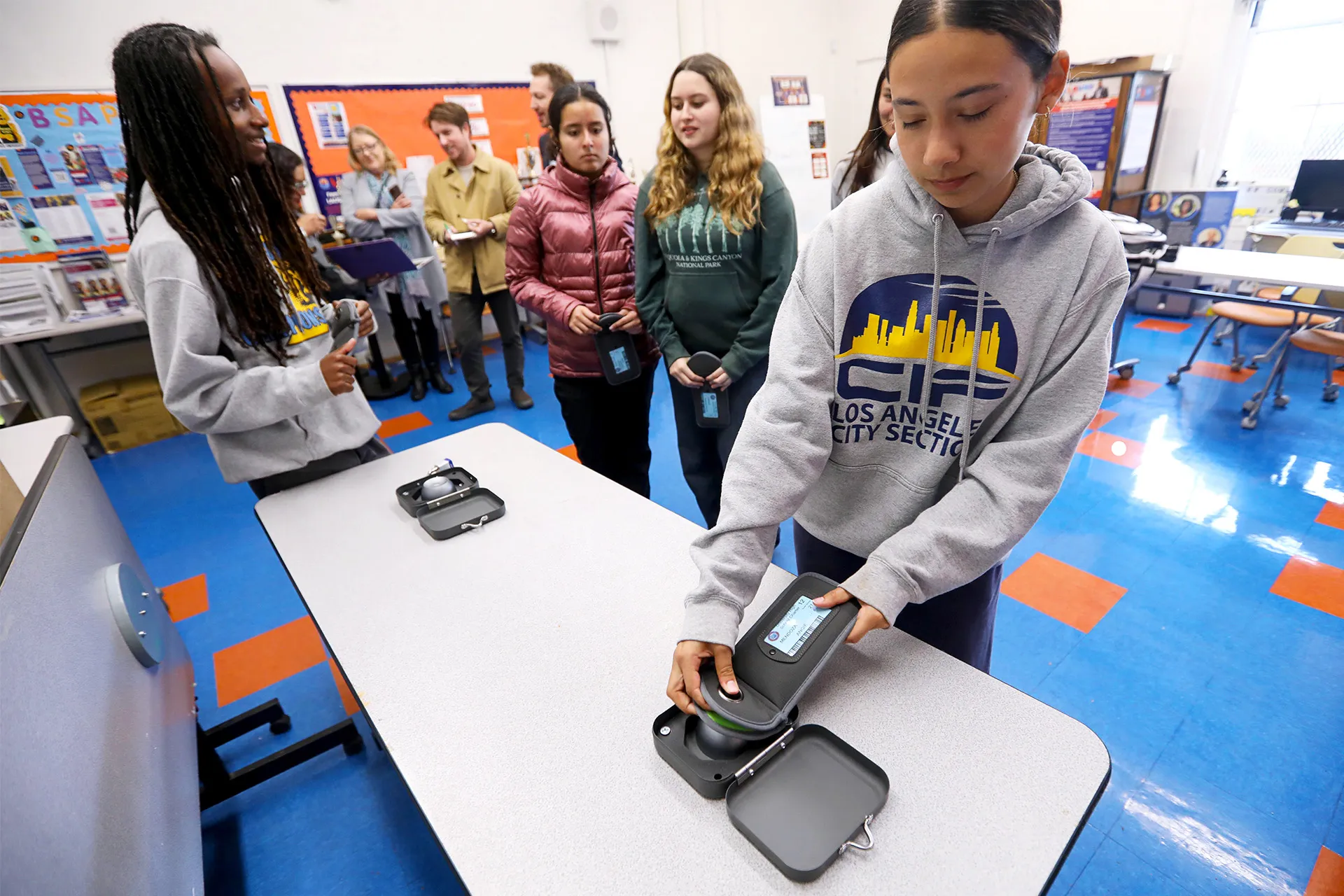
Turning a phone face down may not be enough for everyone. If the device remains beside a textbook or laptop, checking it is still easy. A student may pick it up automatically whenever homework becomes difficult or boring. Creating physical distance adds a small barrier between the urge to check and the action itself.
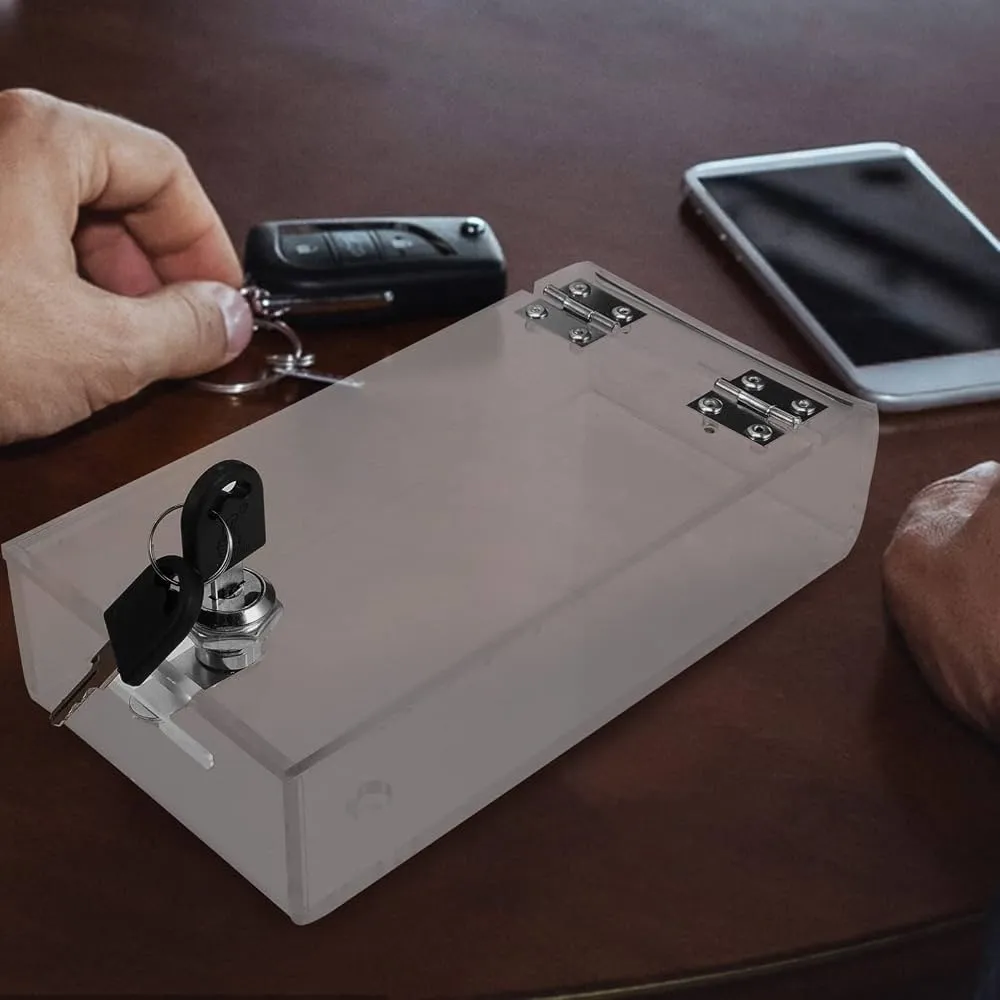
For students who frequently reach for their devices without thinking, using a separate place for phones during study time can help create a clearer boundary between homework and personal screen use. The location does not have to be complicated. What matters is that the phone is not constantly competing for attention from the desk.
Build a Simple Phone-Free Homework Routine
A useful study routine should be easy enough to repeat regularly.
Students can start with this process:
- Choose one task. Decide exactly what you want to complete during the study block.
- Set a realistic work period. Choose an amount of time you can reasonably stay focused.
- Put the phone away. Move it out of immediate reach before starting.
- Work on the selected task. Avoid switching unnecessarily between assignments.
- Take a planned break. Check important messages if needed.
- Start another block. Put the phone away again before returning to work.
This approach replaces random phone checking with planned access. It also gives the study session a clear beginning and end.
Match the Study Block to the Assignment
Not every type of homework requires the same routine. Instead of using one fixed time for everything, students can organize phone-free periods around specific goals.
| Homework Type | Practical Focus Goal |
|---|---|
| Reading | Finish one chapter or assigned section |
| Writing | Complete a paragraph, page, or section |
| Math | Finish a defined set of problems |
| Exam review | Review one topic before taking a break |
| Research | Complete one research task before checking unrelated apps |
Task-based goals can be especially useful when an assignment does not fit neatly into a specific number of minutes. Finishing a clear piece of work also gives students a natural point for taking a break.
What If You Need Your Phone for Homework?
Sometimes the phone itself is a learning tool.
A student may need a calculator, school app, timer, authentication code, research source, or communication from a class group. In these situations, putting the device completely away may not be practical.
Instead, separate necessary academic use from unrelated personal use.
You can:
- Silence unnecessary notifications.
- Close social media and entertainment apps.
- Use only the app required for the assignment.
- Return the phone to its usual study-time location after using it.
- Use another available device for schoolwork when practical.
The purpose of a phone-free routine is not to make homework harder. It is to reduce interruptions that are unrelated to the task.
How Parents Can Support the Routine
Parents can help without turning every study session into a phone-use argument.
Start by creating a predictable environment. Agree on when focused homework periods happen and where the phone goes during those periods. Parents can also help students choose realistic study blocks rather than demanding hours of uninterrupted work.
As students become more consistent, they can take greater responsibility for managing the routine themselves. The long-term goal should be self-management. A student who learns to recognize and remove distractions can use that skill in college, work, and other situations where sustained attention matters.
How to Tell Whether the Routine Is Helping
Do not judge success only by how long the phone stays away. Look at what happens during the study session.
Positive signs may include:
- Fewer unnecessary interruptions
- Longer periods of focused work
- Less time spent restarting tasks
- Assignments being completed more smoothly
- Fewer reminders from parents
- Better awareness of personal distraction habits
These changes show whether the routine is actually helping the student work more effectively.
Adjust the Routine When Necessary
A study method does not have to work perfectly on the first attempt. If a student struggles to stay focused for 45 minutes, try a shorter period. If the phone is still too tempting on the other side of the desk, move it farther away. If breaks regularly turn into long scrolling sessions, make the break more structured.
The routine should support focused work, not become another source of stress.
Experiment with the length of study blocks, break timing, and phone location until the process feels manageable.
Final Thoughts
Improving homework focus does not require avoiding phones for the entire day. A more practical approach is to create short periods when schoolwork receives full attention and personal phone use waits. Start with one assignment, put the phone out of immediate reach, work toward a clear goal, and take a planned break afterward.
Over time, this simple habit can help students become more aware of interruptions and develop a study environment that makes focused work easier.
Frequently Asked Questions
How long should a phone-free study session last?
There is no single ideal length for everyone. Start with a realistic period that allows focused work without becoming difficult to maintain, then adjust it based on the student and assignment.
Should I turn my phone off completely while studying?
Not necessarily. Moving it away and silencing unnecessary notifications may be enough. Turning it off can be useful when stronger separation is needed.
What if I need my phone for homework?
Use it for the required academic task, then put it aside again. The goal is to reduce unrelated interruptions rather than prevent useful technology from supporting schoolwork.
Where should I keep my phone while studying?
Choose a consistent location outside your immediate workspace. The best place is one that reduces automatic checking while still allowing access when genuinely needed.
Can parents use the same approach while working?
Yes. The basic idea can also be applied to focused work: choose a task, reduce unnecessary phone access for a defined period, and check messages during planned breaks.



























Sign in to leave a comment.