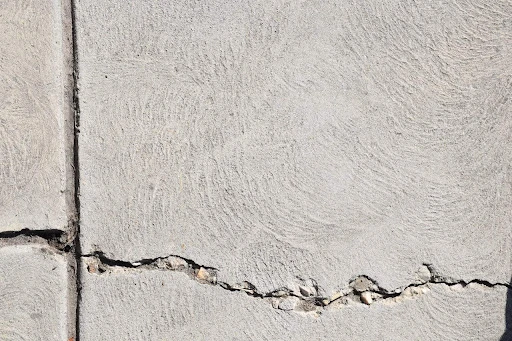
Concrete is one of the most robust and widely used building materials around the world. It's the backbone of many structures, from bridges and highways to residential buildings and skyscrapers. However, like all materials, concrete is not immune to wear and tear. Over time, it can develop cracks and other forms of damage that compromise its integrity. This is where remedial concrete repairs come into play. They are crucial not only for maintaining structural safety but also for extending the lifespan of the structures themselves.
Understanding Concrete Damage
Concrete damage can occur due to various reasons, including environmental factors, poor construction practices, and regular wear and tear. Understanding these causes is essential to addressing the problem effectively.
Environmental Factors
Environmental elements such as moisture, temperature fluctuations, and chemical exposure can significantly impact concrete's durability. For instance, freeze-thaw cycles can cause expansion and contraction in concrete, leading to cracks. Similarly, exposure to chemicals like de-icing salts can lead to corrosion of the reinforcing steel within the concrete, further weakening the structure.
Construction Practices
The quality of construction practices plays a vital role in determining the longevity of concrete structures. Improper curing, inadequate mixing, or poor reinforcement can all lead to premature deterioration. It's essential to adhere to industry standards and guidelines during construction to minimise the risk of damage.
Importance of Remedial Repairs
Remedial repairs are essential for maintaining structural safety and ensuring longevity. Here's why:
Enhancing Structural Safety
Cracks and other damages in concrete can pose significant risks to structural safety. They can weaken the load-bearing capacity of a structure, making it susceptible to further damage or even collapse. By addressing these issues promptly through remedial repairs, you can reinforce the structure and ensure it remains safe for use.
Extending Longevity
Concrete repairs not only restore the structural integrity but also extend the lifespan of the construction. By fixing cracks and preventing further damage, you can avoid costly replacements or extensive repairs in the future. This proactive approach helps in maintaining the value and functionality of the structure over time.
Types of Remedial Repairs
Different types of remedial repairs can be performed depending on the nature and extent of the damage. Understanding these methods can help in choosing the right approach for your specific needs.
Concrete Crack Repairs
Cracks are among the most common issues found in concrete structures. Crack repairs involve sealing the cracks with suitable materials to prevent moisture ingress and further deterioration. Techniques like epoxy injection or polyurethane grouting are often used for this purpose.
Surface Repairs
Surface repairs involve fixing superficial damages like spalling, scaling, or surface delamination. These issues can be addressed using patching materials that restore the original appearance and functionality of the concrete surface.
Structural Repairs
In cases where the damage affects the structural integrity, more extensive repairs are necessary. This may involve replacing damaged sections or reinforcing the structure with additional materials like carbon fiber or steel.
The Process of Remedial Repairs
Remedial repairs follow a systematic process to ensure effectiveness and durability. Here's a typical workflow:
- Assessment and Diagnosis: The first step involves a thorough inspection to identify the type and extent of damage. This helps in determining the appropriate repair method.
- Preparation: The damaged area is cleaned and prepared for repair. This may include removing loose debris, cleaning the surface, and setting up scaffolding or other necessary equipment.
- Repair Execution: The chosen repair method is applied. This could involve injecting materials into cracks, applying patching compounds, or reinforcing with additional materials.
- Finishing and Curing: Once the repair is completed, the area is finished to match the surrounding surface. Proper curing is essential to ensure the repair bonds well with the existing concrete.
- Quality Control and Monitoring: Post-repair, the area is inspected to ensure the repair has been successful. Ongoing monitoring may be necessary to check for any signs of recurring damage.
Benefits of Professional Remedial Repairs
While some minor repairs can be tackled as DIY projects, professional remedial repairs offer several advantages:
- Expertise: Professionals have the experience and knowledge to accurately assess damage and choose the most effective repair methods.
- Quality Materials: They have access to high-quality materials that ensure long-lasting repairs.
- Safety Compliance: Professionals adhere to safety standards and regulations, ensuring that repairs are conducted safely and effectively.
Conclusion
Concrete structures are significant investments that require proper maintenance to ensure safety and longevity. Remedial repairs play a critical role in preserving these structures by addressing damage promptly and effectively. Whether it's through crack repairs, surface refinishing, or structural reinforcement, the goal is to maintain the integrity and functionality of the structure for years to come.
Incorporating regular inspections and timely repairs into your maintenance routine can save you time, money, and potential safety hazards down the line. By understanding the importance of these repairs, you can take proactive steps to protect your investments and ensure their enduring reliability.


























Sign in to leave a comment.