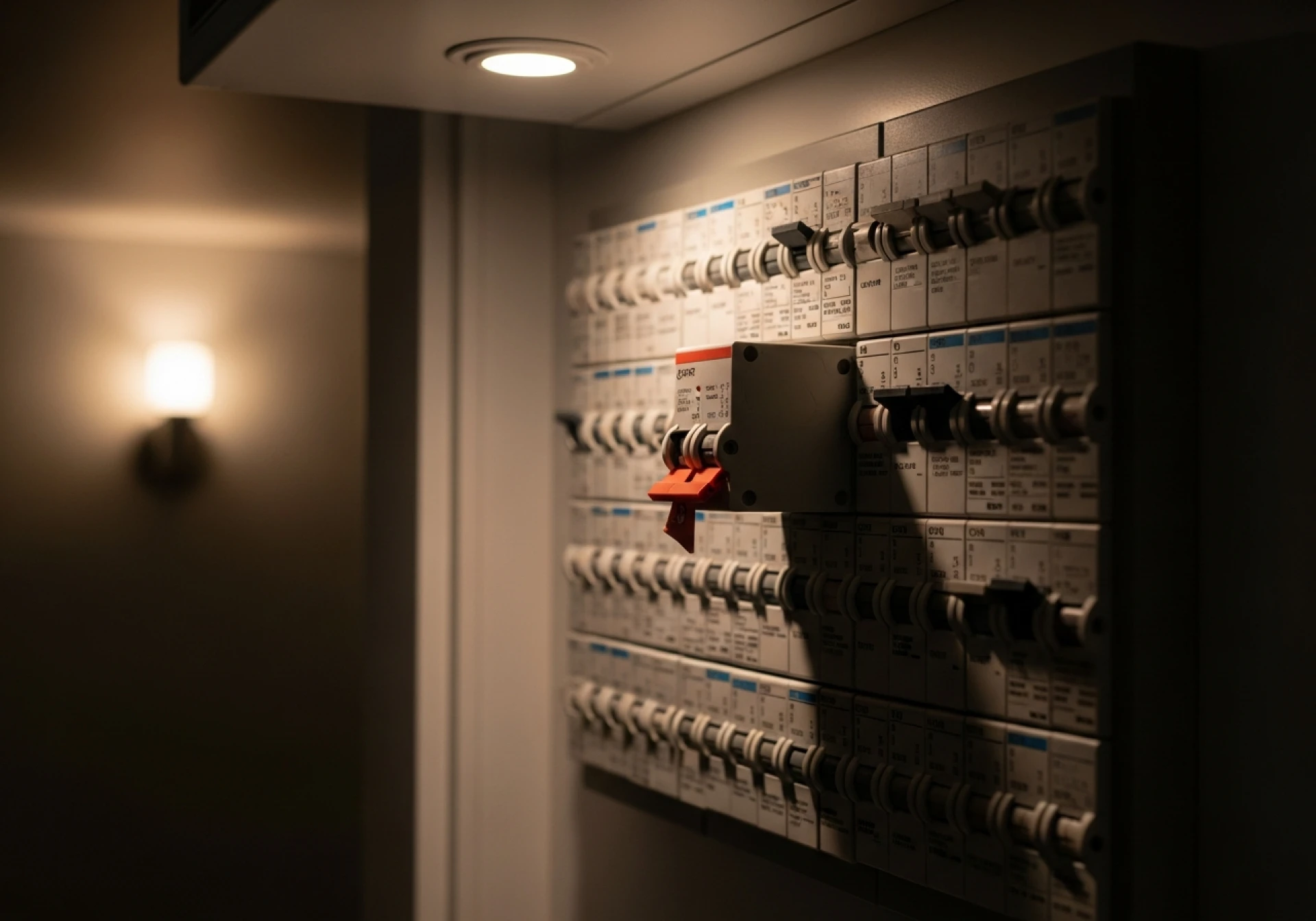

Most homeowners have experienced it at least once — the power suddenly cuts out, the lights go dark, and you’re left walking to the switchboard to reset the breaker. While an occasional trip can happen, power that keeps tripping is not something to ignore. It’s often your home’s electrical system warning you that something isn’t right.
Circuit breakers are safety devices. Their job is to shut off electricity when they detect a fault that could lead to overheating, electric shock, or even fire. When a breaker trips repeatedly, it usually means there’s an underlying issue that needs professional attention.
One common cause is overloaded circuits. Modern homes use far more electrical appliances than older wiring systems were designed to handle. Running heaters, kettles, microwaves, and washing machines on the same circuit can easily push it beyond safe limits. While unplugging an appliance may temporarily stop the tripping, it doesn’t solve the core problem.
Faulty appliances are another frequent culprit. A heater, dishwasher, or power tool with internal damage can draw irregular current and trigger the breaker. This is why patterns matter. If your power trips only when a certain appliance is turned on, that appliance should be checked or stopped from being used until assessed.
Ageing or damaged wiring is a more serious issue, especially in older homes. Over time, insulation around wires can break down, connections can loosen, and moisture can find its way into places it shouldn’t. These faults aren’t visible and can’t be safely diagnosed without proper testing equipment.
Moisture is particularly risky in areas like bathrooms, kitchens, garages, and outdoor power points. Water and electricity don’t mix, and even small amounts of moisture can cause short circuits or corrosion that leads to repeated power interruptions.
What many people don’t realise is that repeatedly resetting a tripping breaker can be dangerous. If the breaker is doing its job and you keep overriding it, you’re increasing the chance of overheating wires behind walls — something that can lead to electrical fires.
There are also warning signs that shouldn’t be ignored. Burning smells, buzzing sounds from the switchboard, flickering lights, warm power points, or mild electric shocks when touching appliances all indicate potential electrical faults. These are situations where professional help should be sought immediately.
Licensed electricians are trained to safely find the exact cause of these problems using proper fault-finding tools. They can test circuits, check appliances, assess wiring condition, and make sure the system meets current safety standards. This not only restores power but also protects your home and the people living in it.
For homeowners in Auckland, businesses like Strike Electrical provide professional fault finding and emergency electrical services, helping identify and fix issues safely rather than relying on guesswork or temporary fixes.
In the end, electricity isn’t something to experiment with. Power trips are a safety signal, not an inconvenience. Addressing them early can prevent bigger repairs, reduce fire risk, and give you peace of mind knowing your home’s electrical system is operating safely.
























Sign in to leave a comment.