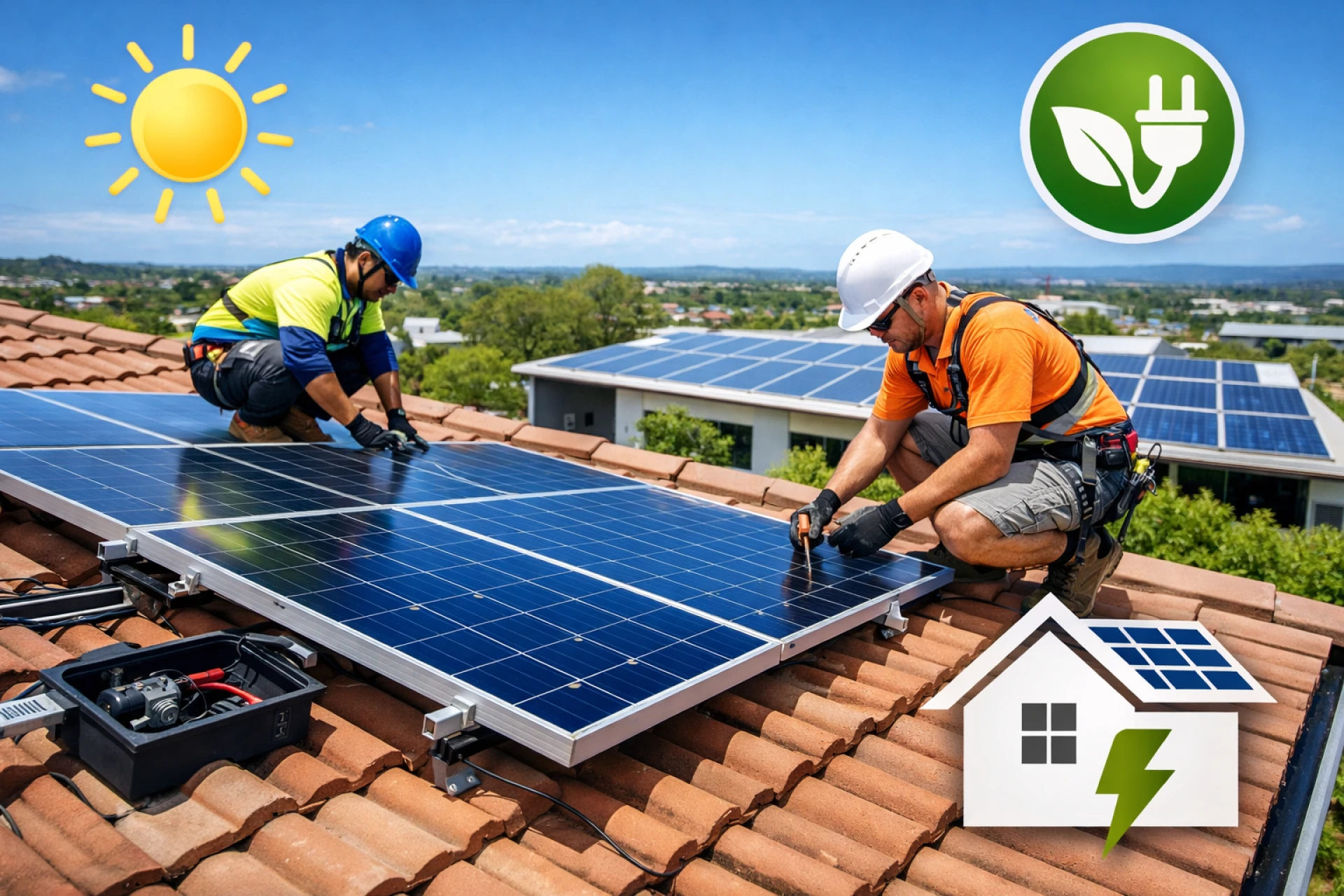

As electricity costs continue to rise and environmental concerns grow, many homeowners are turning toward renewable energy solutions. One of the most popular and effective options today is installing a residential solar panel system. This system allows homeowners to generate their own electricity using sunlight, helping reduce power bills and dependence on traditional energy sources.
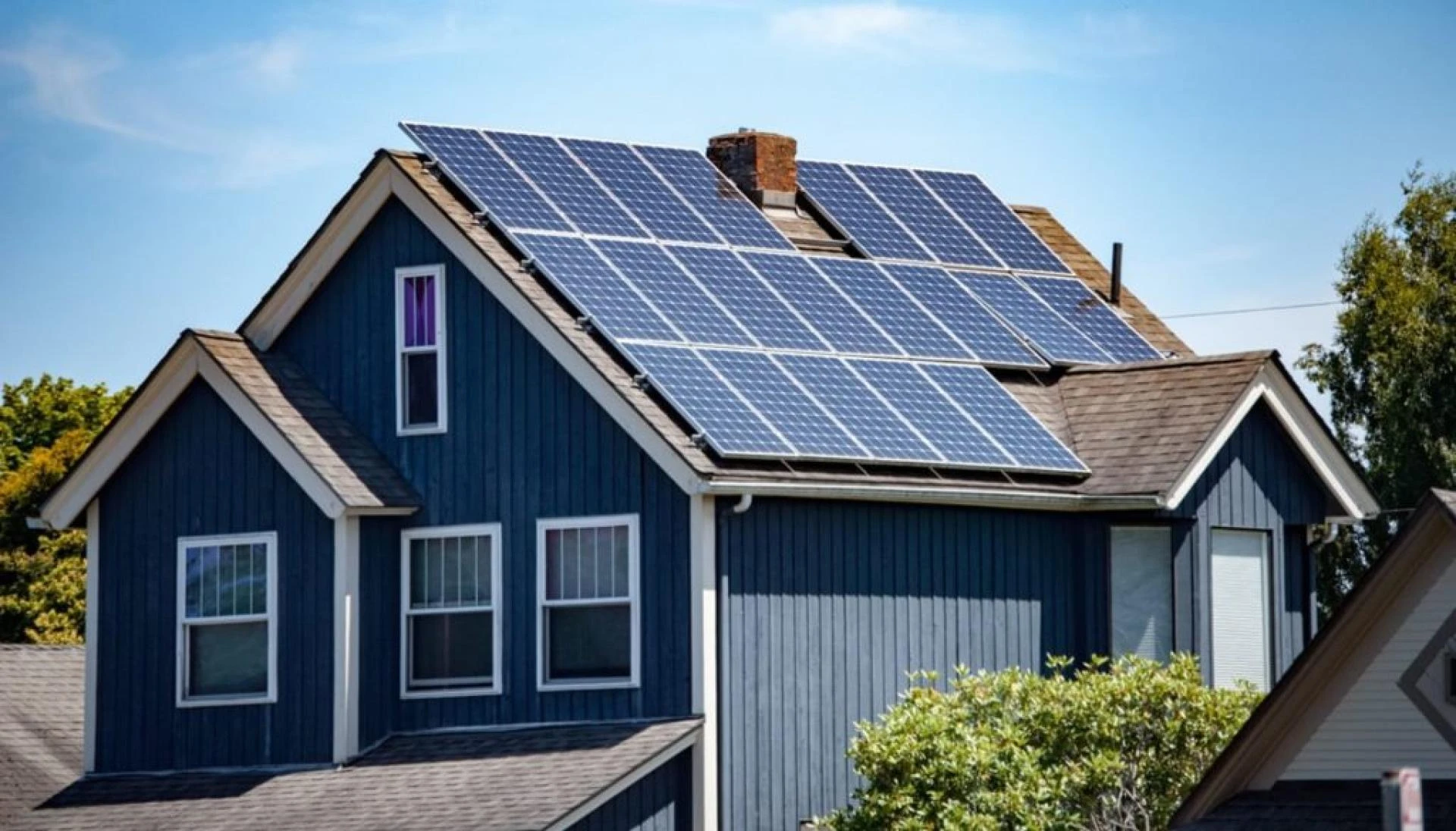
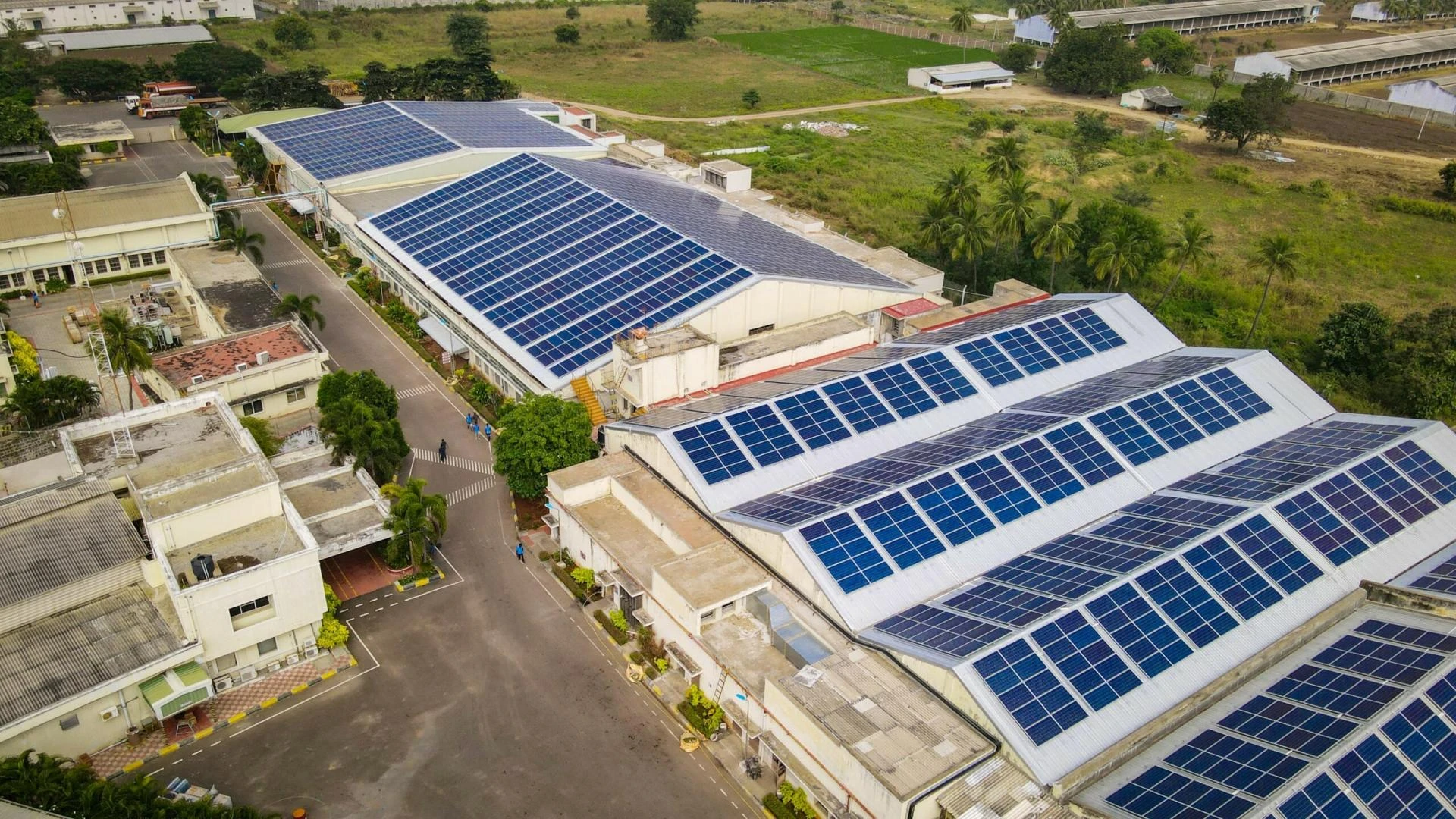
A residential solar panel system is specially designed for homes and small residential buildings. It converts sunlight into usable electricity that can power daily household appliances such as lights, fans, air conditioners, refrigerators, and electronic devices. With advancements in solar technology, these systems have become more efficient, affordable, and accessible than ever before.
What is a Residential Solar Panel System?
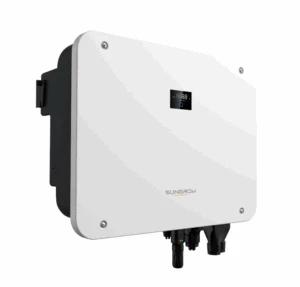
A residential solar panel system typically includes solar panels, an inverter, mounting structures, wiring, and sometimes battery storage. The solar panels capture sunlight and convert it into direct current (DC) electricity. The inverter then converts this DC power into alternating current (AC), which is used by household electrical systems.
Some homeowners also install solar batteries to store excess energy generated during the day. This stored energy can be used at night or during power outages, providing additional energy security and convenience.
Benefits of Residential Solar Panel Systems
1. Lower Electricity Bills
One of the biggest advantages of installing a residential solar panel system is reducing monthly electricity costs. By generating your own power, you can significantly lower your dependence on grid electricity. Over time, the savings can cover the installation cost and provide long-term financial benefits.
2. Eco-Friendly Energy Solution
Solar energy is clean, renewable, and environmentally friendly. A residential solar panel system helps reduce carbon footprint and lowers greenhouse gas emissions, contributing to a healthier environment.
3. Energy Independence
With your own solar power system, you become less dependent on electricity providers. This is especially beneficial in areas where power cuts or voltage fluctuations are common.
4. Increase in Property Value
Homes with installed solar systems are often more attractive to buyers. A residential solar panel system is considered a valuable upgrade that can increase property resale value.
5. Low Maintenance
Solar systems require minimal maintenance. Regular cleaning of panels and occasional inspections help maintain performance for many years. Most solar panels come with warranties of 20–25 years.
Who Should Consider Residential Solar?
A residential solar panel system is ideal for:
- Independent houses
- Villas
- Farmhouses
- Residential apartments (with rooftop access)
- Homes with high daytime electricity usage
Homes with good sunlight exposure get the best performance from solar panel installations.
Things to Consider Before Installation
Before installing a residential solar panel system, homeowners should evaluate roof condition, available sunlight, electricity usage patterns, and budget. It is also important to choose quality equipment and experienced installers to ensure long-term performance and safety.
Future of Residential Solar Energy
Solar energy adoption is growing rapidly worldwide. Improved panel efficiency, smart monitoring systems, and better battery storage options are making residential solar panel systems more reliable and cost-effective. Governments in many regions are also encouraging solar adoption through incentives and subsidies.
Conclusion
A residential solar panel system is a smart investment for homeowners looking to save money, reduce environmental impact, and gain energy independence. As solar technology continues to improve, more households are choosing solar energy as a reliable and sustainable power solution. Investing in solar today means securing a cleaner and more cost-effective energy future for your home.




















Sign in to leave a comment.