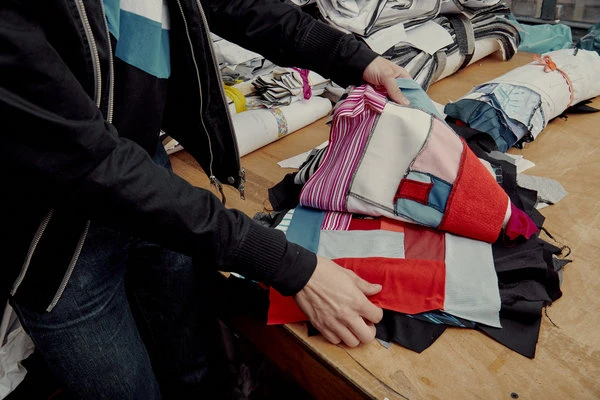

In today’s environmentally-conscious world, the push towards sustainability has often highlighted recycling as a go-to strategy for waste management. However, reusing materials not only offers a more sustainable alternative but also significantly enhances resource conservation. This article explores why reusing can be more beneficial than recycling and provides practical tips on how to reuse everyday items effectively.
Understanding Recycling vs. Reusing
Recycling involves breaking down used materials to create new products. This process requires energy, water, and often, new raw materials to complete the cycle. For example, recycling paper still necessitates the use of water and energy to pulp the paper fibers, which are then reformed into new sheets.
On the other hand, reusing involves extending the life of items in their current form. This method conserves the energy and materials initially used in manufacturing the product and decreases the demand for new resources. By prioritizing reuse, we reduce the environmental footprint associated with production and disposal processes.
Environmental Impact
The primary advantage of reusing is its immediate impact on waste reduction. A simple act of using the same item repeatedly means less trash ends up in landfills where it takes decades to decompose, releasing greenhouse gases like methane and carbon dioxide in the process. These gases are significant contributors to climate change, exacerbating global warming.
Furthermore, reusing items decreases the strain on valuable resources. For instance, reusing a single glass bottle saves enough energy to power a computer for 25 minutes. By extending the lifespan of products, we can curb the excessive exploitation of raw materials needed for manufacturing new goods.
Economic Benefits
Reusing not only conserves resources but also offers significant economic benefits. It can reduce costs for businesses and consumers alike. Businesses can cut down on production and material costs by refurbishing products or sourcing used items instead of new ones. For consumers, purchasing pre-owned goods or repurposing items can drastically cut spending in various areas, from clothing to electronics.
Tips on How to Reuse
Repurpose with Purpose: Before throwing anything away, consider if it has potential for another use. Old jars can be cleaned and used for storage or as planters, and worn-out clothes can become cleaning rags or be repurposed into quilts or other crafts.Buy Smart: Opt for products that are designed for longevity and multiple uses. Reusable water bottles, cloth shopping bags, and high-quality furniture can withstand wear and tear better than their cheaper, disposable counterparts.Share and Swap: Engage in community swap events or use online platforms to exchange items you no longer need. This is particularly useful for children’s items, like clothes and toys, which they quickly outgrow.Fix and Refurbish: Learning basic repair skills can extend the life of many products, such as appliances, furniture, and electronics. There are many online tutorials and local workshops that teach repairs which can save you money and reduce waste.Support Local Thrift Stores: Purchasing from and donating to thrift stores are excellent ways to participate in the reuse culture. It not only helps in keeping items out of the landfill but also supports local businesses and charities.Digital Reuse: Before printing new documents, see if you can use the back of old papers. Store files digitally whenever possible to reduce the need for new paper.Challenges and Moving Forward
While reusing offers numerous benefits, it does face challenges, such as convenience factors and the need for consumer behavior change. Education and awareness are critical in overcoming these hurdles. Local governments, businesses, and individuals must promote the benefits of reuse, both environmentally and economically.
Conclusion
In conclusion, while recycling is beneficial, reusing represents a superior strategy in the hierarchy of waste management due to its direct impact on resource conservation and waste reduction. By adopting and promoting reuse practices, we can make significant strides in our journey towards a more sustainable planet. Incorporating even a few of these tips on how to reuse into daily routines can lead to profound changes in our environmental impact. Let’s think twice before discarding and aim to reuse first it’s a simple mantra that can lead to significant environmental preservation.





















Sign in to leave a comment.