
By the time the last bell rings, most students are already tired. They’ve spent hours learning, socializing, and adjusting to the structure of the day. What comes next—the pickup process—often feels like a simple transition, but it doesn’t always go that way.
At a typical elementary school, dismissal can feel crowded and slightly rushed. Students gather, staff direct movement, and outside, the carline begins to stretch. It’s a short window of time, but it carries a certain level of pressure.
For younger children, even that small shift from classroom to pickup can feel like a lot.
Where Small Discomfort Starts
Children don’t always say when something feels off. Instead, it shows up in small ways—complaints about feeling tired, minor headaches, or just wanting to get home as quickly as possible.
Part of this can be linked to how the car rider process unfolds. Waiting in uncertain conditions, standing in warm weather, or trying to spot a familiar car in a long line can create a kind of low-level stress.
It’s not overwhelming, but it repeats every day. Over time, repetition matters more than intensity.
The Impact of Noise and Movement
The pickup area tends to be one of the busiest spots on campus. Engines running, doors opening and closing, staff calling out names—it all blends into a constant background noise.
For some children, especially younger ones, that environment can feel overstimulating. The carline isn’t just a line of cars; it’s a mix of movement, sound, and timing that doesn’t always feel predictable.
That unpredictability can contribute to fatigue or tension, even if the child doesn’t clearly understand why.
Predictability Changes the Experience
Children generally feel more comfortable when they know what to expect. This applies to classroom routines, and it carries over into dismissal.
A steady car rider routine—where students know where to stand, when they’ll be called, and how pickup works—can reduce that sense of uncertainty. The environment might still be busy, but it feels more manageable.
Even small improvements in structure can make the end of the day feel less rushed and more controlled.
Safety and Emotional Comfort
Physical safety during pickup is always a priority, but emotional comfort matters too. In a crowded dismissal setting, children often rely on familiar patterns to feel secure.
At an elementary school, students may look for the same pickup spot, the same staff member, or the same sequence of events. When those patterns stay consistent, the experience feels safer.
When they don’t, even briefly, children can become unsettled without necessarily explaining it.
How Time in the Line Adds Up
The amount of time a child spends waiting in the carline might not seem significant on a single day. But over weeks and months, it becomes part of their routine.
Standing outside in changing weather, waiting without clear timing, or dealing with crowded spaces can contribute to physical discomfort. In warmer conditions, this might mean fatigue or mild dehydration. In colder weather, it can mean restlessness or irritation.
These aren’t major issues on their own, but they add up quietly.
Subtle Support Through Better Systems
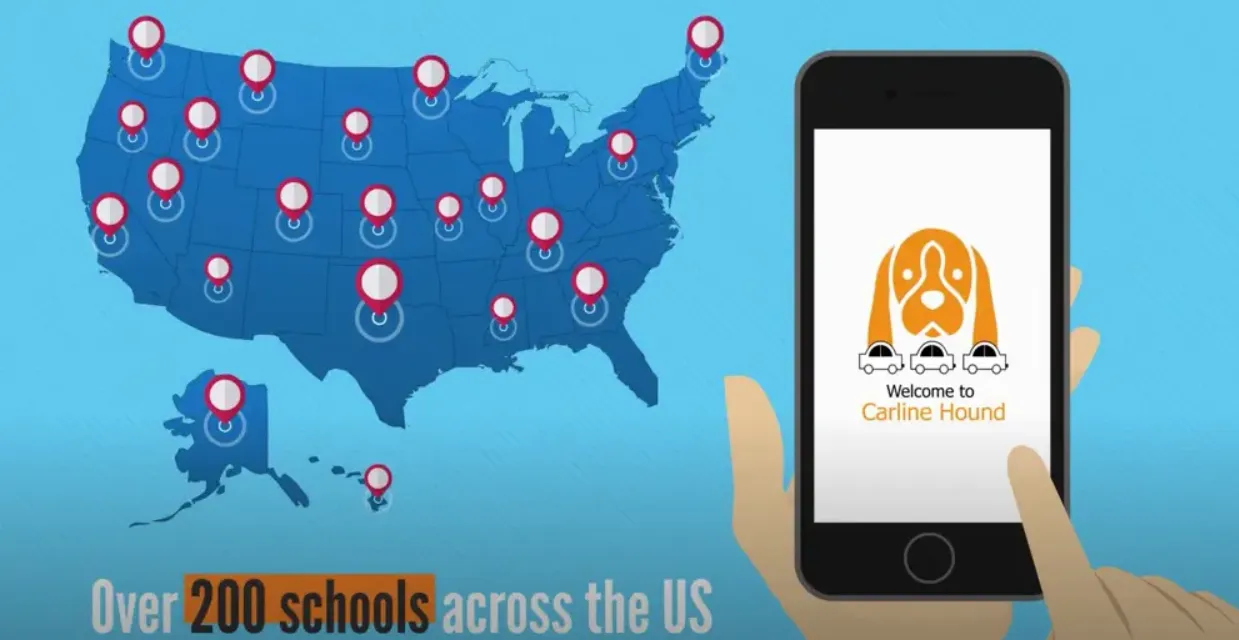
Some schools are starting to introduce tools like a school pick up app to improve coordination during dismissal. These systems help staff prepare students at the right time, reducing unnecessary waiting and confusion.
From a child’s perspective, the difference is subtle. They spend less time waiting without knowing what’s happening. The line moves more steadily. The environment feels slightly calmer.
It’s not a dramatic shift, but it changes the tone of the experience.
The Transition Home
The pickup moment is also the transition from school to home. How that transition feels can influence the rest of the afternoon.
A smoother car rider pro experience often means children get into the car feeling calmer. There’s less buildup of stress, less waiting, and fewer moments of confusion.
Parents might notice it indirectly—quieter car rides, fewer complaints, or just a more relaxed start to the evening.
A Small Part of the Day That Still Matters
Dismissal doesn’t take long, but it happens every day. That repetition gives it more influence than it seems to have at first.
At an elementary school, improving the carline isn’t just about traffic or efficiency. It shapes how children end their day, how they transition home, and how they carry that experience forward.
It’s not something most people think about in terms of health. Still, the connection is there, even if it stays in the background most of the time.



























Sign in to leave a comment.